
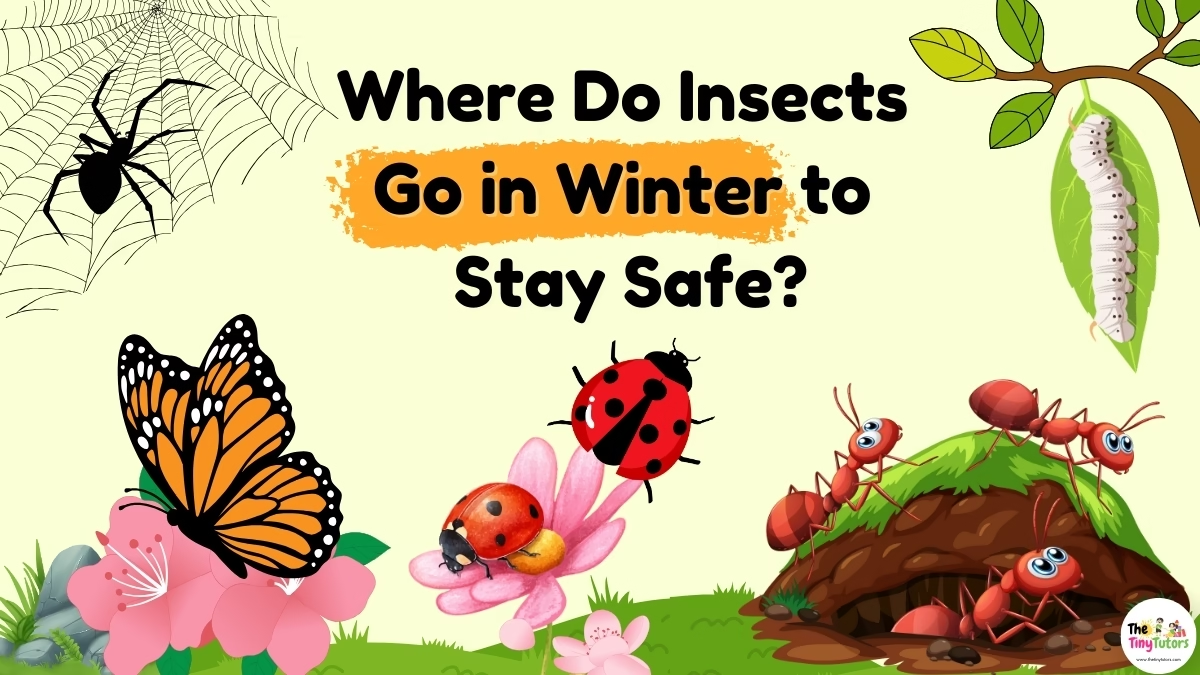
When the cold weather rolls in, you may wonder, “Where do insects go in winter?” It’s a fun question, and the answer is even more exciting!
Insects can’t survive the winter the same way we do, so they’ve developed some pretty cool tricks to stay safe and warm.“insect facts”
Let’s take a closer look at where do insects go in winter and how they manage to stay alive during the cold months.
 What Does “Where Do Insects Go in Winter” Really Mean?
 What Does “Where Do Insects Go in Winter” Really Mean?
When we ask where do insects go in the winter, we’re curious about how insects survive when it gets cold outside.
Just like us, insects can’t stay active when it’s freezing because their tiny bodies aren’t built for the cold.
Insects are cold-blooded, meaning their bodies can’t stay warm without the sun or heat. So, in the winter, they have to find clever ways to stay safe, warm, and even asleep!
Why Can’t Insects Stay Active in Cold?
 Why Can’t Insects Stay Active in Cold?
Insects rely on warmth to move and eat. “how cold affects insect activity” When the temperature drops, their bodies slow down, and they can’t do things like fly or search for food.
They need to find a cozy spot to survive through the cold months.
Learning about nature becomes even more exciting when kids explore different topics together. If your child enjoys discovering amazing facts, you can also check out this fun space guide:
👉 Planet Names for Kids: Fun and Easy Guide to the 8 Planet
Where Do Insects Go in Winter to Stay Safe?
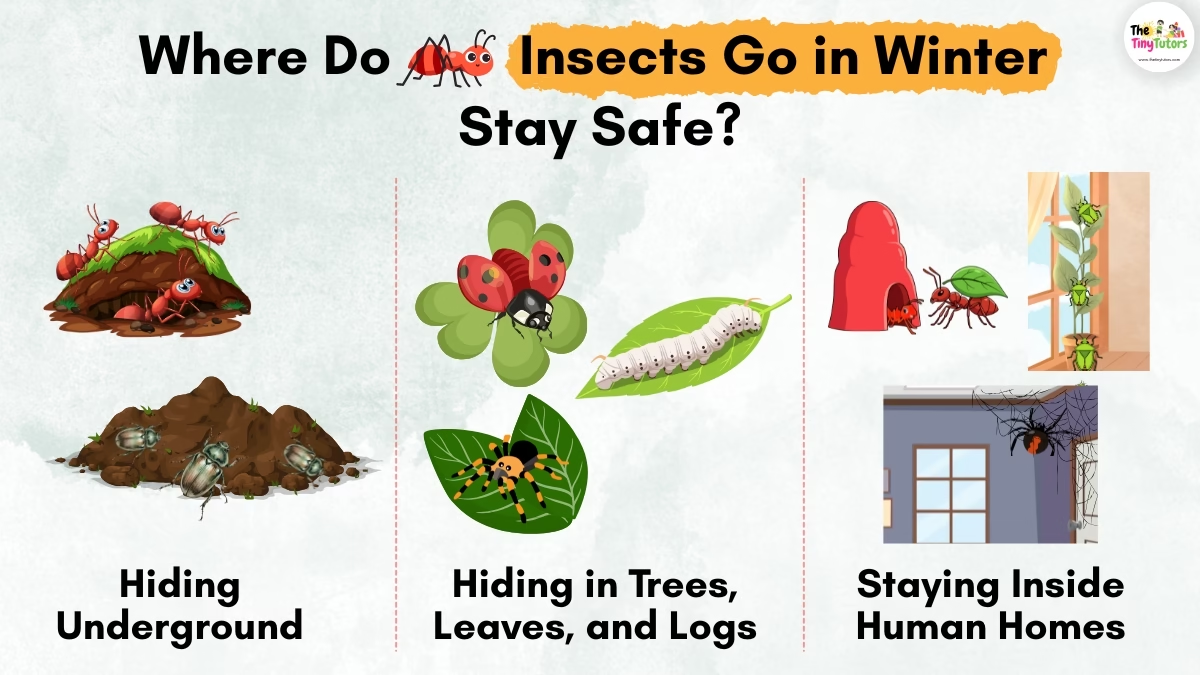
Insects are smart—they know how to keep safe when it gets cold. “how insects survive winter conditions” Here’s where they go:
Hiding Underground
Some insects, like ants, dig deep underground into warm, cozy tunnels. They can sleep through the winter until it’s warm again.
Beetles also like to burrow in the soil, staying out of the cold.
- Ants live deep in the ground and stay active in their tunnels.
- Beetles burrow beneath the soil where it’s warmer.
 Ants live deep in the ground and stay active in their tunnels.
 Hiding in Trees, Leaves, and Logs
Have you ever seen ladybugs hiding under tree bark? That’s one way they stay warm!
Other insects, like caterpillars, roll themselves up in leaves to make little nests. And spiders (remember, spiders are arachnids, not insects!) find shelter under rocks or logs.
- Ladybugs create cozy clusters under tree bark.
- Caterpillars roll up in leaf nests.
- Spiders hide in dark, quiet places like under rocks.
Staying Inside Human Homes
Sometimes, insects come inside homes to escape the cold. They find warm, cozy spots in kitchens, basements, and attics.
Ants and stink bugs are often seen sneaking indoors in winter, and you might spot some tiny spiders around, too.
- Ants and stink bugs love warm indoor spaces.
- Tiny spiders might appear in the corners of rooms.
Cool Ways Insects Survive When It Gets Cold
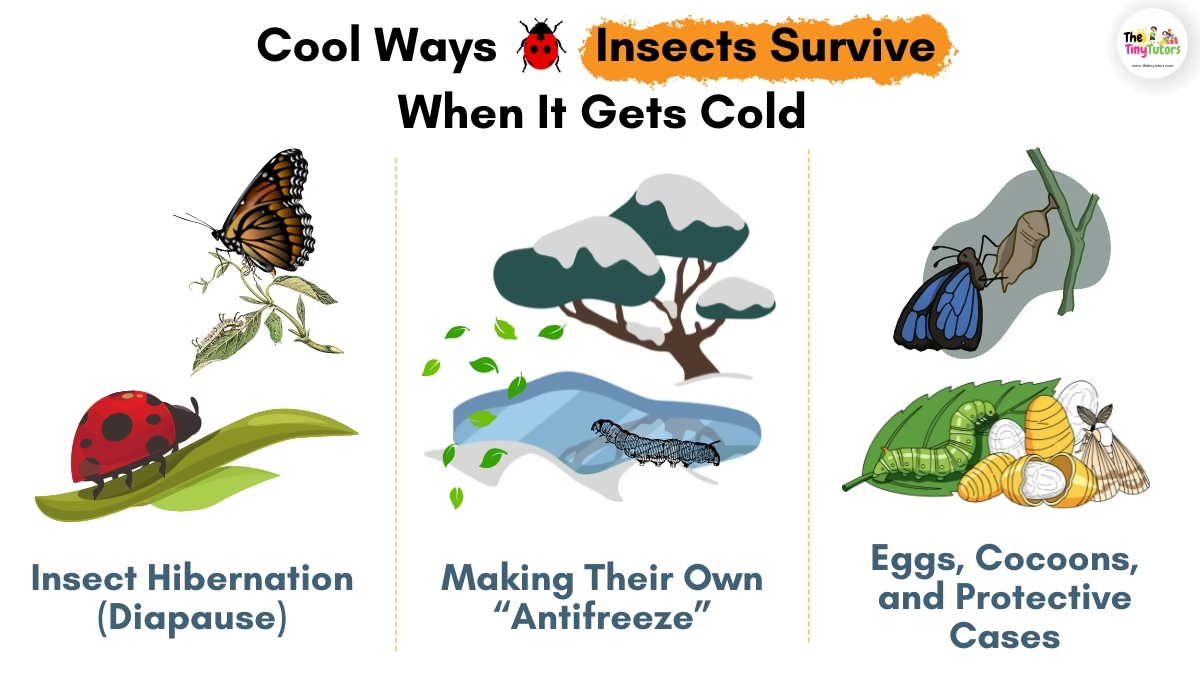
Insects have some fascinating survival tricks to stay alive during winter!
Insect Hibernation (Diapause)
When insects hibernate (or enter diapause), their bodies slow down, “what diapause means” and they take a long rest.
Some insects sleep in a special stage of their life cycle, like butterflies and beetles. Their bodies stop growing or moving, allowing them to survive until spring!
Making Their Own “Antifreeze”
Some insects can even make their own antifreeze to keep from freezing in the cold!
They produce special chemicals that keep their bodies from freezing solid. Think of it like the way your freezer keeps food cold—but insects do the opposite to stay alive!
Eggs, Cocoons, and Protective Cases
While some insects take a nap, others leave behind eggs or create protective cases like cocoons.
This helps their babies stay safe while they wait for the weather to warm up. Moths and butterflies make cocoons that protect them as they sleep through the winter.
Insects That Stay Active in Winter
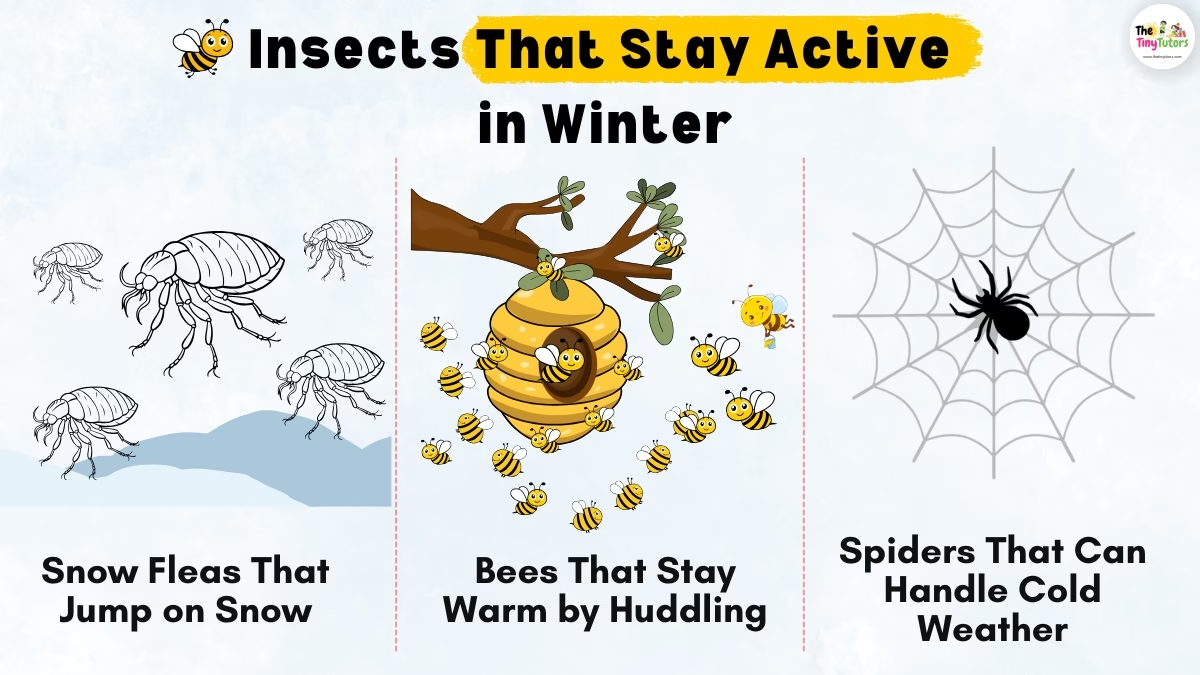
While many insects go into hiding, some are tough enough to stay active even in cold weather!
Snow Fleas That Jump on Snow
Believe it or not, snow fleas are tiny insects that can jump on top of the snow during winter!
They can handle the cold and are often found on the snow’s surface.
Bees That Stay Warm by Huddling
Bees cluster closely inside their hive to keep themselves warm. Bee Culture – how bees stay warm in winter
They create heat by buzzing their wings and keeping the hive cozy, even when it’s freezing outside.
Spiders That Can Handle Cold Weather
Some spiders are well-equipped to survive the winter. They hide in cracks and crevices and can handle much colder temperatures than other insects.
You might still spot a few wandering inside your house!
What Happens After Winter Ends?
When spring arrives, insects “wake up” from their long winter nap! Baby insects start to hatch, and bees and butterflies return to their usual activities.
It’s like a grand insect party in the spring, with lots of buzzing, fluttering, and crawling.
Fun Activities Where do insects go in winter for Kids
Learning about where insects go in winter can be exciting! Here are a few fun ideas to keep kids engaged while exploring winter insects:
Safe Winter Bug Spotting
Take a walk outside on a sunny winter day. See if you can find any insects that are still active, like snow fleas or spiders.
Make sure to respect nature and leave the insects where you found them!
Make a Winter Bug Observation Journal
Create a journal to track insects you find in the winter. Write down what they look like, where you found them, and how they might be surviving.
This is a great way to learn about insects’ winter habits!
Easy Bug Crafts for Winter Learning
Try making some bug crafts like a ladybug out of construction paper or a caterpillar using pom-poms. It’s an enjoyable way to explore insect life while using your creativity!
FAQs About Where Do Insects Go in Winter
 FAQs About Where Do Insects Go in Winter
Q1: Do insects die in winter
A1: No, most insects don’t die in winter. Instead, they find ways to survive by hibernating, hiding, or staying indoors. Some go into a special resting stage until the weather warms up.
Q2: Why don’t we see insects in cold weather
A2: Insects usually can’t stay active when it’s too cold. Their tiny bodies don’t have the energy to survive the freezing temperatures,
so they go into hiding to wait until it’s warm again.
Q3: Where do insects go in winter time
A3: Insects go to places like underground, inside homes, or under tree bark to stay safe from the cold. Some also enter a resting state called diapause.
Q4: How do bees survive freezing temperatures
A4: Bees survive winter by huddling together in their hive. They generate heat by buzzing their wings, and they stay warm until the weather gets warmer in spring.
Conclusion
So, where do insects go in winter? It turns out that insects are really good at surviving the cold!
Whether they hide underground, in trees, or inside your house, they find clever ways to stay safe and warm.
So next time you wonder about what happens to insects in the winter, you’ll know just where they go and how they survive.