
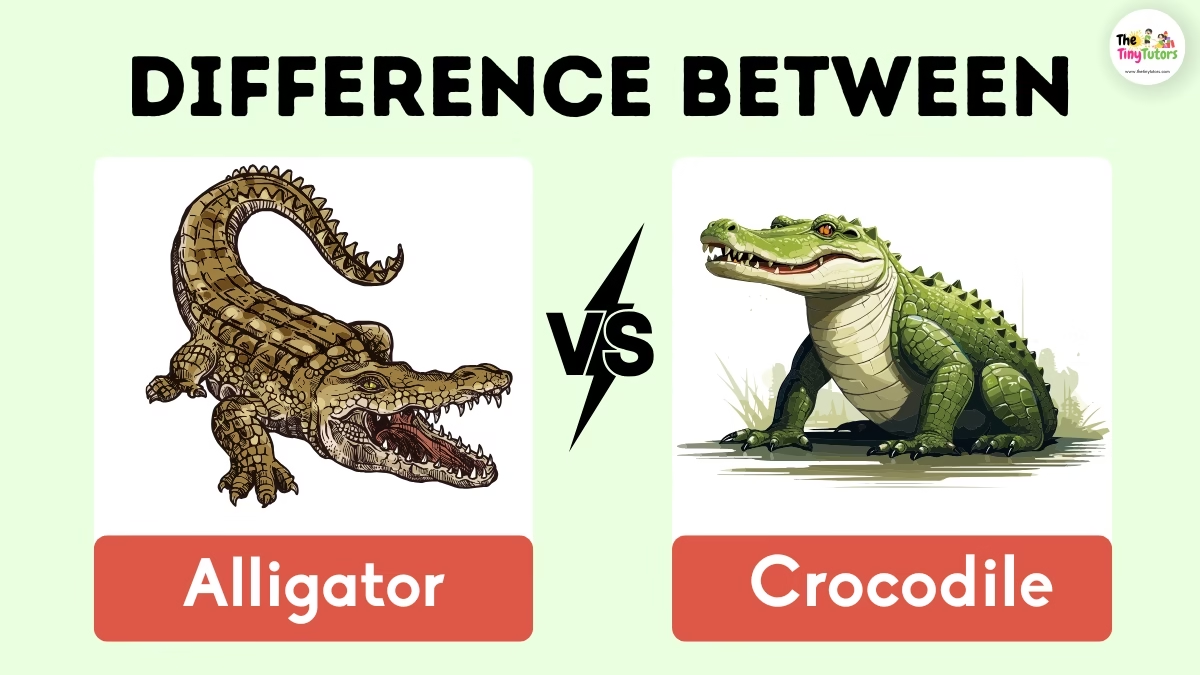
Alligator and Crocodile species are some of the oldest reptiles on Earth. Kids love learning about them because they look like real-life dinosaurs, with strong jaws, long bodies, and amazing water skills. In this guide, we explore everything about these ancient reptiles in a fun and simple way.
Alligators and crocodiles belong to an ancient reptile group called crocodylians. They have existed for more than 200 million years, long before humans. Their bodies changed very little over time, which is why scientists call them “living fossils.”
These reptiles have:
- Strong bite force
- Powerful tails
- Armored skin
- Excellent swimming skills
This makes Alligator and Crocodile species some of the most perfectly designed predators on Earth.
 Alligator and Crocodile: Key Differences for Kids
 Alligator and Crocodile: Key Differences for Kids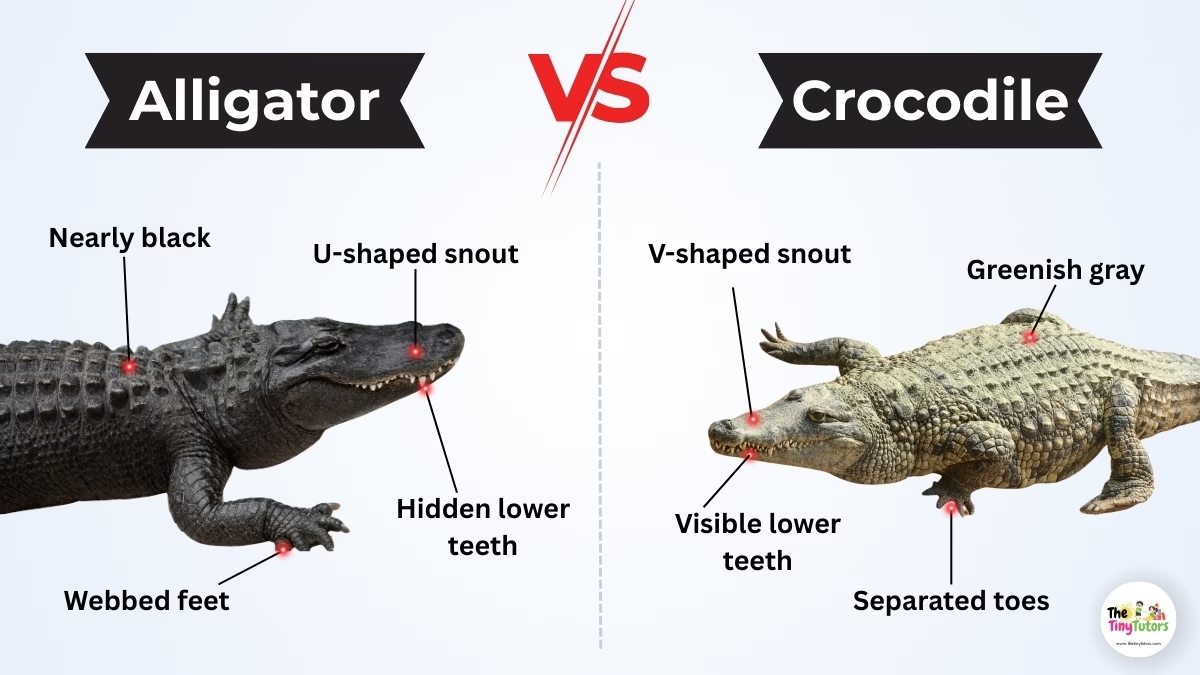
Kids are often curious about how these reptiles look so similar yet are different. Here is the simplest explanation to help young learners clearly identify each one.
Body and Snout Shape
 Body and Snout Shape
Alligators have a wide, U-shaped snout, almost like a rounded shovel. It helps them crush hard-shelled animals like turtles.
Crocodiles, on the other hand, have a long, V-shaped snout. This narrow shape is perfect for catching fish in both freshwater and saltwater.
Skin Color and Texture
Alligators usually appear dark gray or nearly black. Their coloring helps them hide in muddy freshwater swamps.
Crocodiles look light brown or greenish, which blends well with sandy or coastal environments.
Teeth Visibility
A fun way kids can identify them:
When an alligator closes its mouth, only the top teeth are visible.
When a crocodile closes its mouth, you can still see both upper and lower teeth, especially the big fourth tooth.
These differences make it easier for children to understand how Alligator and Crocodile species survive in different places and ecosystems.
Alligator vs Crocodile Size: Who Grows Bigger?
Size is one of the biggest differences between these reptiles, and kids love this comparison.
Typical Growth Range
A fully grown American alligator usually measures 10–14 feet long.
Many crocodile species grow between 14–18 feet, but some extremely large crocodiles can exceed 20 feet in length, making them one of the largest reptiles today.
Weight Comparison
Alligators can weigh between 300–500 kg.
Large crocodiles can weigh 900 kg or more, almost twice as heavy.
Why Crocodiles Grow Bigger
Crocodiles live in more open habitats like rivers, lakes, and coastlines, giving them more food choices such as large fish, birds, and even big mammals. This rich diet helps them grow longer than most alligators.
This size difference helps children understand how Alligator and Crocodile bodies have adapted to their environments.
If kids enjoy comparing reptile sizes, they can also explore the Biggest vs Smallest Reptiles in the World to discover which creatures are giants and which ones stay tiny in nature.
Which Is More Dangerous: Alligator or Crocodile?
Both animals look fierce, but crocodiles are considered more dangerous overall.
Behavior and Temperament
Alligators usually avoid humans and prefer to stay hidden. They attack only to defend themselves.
Crocodiles are more territorial and easily feel threatened. They defend their area strongly, especially saltwater crocodiles.
Habitat Risk Level
Alligators live mostly in calm freshwater, which naturally reduces encounters with people.
Crocodiles live in both freshwater and saltwater, increasing chances of meeting humans near beaches, rivers, and mangroves.
Final Verdict for Kids
Crocodiles win the title of “more dangerous reptile” because of their unpredictable behavior and stronger territorial instincts.
Kids who want to learn how danger levels differ in other animals can also read Venomous vs Nonvenomous Snakes for Kids, which explains how to tell safe snakes from harmful ones.
Alligator vs Crocodile – Who Would Win in Nature?
Kids love imagining a battle between these giant reptiles, but nature doesn’t give us a simple answer.
Strength and Size Factor
A giant crocodile would usually have the advantage because crocodiles are:
- Longer
- Heavier
- Stronger biters
But an alligator can still surprise predators with its quick bursts of speed.
Habitat Advantage
If the fight happened in freshwater, the alligator would feel more comfortable.
If it happened in saltwater, the crocodile would dominate because alligators cannot survive in salty environments.
Reality: They Rarely Meet
Alligators live mostly in the United States, while crocodiles live across many countries including Australia, Africa, and Asia. Because their habitats barely overlap, real fights almost never happen.
This makes kids understand that Alligator and Crocodile “battles” are mostly imaginary and fun to compare scientifically.
Alligator and Crocodile Comparison Chart
Kids learn best when they can compare things side by side. This simple chart helps them clearly understand the major differences between these reptiles.
Easy Comparison Table for Kids
| Feature | Alligator | Crocodile |
|---|---|---|
| Snout Shape | Wide, U-shaped | Long, V-shaped |
| Skin Color | Dark grey or almost black | Light brown or green |
| Habitat | Freshwater rivers, ponds & swamps | Fresh + saltwater coasts & lakes |
| Aggression | Usually calm unless threatened | More aggressive & territorial |
| Maximum Length | Up to 14 ft | 20 ft or more |
What This Chart Teaches Kids
This simple comparison helps children understand how Alligator and Crocodile species live differently and adapt to their environments.
Alligator Species: From the American Alligator to Others
Main Alligator Species
There are only two species of alligators in the world:
American alligator
Chinese alligator
The American Alligator in Nature
The American alligator lives in swamps, wetlands, slow rivers, and lakes. Kids often learn about them in school because they are the most common and friendly-looking (but still wild!) alligator species.
Rare and Special Chinese Alligator
The Chinese alligator is tiny compared to its American cousin and lives in small parts of China. Because there are so few left, scientists work hard to protect them.
These species show how Alligator and Crocodile relatives can be very different depending on where they live.
Behavior in Water: Alligator in Water vs Crocodile Underwater
Alligators in Freshwater
Alligators stay mostly in calm freshwater. They float with just their eyes and nose above the surface, making them look like quiet floating logs. This helps them stay hidden while watching for food.
Crocodiles Underwater
Crocodiles can handle both fresh and salty water. They hold their breath for long periods and move silently underwater by swishing their strong tails.
Why Their Swimming Styles Differ
Alligators stay close to shorelines, while crocodiles travel long distances in bigger bodies of water. That’s why swimmers must be careful in crocodile areas.
Kids who enjoy exploring nature can also read fun topics like Fruits Name in English and Colors Name.
What Do They Eat? Crocodile Diet vs Alligator Diet
Alligator Diet
Alligators eat:
- Fish
- Birds
- Snakes
- Turtles
- Small mammals
Their wide jaws help them crush hard shells easily.
Crocodile Diet
Crocodiles enjoy a bigger menu:
- Fish
- Birds
- Reptiles
- Crabs
- Large mammals like deer (in some species)
How They Eat
Neither reptile chews food. Instead, they:
- Bite hard
- Shake their heads
- Swallow pieces whole
Their eating style shows how Alligator and Crocodile bodies are built for strong survival.
Sounds They Make: Alligator Sound and Crocodile Calls
Sounds Made by Alligators
Alligators make a deep, rumbling bellow that can shake the water around them. Baby alligators squeak when they call their mother for help.
Sounds Made by Crocodiles
Crocodiles communicate using:
- Hisses
- Grunts
- Growls
- Loud roars (in large species)
Why These Sounds Matter
Both reptiles use sounds to:
- Warn others
- Attract mates
- Protect territory
These noises help scientists understand behaviors of Alligator and Crocodile families.
Can Crocodiles and Alligators Mate or Get Along?
Can They Mate?
No — crocodiles and alligators cannot mate. Their bodies and DNA are too different.
Do They Get Along?
Not really. They avoid each other because they:
- Live in different habitats
- Have different behaviors
- Prefer their own species
Why They Stay Separate
Even in places where both are found, such as parts of Florida, they stay far apart and rarely interact.
Is a Crocodile a Reptile or Amphibian?
Crocodile as a Reptile
Crocodiles (and alligators) are reptiles. This means they have:
- Dry, scaly skin
- Lungs for breathing
- Hard-shelled eggs
- Cold-blooded bodies
How Amphibians Differ
Amphibians like frogs and salamanders have:
- Wet skin
- Life stages in water and on land
- Jelly-like eggs
Easy Rule for Kids
If it has scales and eggs on land, it’s a reptile.
If it has moist skin and needs water to grow, it’s an amphibian.
Amazing Alligator and Crocodile Facts for Kids
- Their teeth keep growing back!
- They sunbathe because they are cold-blooded.
- Baby crocodiles communicate from inside the egg.
- Adults can swim faster than Olympic swimmers.
- Their eyes glow red at night!
Photo Guide: Alligator and Crocodile Photo Highlights
Kids can easily spot differences by looking at:
- Snout shape
- Body color
- Habitat (freshwater or saltwater)
- Tail length
Nature books and wildlife zoos often show clear alligator and crocodile photos to help children learn.
Extra Fun Facts for Curious Kids
Here are some bonus facts:
- Alligators can run quickly in short bursts.
- They swallow stones to help them swim better!
- Their ancestors lived alongside dinosaurs.
⭐ FAQs for Kids
Q1. Are alligators friendly

A1: Alligators are not friendly pets, but they usually prefer staying away from people.
They avoid humans when possible, yet they can still be dangerous if someone gets too close or disturbs them.
It’s always safest to admire them from a distance.
Q2. Do crocodiles sleep underwater
A2: They can rest underwater but must come up for air.
Q3. How long can alligators live
A3: Alligators can live a surprisingly long time. Many reach 50 years of age, and some even make it to 70 years in protected environments like wildlife parks.
Their slow lifestyle and strong bodies help them live for decades.
Q4. Why do crocodiles open their mouths while resting
A4: To cool down! It’s like their way of sweating.
Q5. Can kids safely see them
A5: Yes! Kids can safely see these reptiles at zoos, aquariums, and guided wildlife tours where trained experts keep visitors protected.
These controlled environments let children learn about them closely without being at risk.
✅ Conclusion:
Alligator and Crocodile species are vital to the health of wetlands because they keep animal numbers balanced. By controlling fish, birds, and small mammals, they make sure no single species becomes too common. This balance protects plants, stabilizes food chains, and helps the entire habitat stay healthy.
Learning about Alligator and Crocodile species teaches kids how every creature—whether large or small—helps nature work smoothly. When children understand their importance, they become more aware of conservation and how protecting wildlife protects the planet.
In the big picture, Alligator and Crocodile families remind us that healthy wetlands depend on strong predators. By valuing and safeguarding these reptiles, we support ecosystems that millions of animals rely on each day.