
Good manners for kids are not just about saying polite words—they shape a child’s character, confidence, and social success. 👏 Children who learn respectful behavior early are more likely to be admired, trusted, and emotionally strong as they grow.
- Why Good Manners for Kids Matter 🏆
- How Parents Can Teach Good Manners 👨👩👧👦
- 22 Essential Good Manners for Kids 🌟
- Social & Emotional Manners for Kids ❤️
- Daily Life Manners for Kids 🍽️
- How The Tiny Tutors Supports Manners Education
- Quick Reference Table 📊
- FAQs About Teaching Manners ❓
- Final Thoughts 🌈
At The Tiny Tutors, we believe manners are life skills. 🌱 With gentle guidance, consistency, and positive modeling, parents can raise children who naturally show kindness 💖 and respect.
Why Good Manners for Kids Matter 🏆
Good manners help children:
✅ Build positive relationships
✅ Communicate respectfully
✅ Develop empathy and self-control
✅ Feel confident in social situations
Children don’t misbehave intentionally. ❌ Often, they simply don’t know what behavior is appropriate. Teaching good manners for kids early makes everyday interactions smoother and happier.
How Parents Can Teach Good Manners 👨👩👧👦
Use simple, age-appropriate language
Model polite behavior daily
Give gentle reminders instead of punishment
Praise effort, not just perfection
Children pick up lessons from our actions more than from our spoken words.
Parents can combine manners lessons with fun educational activities from our Kids Learning hub.
22 Essential Good Manners for Kids 🌟
These are the basic manners every child should know to grow into a respectful individual.
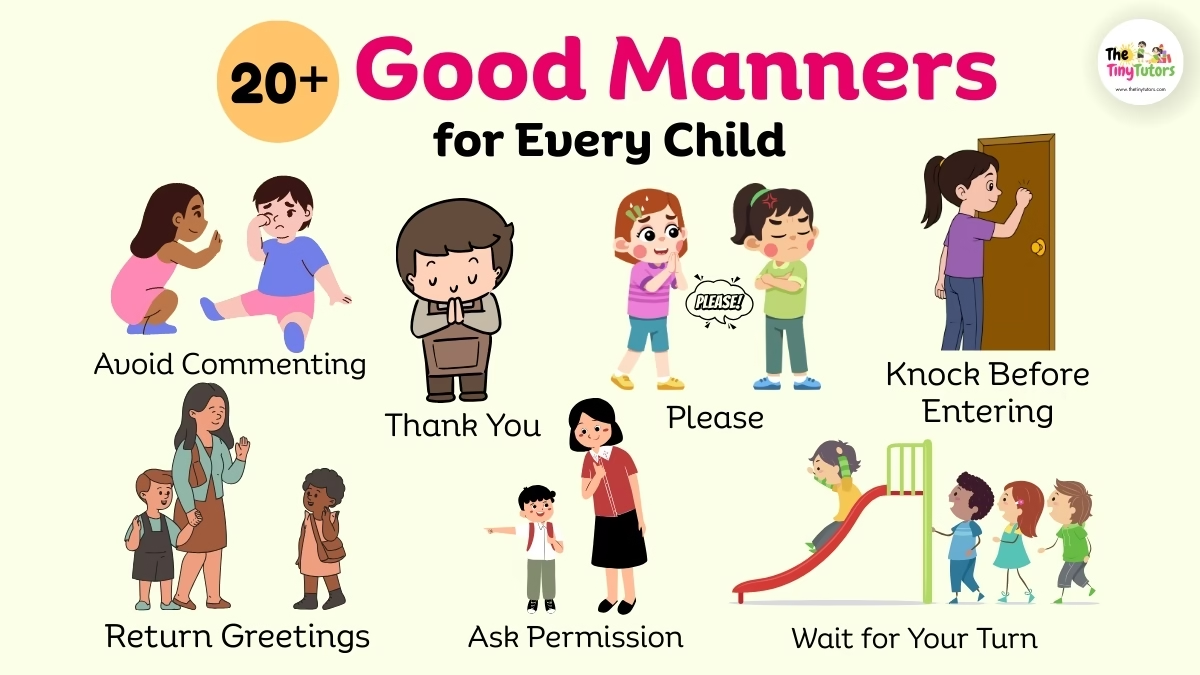
Teaching Good Manners for Kids is not about strict rules. It is about helping children understand respect, kindness, and polite behavior in daily life. Each habit below is explained in a gentle way so children can easily learn and parents can confidently guide them.
1. Say “Please” 🙏
Saying “please” teaches children respect when asking for something.
It helps kids understand that requests should be polite, not demanding.
Why it matters:
Builds polite behavior for kids
Encourages respectful communication
Makes requests sound kind
Parent tip:
👉 Use “please” often at home so children learn by watching.
2. Say “Thank You” 😊
Gratitude is a core part of good manners for children. Saying “thank you” shows appreciation for help, gifts, or kind actions.
Why it matters:
Builds emotional intelligence
Teaches kids to value others
Improves social relationships
Want to practice polite phrases more? Check out our 100 Daily Use English Sentences for Kids guide.
3. Wait for Your Turn ⏳
Waiting teaches patience and listening skills.
Kids etiquette includes knowing when to speak and when to wait.
Why it matters:
Encourages self-control
Helps children respect others
Improves classroom behavior
4. Say “Excuse Me” 🚶
Children should use “excuse me” when interrupting or passing by someone.
Why it matters:
Teaches polite interruption
Reduces rude behavior
Shows awareness of others
5. Ask Permission ✋
Asking before taking or doing something helps children understand boundaries.
Why it matters:
Builds responsibility
Encourages trust
Supports teaching good manners to kids
6. Avoid Commenting on Appearance 💬
Children often speak honestly without realizing words can hurt.
Why it matters:
Teaches empathy
Prevents embarrassment
Builds emotional maturity
7. Return Greetings 👋
When someone greets a child, they should reply politely.
Why it matters:
Builds confidence
Improves social skills
Encourages polite behavior for kids
8. Express Gratitude 💖
Children should thank hosts, teachers, and helpers.
Why it matters:
Strengthens relationships
Shows respect
Teaches appreciation
9. Knock Before Entering 🚪
Knocking teaches children to respect privacy.
Why it matters:
Builds trust
Teaches boundaries
Improves family harmony
10. Introduce Yourself Politely 🙂
Knowing how to introduce oneself helps children feel confident.
Why it matters:
Builds communication skills
Encourages independence
Improves manners for kids
Social & Emotional Manners for Kids ❤️
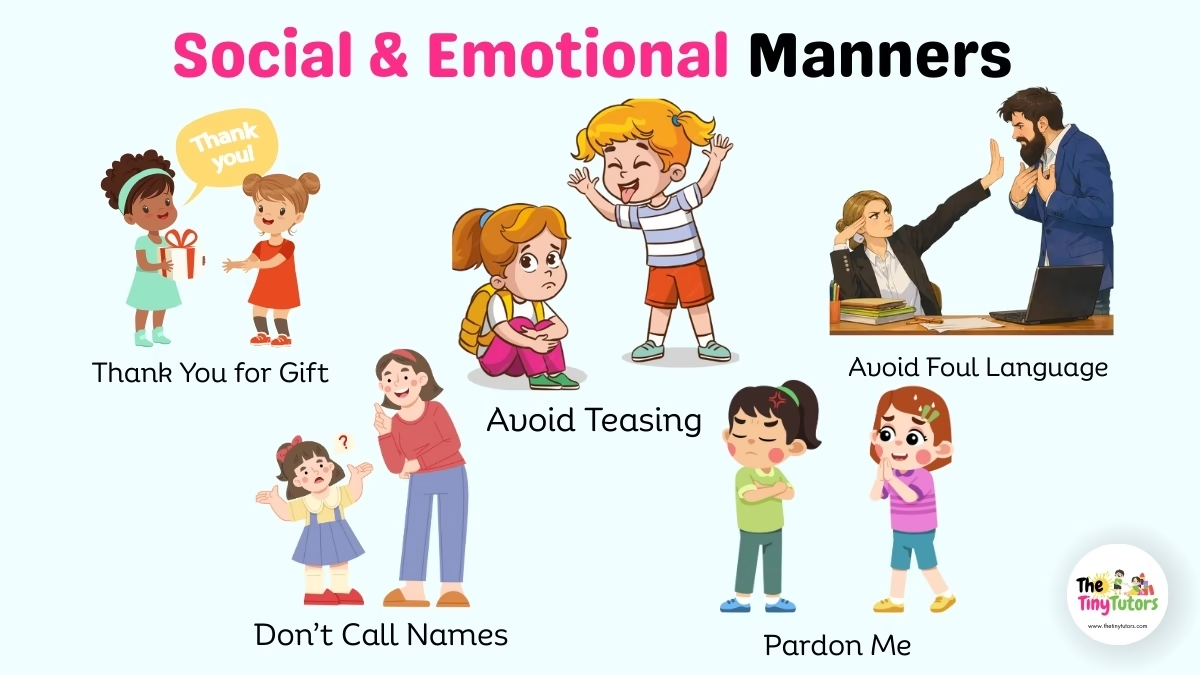
These social good manners for kids help them build empathy, kindness, and healthy relationships.
11. Say Thank You for Gifts 🎁
Children should thank the giver, even if they don’t love the gift. The American Academy of Pediatrics highlights that practicing gratitude from a young age helps children build strong emotional and social skills.
Why it matters:
Teaches gratitude
Encourages kindness
Builds emotional control
12. Avoid Foul Language 🚫
Children copy what they hear.
Why it matters:
Promotes respectful speech
Improves social acceptance
Reflects good manners for children
13. Don’t Call Names 🧠
Name-calling hurts feelings and friendships.
Why it matters:
Builds empathy
Encourages kindness
Reduces bullying
14. Avoid Teasing 🤝
Even jokes can hurt.
Why it matters:
Teaches sensitivity
Builds trust
Encourages respectful friendships
15. Say “Pardon Me” 🤍
Acknowledging mistakes shows maturity.
Why it matters:
Teaches accountability
Encourages polite responses
Builds character
Daily Life Manners for Kids 🍽️
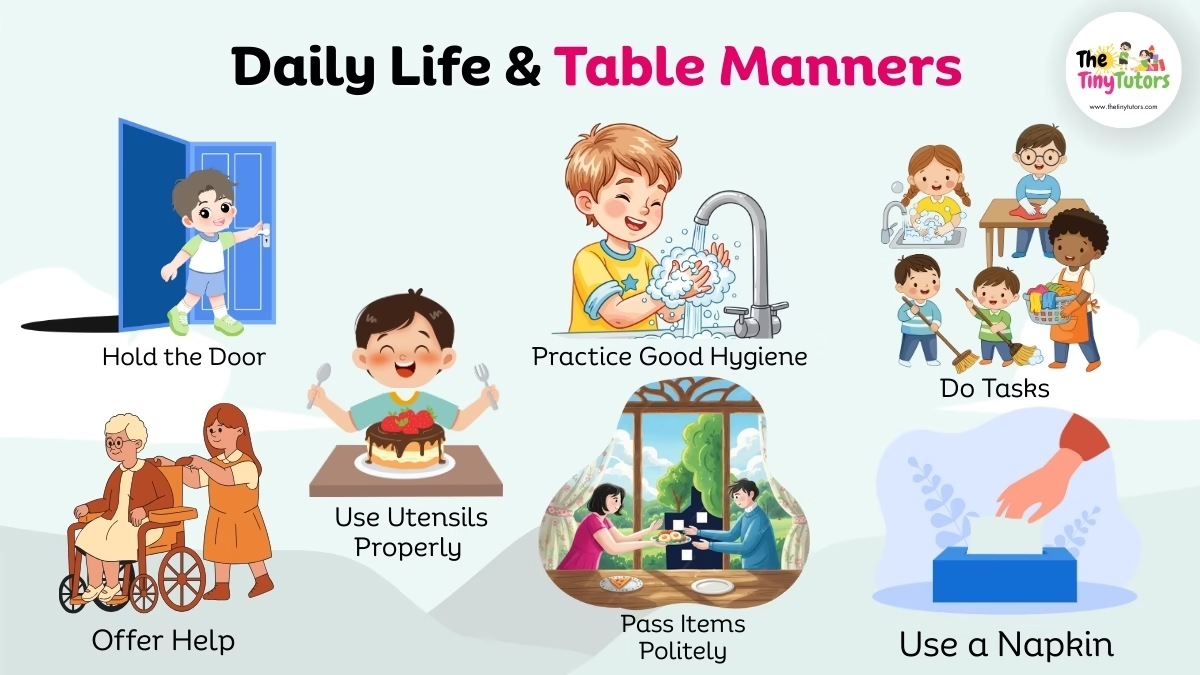
Table manners for kids play an important role in social confidence.
16. Practice Good Hygiene 🧼
Clean habits protect everyone.
Why it matters:
Promotes health
Shows responsibility
Builds self-care habits
17. Hold the Door 🚪
A small gesture that teaches big values.
Why it matters:
Encourages helpfulness
Builds awareness
Shows polite behavior for kids
18. Offer Help 🤗
Children should help when they see someone struggling.
Why it matters:
Builds compassion
Encourages teamwork
Teaches kindness
19. Do Tasks Without Complaining 😌
A positive attitude makes work easier.
Why it matters:
Builds discipline
Encourages responsibility
Improves emotional control
20. Use Utensils Properly 🍴
Table manners are part of everyday etiquette.
Why it matters:
Builds confidence
Improves dining behavior
Reflects kids etiquette
21. Use a Napkin 🧻
Napkins keep meals neat and polite.
Why it matters:
Encourages cleanliness
Shows table respect
Builds awareness
22. Pass Items Politely 🍽️
Children should ask instead of reaching.
Why it matters:
Prevents mess
Encourages patience
Teaches polite communication
How The Tiny Tutors Supports Manners Education
At The Tiny Tutors, we integrate good manners for kids into:
Early childhood learning programs
Social-emotional development activities
Everyday classroom interactions
Our goal is to help children grow into confident, respectful, and kind individuals.
Quick Reference Table 📊
| Manners Skill | Life Benefit |
|---|---|
| Saying please & thank you | Respect & kindness |
| Waiting turns | Patience |
| Greeting politely | Confidence |
| Table manners | Social acceptance |
| Helping others | Empathy |
FAQs About Teaching Manners ❓
Q1: At what age should children learn manners?
A1: Children can start learning basic manners as early as age 2 through observation and gentle reminders.
Q2: How can parents teach manners without strict punishment?
A2: By modeling behavior, using praise, and giving calm explanations instead of yelling.
Q3: Why are manners important for child development?
A3: They build confidence, improve relationships, and support emotional growth.
Q4: Can schools help reinforce manners?
A4: Yes, teachers play a key role in encouraging respectful and polite behavior daily.
Final Thoughts 🌈
Teaching Good Manners for Kids is a lifelong gift. These habits shape a child’s character, confidence, and relationships. When parents and teachers work together, children naturally grow into respectful and kind individuals.
At the heart of Good Manners for Kids is patience, example, and love — and with consistency, these values stay for life.