
Firefly facts for kids are fascinating because fireflies are tiny glowing insects that light up warm summer nights. Kids love watching them flash like little stars flying over gardens, parks, and forests.
These magical insects spark curiosity about nature, science, and the incredible world of insects. Imagine tiny lanterns hovering in the dark, blinking just for you! 🌌
Learning about fireflies is a perfect way for children to explore science in a fun and safe way. Firefly facts for kids show that science isn’t just in books—it’s glowing right outside your window! ✨
Fireflies are part of the amazing world of insects — just like ants, butterflies, and beetles — which you can read more about in Insects and Bugs for Kids: 20 Amazing Helpers & Creepy Crawlers.
What Are Fireflies? 🐞
Fireflies are insects that belong to the beetle family, but they are unlike other bugs because they can produce glowing light from their bodies. This glowing light is called bioluminescence, and it helps fireflies communicate with each other, especially during mating.
Fireflies are different from other insects because:
They glow at night. 🌌
They have soft wings and long bodies.
Their lights blink in unique patterns to send messages.
💡 Fun firefly fact for kids: Some fireflies even flash in synchronization like tiny living light shows!
Related keywords naturally used here: firefly insect, firefly insect at night, image of firefly insect
Different Types of Fireflies 🌏
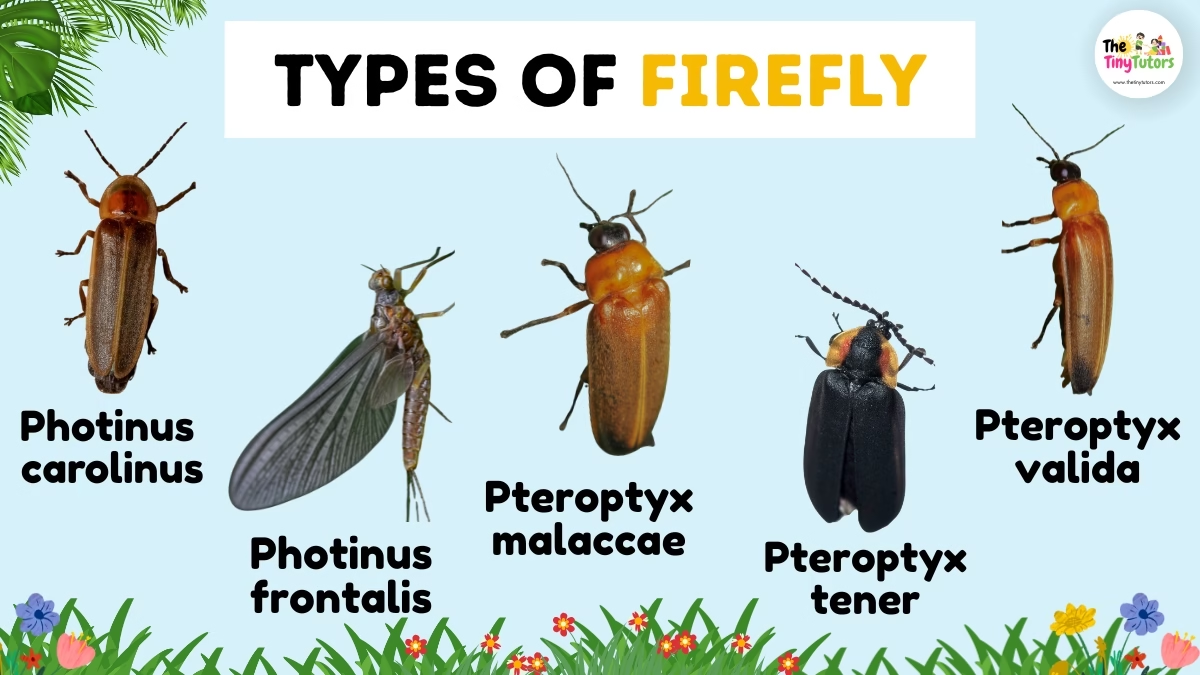
There are over 2,000 species of fireflies worldwide, each with unique flashing patterns. Exploring different firefly types is one of the most exciting firefly facts for kids!
| 🔢 No. | 🐞 Firefly Type | ✨ How They Glow | 🌍 Where Kids Can Find Them |
|---|---|---|---|
| 1 | Synchronous Fireflies | Flash their lights together at the same time | Forests, trees, open natural areas |
| 2 | Blue Ghost Fireflies | Give off a soft blue light | Dark and quiet forests |
| 3 | Photinus Fireflies | Blink yellow or green light | Gardens, parks, grassy places |
| 4 | Photuris Fireflies | Bright flashing light | Wetlands and plants |
| 5 | Lampyris (Glow-worm Fireflies) | Steady glow on the ground | Grass, soil, low plants |
| 6 | Lucidota Fireflies | Little or very weak light | Forest floors |
| 7 | Pyractomena Fireflies | Fast and strong blinking light | Trees and bushes |
| 8 | Lamprohiza Fireflies | Bright glow (mostly females glow) | Tropical areas |
| 9 | Luciola Fireflies | Soft blinking light | Fields and near water |
| 10 | Ellychnia Fireflies | Very little light, active in daytime | Tree bark and forests |
| 11 | Aspisoma Fireflies | Slow blinking glow | Open lands and plants |
| 12 | Diaphanes Fireflies | Soft and steady glowing light | Forests and natural habitats |
Every type is unique, and firefly facts for kids show how creative nature can be! 🌟
Life Cycle of a Firefly 🥚➡️💡
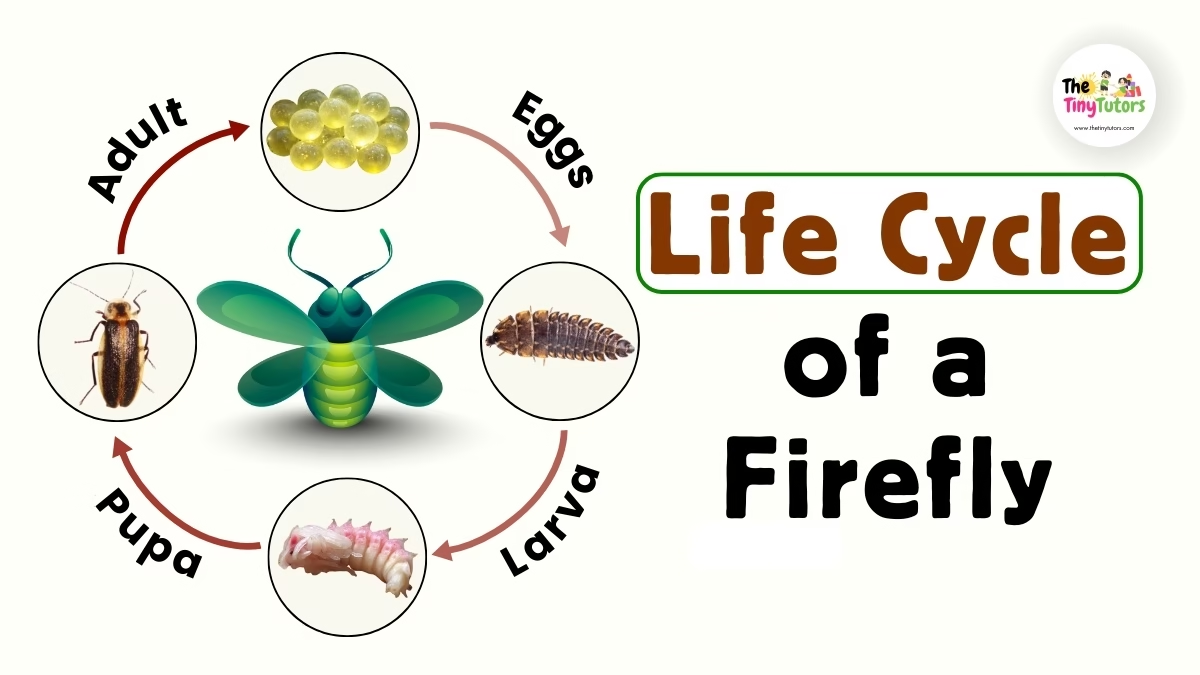
The life cycle of a firefly, one of the coolest firefly facts for kids, takes several weeks to months depending on species. Fireflies go through four main stages:
Eggs – Laid in soil or leaf litter, tiny and hard to see. 🥚
Larvae (Glowworms) – They eat snails, worms, and small insects. 🐌
Pupae – Inside a protective cocoon, they change into adults. 🐛
Adults – Fly at night, flash their lights, and mate. 💡
Understanding the firefly insect life cycle helps kids see how creatures grow and change. Drawing or tracking a firefly life cycle can be a fun activity! 🌱
If you want to learn how other insects grow and change, check out Complete vs Incomplete Metamorphosis: 7 Key Life Stage Facts to see how different bugs grow at each stage.
🌟 12 Amazing Firefly Facts for Kids
Here are some amazing firefly facts for kids that make learning about insects fun:
1️⃣ Fireflies are not flies! 🐞
Even though they are called “fireflies,” they are actually beetles, not true flies.
2️⃣ They glow using special chemicals. ✨
Fireflies produce light through bioluminescence using luciferin, luciferase, and oxygen — it’s a chemical glow inside their bodies.
3️⃣ Each species has its own flashing pattern. 🌌
Fireflies blink in unique sequences to find mates and communicate with other fireflies.
4️⃣ Some can flash super fast! ⚡
Certain fireflies can blink up to 10 times per second, creating tiny light shows in the night.
5️⃣ Fireflies can glow without getting hot. 🔥❌
Their light is called “cold light,” so it doesn’t burn, making it safe for nighttime exploration.
6️⃣ They live in warm, wet places. 🌊
Fireflies love gardens, forests, meadows, ponds, and rivers where it’s humid and safe for their larvae.
7️⃣ Firefly larvae are called glowworms. 🐛
Before becoming adults, fireflies are larvae that eat small insects and snails while glowing softly.
8️⃣ Some fireflies are endangered. 🌱
Habitat loss, light pollution, and pesticides have made some species rare, so protecting them is important.
9️⃣ Fireflies help gardens. 🐜
Firefly larvae eat pests like slugs and small insects, making them natural garden helpers.
🔟 They inspire science and art. 🎨
Students use fireflies to learn about bioluminescence, and they appear in stories, drawings, and crafts.
11 They can communicate over long distances. 🌌
Fireflies’ light can travel far enough for other fireflies to see and respond, especially in the dark.
12 Some fireflies glow in groups! 💡
In certain species, like synchronous fireflies, thousands blink together at the same time, creating magical night displays.
Fireflies in Different Cultures 🌐
Learning firefly facts for kids also includes discovering how cultures around the world celebrate these glowing insects.
Japan: Fireflies symbolize love and summer. 🌸
North America: Kids often catch them gently in jars for fun. 🏡
Many cultures use fireflies in stories and festivals to teach about nature. 📚
Fireflies are not only insects—they are symbols of magic and wonder around the world! 🌏
How to Observe Fireflies Safely 👀
One of the most important firefly facts for kids is how to watch them without harming them:
Go out at dusk or night when fireflies appear. 🌙
Do not catch or harm them. ❌
Use a red flashlight to watch them without disturbing. 🔦
Watch quietly and enjoy their glowing patterns.
Encouraging kids to observe fireflies safely teaches respect for nature while exploring science.
Why Fireflies Are Important 🌱
Fireflies are more than pretty lights:
They are part of the food chain, feeding birds and other animals. 🐦
Scientists study their bioluminescence for medicine and technology. 💡
Fireflies indicate healthy environments—fewer fireflies can signal pollution. 🏞️
Learning firefly facts for kids helps children understand ecology, conservation, and the importance of protecting our glowing friends.
Just like bees and ladybugs, fireflies play an important role in nature — and you can learn what makes insects helpful or harmful in Helpful vs Harmful Insects: Easy Guide for Kids & Garden.
FAQs🐞
Q1: What do fireflies eat?
A1: Firefly larvae eat snails, worms, and small insects. Adults usually eat nectar or pollen.
Q2: Why do fireflies glow?
A2: They glow to find mates, communicate, and warn predators.
Q3: Are fireflies endangered?
A3: Some species are threatened due to light pollution and habitat loss.
Q4: Can kids catch fireflies?
A4: It’s better to observe fireflies gently without catching them to keep them safe.
Q5: How long do fireflies live?
A5: Most live a few weeks as adults; the larval stage lasts longer.
Conclusion:💛
Firefly facts for kids show that these tiny glowing insects are more than just bugs—they are sparks of wonder in nature. Fireflies are tiny wonders that light up our world and teach kids about science, nature, and curiosity.
Next time you see a firefly, remember: it’s not just a bug, it’s a spark of magic in the night sky! ✨