
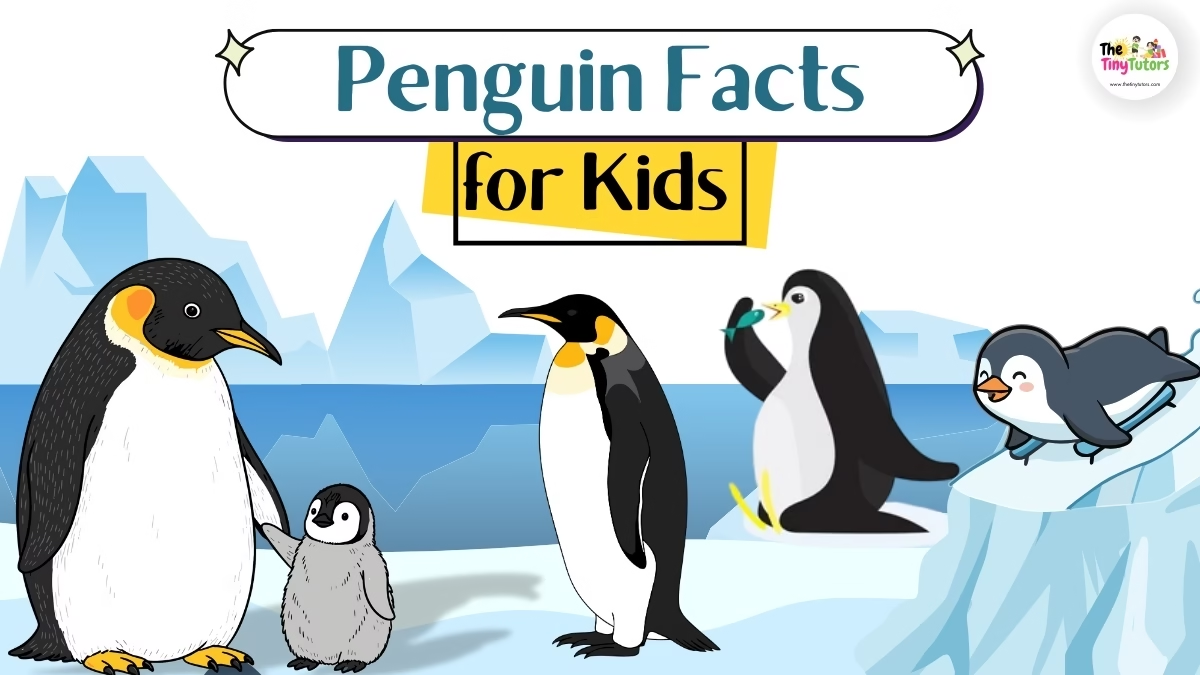
Penguins🐧 are some of the cutest and most fascinating birds on our planet! With their wobbly walk, funny slides on ice, and soft, fluffy feathers, these little birds are sure to make any kid smile. Did you know that even though penguins have wings, they cannot fly in the sky like other birds! Instead, they are amazing swimmers, gliding through icy waters like tiny torpedoes!
In this guide, kids will explore everything about these fascinating creatures – from different species and where they live, to what they eat in cold and warm seasons. You’ll also discover fun and surprising facts, including how they take care of their eggs and chicks, and some adorable behaviors that make them extra special. ❄️
Get ready to jump into their icy world, meet tiny baby birds, see how they huddle together to stay warm, and learn about their exciting adventures in the wild. By the end, you’ll be a true bird expert! ✨
 What Are Penguins? 🐧
Penguins are special birds that cannot fly in the sky like other birds. Instead, they are built for life in the water and on icy lands. Their wings act like flippers, helping them swim gracefully and quickly underwater, almost like little rockets! 🏊♂️💨
Even though these birds can’t soar in the air, they are perfectly suited for cold environments. They have a thick layer of feathers and a layer of fat called blubber that keeps them warm in freezing places like Antarctica. ❄️
Penguins are social creatures and love living together in large groups called colonies. Some colonies have thousands of penguins! Living together keeps them safe from predators, helps them share warmth, and makes raising their eggs and chicks easier. 🐧❤️
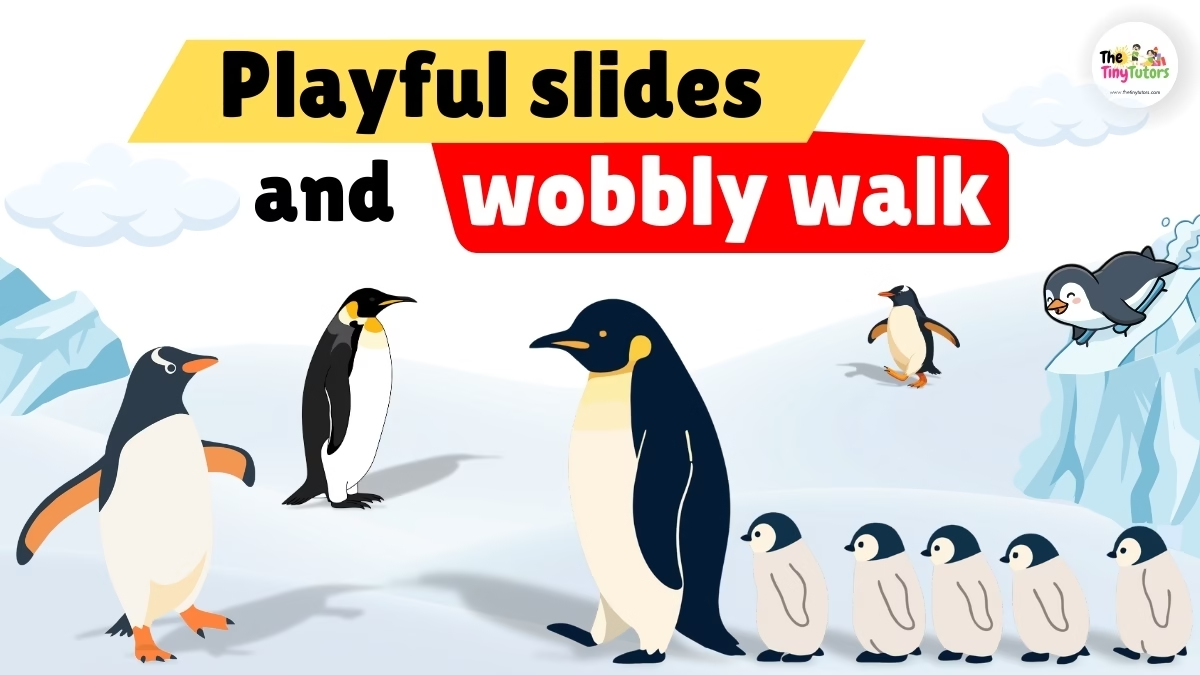
Watch how penguins slide on ice and walk in a cute, wobbly way.
 Fun Facts for Kids:
-
 These birds can swim up to 15 miles per hour, making them super fast underwater! 🌊
 -
They slide on ice using their bellies in a fun movement called tobogganing, which saves energy. 🛷
-
Each penguin has a unique call, like a secret name, so they can find their friends and family in a noisy colony. 📣
-
Penguins carefully groom their feathers to stay waterproof and snug in icy waters. 🧼
How These Birds Stay Warm 🌡️
| Feature | How It Helps Them |
|---|---|
| Thick feathers | Keep heat inside and water out |
| Fat layer (blubber) | Insulates the body in icy waters |
| Huddling in colonies | Shares body heat with friends |
Penguins are playful, clever, and full of surprises. Learning about them shows how amazing nature can be, and why these birds are loved by kids all over the world! 🐧✨
Penguin Anatomy & Adaptations 🐧❄️
Penguins are amazing creatures, perfectly built for life in icy waters and freezing lands. Let’s look at how their bodies help them survive:
1. Flippers for Super Swimming 🏊♂️
-
Penguins can’t fly in the sky, but their wings work like flippers, helping them glide underwater.
-
Strong muscles and sleek shapes make them fast swimmers, reaching speeds up to 15 miles per hour!
-
Flippers help them steer, dive, and catch fish easily.
2. Blubber & Feathers for Warmth 🌡️
-
These birds have a thick layer of blubber under their skin to stay warm in freezing temperatures.
-
Their feathers are waterproof and snug, keeping cold water out.
-
These birds often huddle together to share body heat, especially during winter.
| Feature | How It Helps | Fun Fact |
|---|---|---|
| Flippers | Swim fast underwater | Acts like rocket boosters! |
| Blubber | Keeps warm in freezing water | Can survive -50°C in Antarctica! |
| Feathers | Waterproof & insulate | These birds groom daily to stay cozy |
3. Eyes & Vision 👀
-
These birds have excellent underwater vision to spot fish, squid, and krill.
-
Their eyes adapt to both bright sunlight on ice and dark underwater environments.
-
Helps them hunt efficiently, even in icy waters.
Types of Penguins
There are many kinds of penguins, but here are some of the most famous types you should know:
King Penguin 🐧
-
They are the second largest penguin species
-
Bright orange patches on the sides of their heads.
-
Can live up to 25 years.
Macaroni Penguin🐧
-
Named for their fancy yellow crest feathers.
-
They are very social and loud birds.
-
Found in sub-Antarctic islands.
Galapagos Penguin 🐧
-
Only penguin species that live near the equator.
-
They can survive in warmer climates.
Adelie Penguin 🐧
-
They are small black-and-white penguins.
-
Loves building nests with stones.
-
Found along the Antarctic coast.
Chinstrap Penguin 🐧
-
It has a black line under the chin (looks like a chinstrap!)
-
Very feisty and playful.
Emperor Penguin 🐧
-
They are the largest penguin species.
-
Can survive the coldest temperatures on Earth.
-
Famous for carrying each egg on their feet.
-
🖼️ Emperor penguin images are a favorite in kids’ books.
Little Blue Penguin 🐧
-
Smallest penguin species.
-
Their blue feathers make them look extra cute.
-
Noisy at night in their burrows.
Where Do Penguins Live? (Habitat) 🏔️🌊
These amazing birds can be found in many different habitats, mostly in the Southern Hemisphere. Some live in the icy lands of Antarctica, where snow and freezing temperatures cover the ground almost all year round. Others prefer rocky islands, sandy beaches, or warmer coastal regions where the sun shines more often. 🌞❄️
The Emperor penguin habitat is one of the coldest places on Earth. These birds survive on vast ice sheets, braving temperatures that can drop far below freezing. To stay warm, they huddle together in large groups, forming cozy circles that protect them from icy winds. 🐧💨
Other species have adapted to very different climates. Some live along the coasts of South America, while others are found in Australia, New Zealand, and parts of Africa. They are excellent swimmers, which helps them catch food in the surrounding oceans no matter where they live. 🌊
Fun Facts About These Birds’ Homes 🌍
-
Some species, like the Galapagos residents, live so close to the equator that they enjoy warm sunshine! 🌴
-
Many build nests in safe spots, such as rocky crevices or burrows, to protect their eggs from predators and bad weather. 🥚
-
Large colonies are more than fun gatherings—they help the birds stay safe, warm, and cozy together. ❤️
Habitats Around the World 🌏
| Region | Type of Habitat | Special Notes |
|---|---|---|
| Antarctica | Ice sheets & snow | Emperor & Adelie species thrive here |
| South America | Coastal beaches & rocky shores | Magellanic species live here |
| Australia & New Zealand | Rocky islands & coastal waters | Little Blue birds make burrows |
| Africa | Coastal areas | African species enjoy milder weather |
These birds are incredible travelers, able to survive in freezing ice lands or warmer coastal regions. Learning about their habitats helps kids understand how they stay safe, find food, and thrive in many different places on Earth. 🐧✨
Emperor Penguin vs King Penguin
Let’s understand the difference in a fun and easy way!
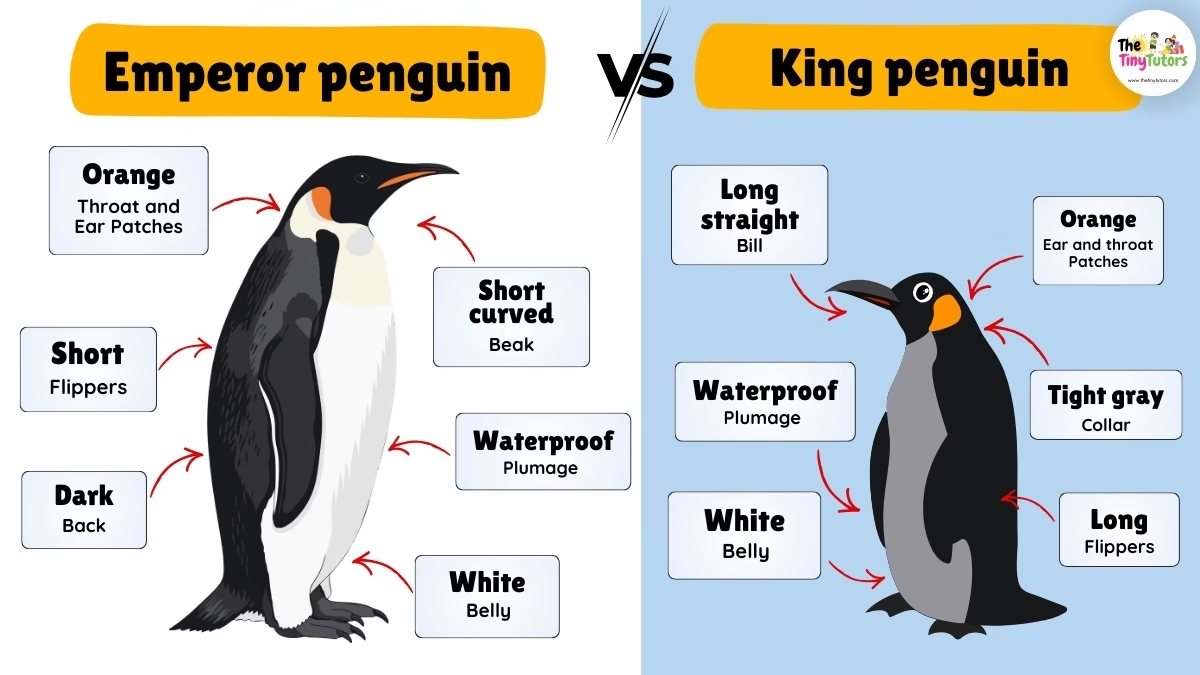
Both Emperor Penguin and King Penguin look similar, but they are not the same.
This simple comparison penguin picture helps kids to learn how they are different.
📊 Easy Comparison Table for Kids
| Feature | Emperor Penguin 👑 | King Penguin 🤴 |
|---|---|---|
| Size | Biggest penguin in the world | Second biggest penguin |
| Height | About 3–4 feet tall | About 3 feet tall |
| Weight | Very heavy and strong | Slightly lighter |
| Living Place | Deep Antarctica ❄️ | Sub-Antarctic islands |
| Cold Power | Survives extreme freezing | Lives in cold but not extreme ice |
| Body Covering | Extra thick feathers and fat | Thick feathers, less fat |
| Beak Shape | Long beak with yellow sides | Long beak with orange sides |
| Flippers | Larger and stronger flippers | Slightly smaller flippers |
| Egg Care | Father keeps egg on his feet | Father also keeps egg on feet |
| Parent Role | Father cares alone in winter | Both parents share care |
| Swimming Skill | Dives very deep 🌊 | Dives deep, but less than Emperor |
| Markings | Yellow patches on neck | Bright orange patches on neck |
| Baby Care | Very patient and protective | Caring and gentle parents |
How These Birds Care for Their Eggs 🥚
These birds are excellent parents!
-
Penguin egg: Most penguins lay 1-2 eggs at a time.
-
Penguin nests: Some build nests with stones, while others, like the Emperor penguin, carry their eggs on their feet.
-
Emperor penguin eggs: Dad keeps the egg warm on his feet while mom hunts for food.
-
Emperor penguin chicks: Are born fluffy and cared for by both parents
Life Cycle of Penguins 🥚➡️🐧
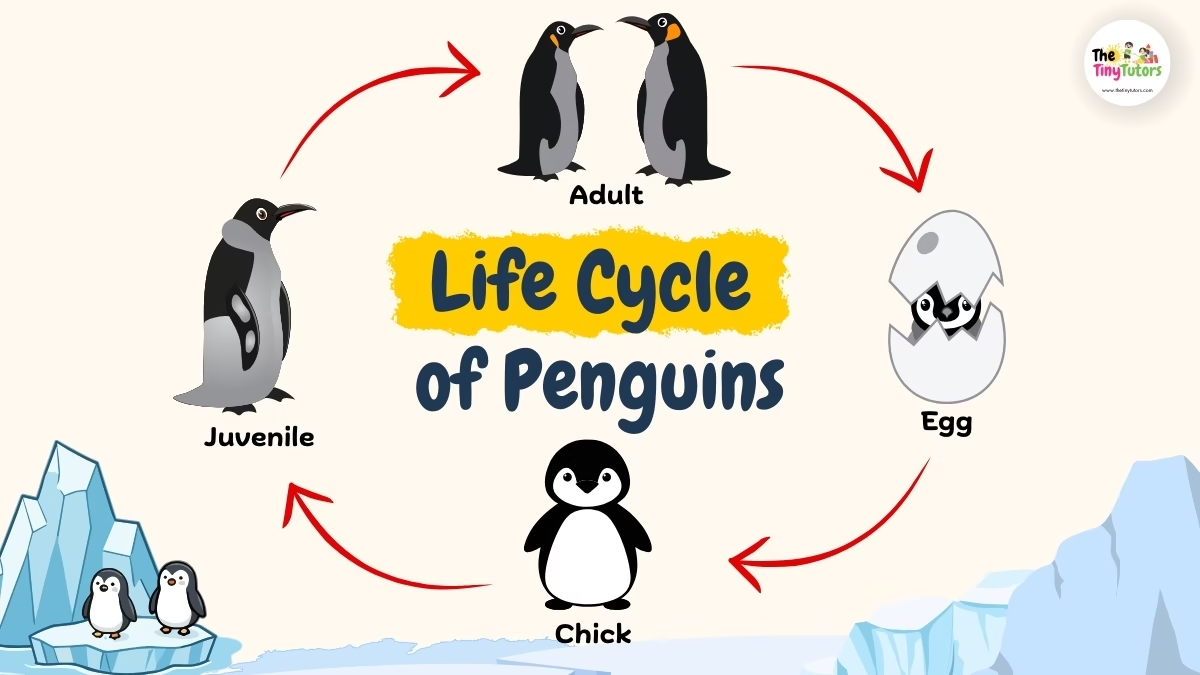
Penguins go through a fascinating life journey from egg to adult.
Stages of Life
-
 Egg – Most penguins lay 1-2 eggs. Parents take turns keeping them warm.
 -
Chick – Babies are born fluffy and rely on parents for food and protection.
-
Juvenile – Young penguins practice swimming and hunting skills.
-
Adult – Fully grown penguins breed, hunt, and raise their own chicks.
These birds’ life cycle teaches kids about growth, teamwork, and survival.
What Seasons Do Penguins Live In? ❄️🌞
These amazing birds live all year round, but their daily lives change depending on the season. They have unique ways to stay safe, warm, and happy whether it is freezing winter or sunny summer! ✨
Winter Life ❄️
During the cold winter months, these birds huddle together in large groups called colonies.
By pressing close to each other, they share body heat and stay warm even when temperatures drop far below freezing. Some species brave icy waters to hunt for fish, krill, and other sea creatures, showing how strong and clever they are in harsh conditions. 🌊💨
Summer Life 🌞
When summer arrives, it’s time for families to grow! This is the season when birds lay eggs and take care of their chicks.
Parents take turns keeping the eggs warm and feeding their babies once they hatch. The long summer days give chicks a chance to grow strong and practice swimming in the nearby water. 🥚👶
Seasonal Life Summary Table 📊
| Season | What They Do | Fun Fact |
|---|---|---|
| Winter ❄️ | Huddle for warmth, hunt in icy waters | Some birds can swim very fast under ice! |
| Summer 🌞 | Breed, lay eggs, and raise chicks | Baby birds learn to swim and find food |
By understanding how these birds adapt to different seasons, kids can see how clever and hardworking they are. From staying cozy in winter to taking care of families in summer, they show amazing teamwork and survival skills. 🐧💖
How These Birds Live (Lifestyle & Behavior)💫
These incredible birds are very social and love living with their friends and family. Most of them gather in large groups called rookeries, where hundreds or even thousands of birds come together. Living in colonies keeps them safe from predators, helps them stay warm, and allows them to take care of their eggs and chicks more easily. ❤️❄️
Fun Movements and Sliding on Ice ⛸️
One of the funniest things about these birds is how they move on ice. They slide on their bellies in a playful activity called tobogganing.
This isn’t just for fun—it helps them move faster while saving energy across slippery ice and snow. Some species also hop and waddle in cute ways that make them look like little dancers! 🩰🐾
Talking and Calling in the Colony 📣
Communication is very important in large groups. Birds use loud calls, squawks, and flapping wings to talk to each other. Every bird has a unique sound, almost like a secret name, which helps parents find their chicks among hundreds of other birds in a noisy colony.
Traveling for Food 🌊
Although they cannot soar through the sky, these amazing swimmers glide underwater like little rockets. Some travel long distances through the ocean to find food like fish, squid, and krill.
Their strong flippers help them glide gracefully underwater, almost like little rockets, showing how clever and hardworking they are. 🏊♂️💨
Lifestyle & Behavior Summary Table 📊
| Behavior | How It Helps | Fun Fact |
|---|---|---|
| Living in colonies | Safety, warmth, teamwork | Some rookeries have thousands of birds! |
| Tobogganing | Moves faster on ice | Looks like sliding for fun! |
| Unique calls & wing flaps | Helps parents find chicks | Each bird has a “secret name” |
| Swimming long distances | Finds food | Can dive deep underwater to catch fish |
By observing their lifestyle and behavior, kids can see that these birds are playful, clever, and highly social. They work together, communicate in unique ways, and adapt perfectly to their environment. ✨
What These Birds Eat in Winter and Summer 🐟
-
They feast on fish, squid, and tiny shrimp-like creatures called krill.
Penguins are carnivores, which means they eat mainly meat from fish and other sea creatures. This is different from herbivores that eat plants, or omnivores that eat both plants and animals.
-
Winter: Hunt deep underwater for bigger prey.
-
Summer: Feed chicks with small fish and krill.
-
Penguins swallow food whole and can hold their breath while diving.
 Conclusion:🐧✨
Penguins are not just cute—they are fun, clever, and amazing swimmers! 🏊♂️❄️ They slide on ice, huddle with friends to stay warm, and take care of their chicks in the coldest places on Earth.
Learning about these birds shows us how they work together, stay safe, and survive in different habitats. 🌍💖 Next time you see a penguin, remember—they’re tiny heroes of nature, full of surprises and fun! 🐧💫