
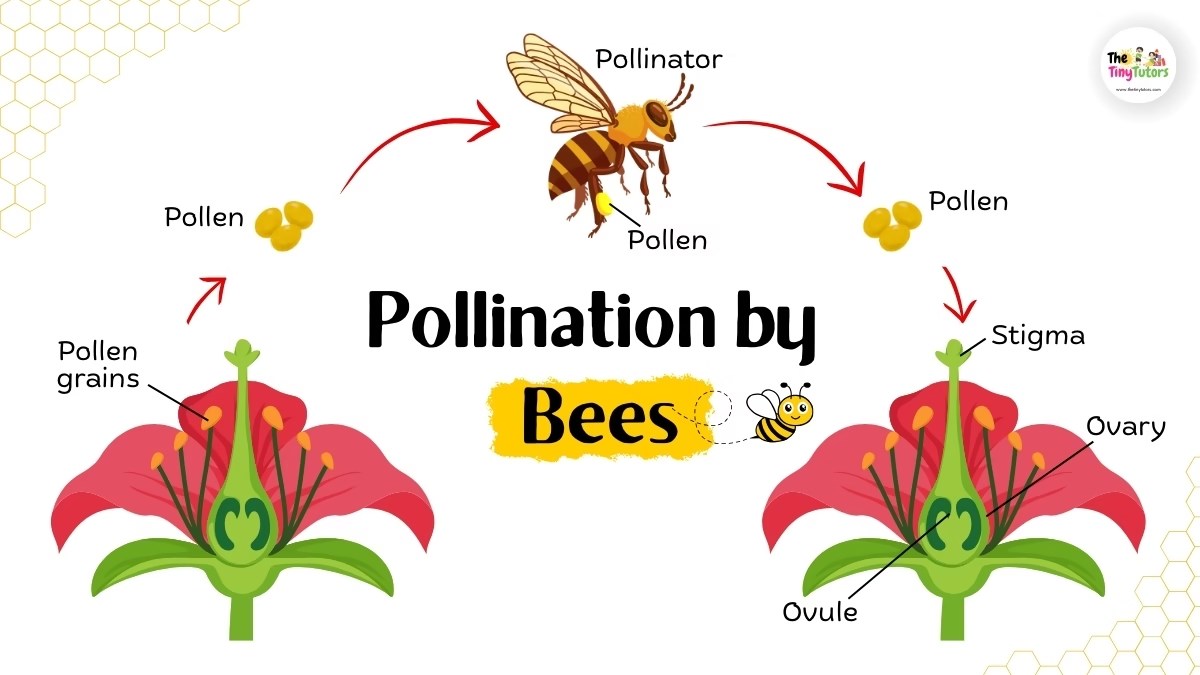
🌼 Pollination by bees is a magical process that helps flowers grow, fruits form, and gardens bloom. These tiny helpers are nature’s superheroes!
- 🐝 What Are Bees ✨
- 🌺 What Is Pollination?
- 🌱 Difference Between Pollination and Fertilization
- 🐝 What Is Pollination by Bees?
- 🌸🐝 How Do Bees Pollinate Flowers? (Step-by-Step for Kids)
- Types of Pollination by Bees 🌼
- Flowers and Plants Pollinated by Bees 🌸🐝
- 🌍 Why Bee Pollination Matters for Nature and People
- Fun Facts About Bee Pollination for Kids 🐝
- How Kids Can Help Bees 🌱
- Conclusion:🌸
- Frequently Asked Questions❓
Kids can learn how important bees are for plants, food, and the planet.
Let’s explore everything about pollination by bees 🌼🐝 in a fun and easy way!
🐝 What Are Bees ✨
Bees are small flying insects that collect nectar and pollen from flowers. Nectar is a sweet liquid that bees use to make honey. Pollen is a fine powder made by flowers.
Bees are social insects that work together inside organized colonies. Each bee has a special role, such as collecting nectar, protecting the hive, or caring for baby bees. You can also explore how bees live and cooperate inside a hive to understand their teamwork better.
While collecting nectar, bees accidentally carry pollen from one flower to another. This simple action plays a huge role in plant reproduction.
Why bees matter:
- They help plants make seeds.
- They help fruits and vegetables grow.
- They support wildlife and ecosystems.
- They contribute to food production worldwide.
Bees are not just honey-makers — they are essential pollinators. 🌸✨
🌺 What Is Pollination?
Pollination is when pollen moves from the stamen (the flower’s boy part) to the pistil (the girl part). This helps flowers make seeds so new plants can grow. More about pollination from the Food and Agriculture Organization
Did you know?
Experts at the FAO explain that animal pollinators support most of the world’s crop plants and help link nature with food production worldwide.
Simple Explanation for Kids 🧒👧
Pollination happens when pollen from one flower sticks to another flower’s special part called the pistil. This is an important step that helps plants grow.
Bees act like nature’s delivery service. As they fly from flower to flower, they carry tiny grains of pollen on their bodies. When the pollen reaches another flower, it helps the plant produce seeds and fruits.
So, the next time you see a bee buzzing around a flower, remember — it’s doing an amazing job! Bees help make the world more colorful and full of the delicious food we enjoy every day.✅
🌼 Why Flowers Need Pollinators? 🐝 🍯
Flowers cannot make seeds or fruits all by themselves. They need pollinators, like bees, to carry pollen from one flower to another.
Think of it like baking a cake:
Pollen is the sugar,
Bees are the little helpers,
and the flowers are waiting to become the final, delicious treat!
Without bees, many flowers would struggle to grow. That means we would miss out on fruits, nuts, and seeds that make our gardens and meals so wonderful.
🌸 Simple Explanation of Flower Parts
| Flower Part | Function | Emoji |
|---|---|---|
| Stamen | The pollen-making part | 🌼 |
| Pistil | The part that receives pollen | 💛 |
| Petals | Bright colors that attract bees | 🌸 |
| Nectar | Sweet juice that bees love | 🍯 |
Pollination happens when pollen moves from a flower’s stamen to its pistil, so new seeds and fruits can grow.
🌱 Difference Between Pollination and Fertilization
Many children confuse these two terms. Here is a clear difference:
Pollination: Pollen moves from stamen to pistil
Fertilization: Seeds start to grow after pollen reaches pistil
Examples Kids Can Understand
Bees visiting an apple blossom
A butterfly touching a daisy
✅ Example: A bee lands on a sunflower, collects pollen, and helps another sunflower grow seeds.
🐝 What Is Pollination by Bees?
Pollination by bees 🐝 happens when bees carry pollen from one flower 🌺 to another, helping plants grow seeds and fruits. This is nature’s way of making sure flowers 🌸 can produce new plants and yummy fruits for us and animals.
Pollination by Bees Is Called Mellitophily✨:
There’s a special word for it—mellitophily! 🐝💛 It’s a fancy word that simply means bees are helping flowers make seeds and fruits 🍓. So whenever you see a bee buzzing around a flower , it’s actually doing mellitophily, which is just a fun way of saying it’s helping the flower grow.
🌸🐝 How Do Bees Pollinate Flowers? (Step-by-Step for Kids)
Let’s follow a tiny bee on her big adventure!
Buzzing Bella the Bee woke up one sunny morning feeling hungry. She wanted to find some sweet nectar, so she flew to a bright, cheerful sunflower.
The Process of Bees Visiting Flowers:
Flying to the Flower
Bella zoomed through the air, flapping her little wings as she searched for the perfect flower full of nectar.Landing and Collecting Nectar
When she landed on the petals, Bella carefully dipped her tongue into the flower to sip the delicious nectar.Pollen Sticks to Her Fuzzy Body
As she moved around, tiny yellow pollen grains stuck to her soft, fuzzy body.Flying to Another Flower
After gathering nectar, Bella buzzed over to another flower, carrying pollen that would help the next bloom grow healthy seeds.Spreading the Pollen
When Bella landed on the next flower, some of the pollen rubbed off onto the pistil—the part of the flower that helps make seeds.Seeds Start to Grow
The pollen helps the flower make seeds, so new baby plants can grow.Flowers Turn into Fruits!
Soon, the flowers change into fruits, full of seeds, ready to grow into new plants.
🌼 Child-Friendly Tip: Think of bees like tiny gardeners helping flowers grow! This is an amazing example of pollination by bees, which is when pollen moves from one flower to another.
Types of Pollination by Bees 🌼
Natural Pollination vs Assisted Pollination
Natural: Bees visit flowers on their own
Assisted: People help bees or use tools
Self-Pollination vs Cross-Pollination
Self-Pollination: Pollen moves inside the same flower
Cross-Pollination: Pollen moves to another flower
Types of Pollination by Bees
Honey bee pollination
Bumblebee pollination
Solitary bee pollination
Bees are amazing because they can help plants grow in so many different ways. 🌸🐝
Flowers and Plants Pollinated by Bees 🌸🐝
Bees travel from flower to flower in search of nectar, and during these visits, they help many plants grow properly. Some plants cannot produce healthy fruits unless bees stop by their flowers.
From colorful garden blooms to the fruits in our lunchboxes, many plants quietly depend on these buzzing visitors.
Common Flowers Pollinated by Bees
Bees are especially attracted to flowers that are colorful and full of nectar. Some common examples include:
- Sunflowers 🌻
- Daisies 🌼
- Marigolds 🌺
- Lavender 💜
These flowers use bright petals and sweet scents to invite bees. When bees land on them, the flowers get the help they need to continue growing and producing seeds.
🍎 Fruits and Vegetables That Rely on Bee Visits
Many of the foods we eat begin as small flowers. Without regular bee visits, these plants may produce fewer or smaller fruits.
Some important examples are:
- Apple trees 🍏
- Almond trees 🌰
- Pumpkin plants 🎃
- Strawberries 🍓
- Watermelons
- Cucumbers 🥒
When bees move between the blossoms of these plants, fruit development becomes stronger and more complete. A well-pollinated plant often grows better-shaped and tastier produce.
📊 How Much of Our Food Needs Pollinators?
Scientists estimate that a large portion of the world’s crops depend on pollinators like bees.
| Food Item | Approximate Dependence on Pollinators |
|---|---|
| Berries | 90% |
| Apples | 85% |
| Watermelons | 75% |
This means many of our favorite fruits would be harder to grow without bee activity in farms and gardens.
🌍 Why Bee Pollination Matters for Nature and People
Bee pollination supports life far beyond gardens and farms.
When plants grow successfully, they provide food and shelter for birds, insects, and small animals. Healthy plant growth keeps forests, parks, and natural habitats balanced.
Scientists estimate that a large portion of global food crops depend on pollinators. This shows how closely our food system is connected to bee activity.
Protecting bees means protecting biodiversity, wildlife habitats, and the balance of nature itself.
Fun Facts About Bee Pollination for Kids 🐝
Bees have a special dance to tell friends where flowers are.
Bees can smell flowers from far away.
Bees can fly up to 15 miles per hour.
✅ Extra Notes: Pollination by bees helps plants grow and keeps nature colorful.
How Kids Can Help Bees 🌱
Grow a small pollinator garden
Plant bee-friendly flowers like lavender or sunflowers
Keep water bowls for bees
Avoid using chemicals in your garden
Protect bee habitats
✅ Fun Tip: Even a tiny flower pot can help hundreds of bees!
Conclusion:🌸
Bees are truly tiny heroes of nature! 🌟 Their important role in pollination by bees helps flowers bloom, seeds grow, and keeps our food supply healthy and plentiful.
Without these buzzing helpers, many of the fruits, vegetables, and beautiful flowers we enjoy would not grow as easily.
Kids can become little bee-protectors too! You can help by:
Planting bright and colorful flowers
Placing a small bowl of clean water in your garden
Learning more about how bees live and work together
Even small actions can make a big difference in keeping bees safe and nature full of life.
🌼Mini Call-to-Action for Kids
The next time you read something interesting about insects, try sharing it with your friends. You can also plant a flower and watch the magic of pollination by bees happen right in front of you.
Now it’s your turn to be a tiny helper and support these amazing little heroes!
Frequently Asked Questions❓
Q1: What is pollination by bees called❓
A1: Pollination by bees is called mellitophily. It happens when bees carry pollen from one flower to another, helping flowers grow seeds and fruits.
Q2: How does a bee pollinate a flower❓
A2: Bees collect pollen on their fuzzy bodies while visiting flowers. When they fly to another flower, the pollen rubs off onto the pistil, helping the flower grow seeds and eventually fruits.
Q3: How important are bees in pollination❓
A3: Bees are very important! They help pollinate about 75% of global crops and countless flowers, making sure plants, food, and ecosystems stay healthy.
Q4: How do bees make flowers grow❓
A4: By moving pollen from flower to flower, bees help plants produce seeds and fruits. Without bees, many flowers and crops would grow poorly or not at all.
Q5: What is pollination in simple words for kids❓
A5: Pollination is when pollen moves from one flower to another. This helps new plants, fruits, and seeds grow so nature can stay colorful and full of life.
Q6: Can flowers grow without bees❓
A6: Some flowers can grow without bees using wind, water, or other insects to move pollen. However, many fruits, vegetables, and garden flowers rely on pollination by bees to grow healthy seeds and fruits. Without bees, these plants would produce fewer flowers and less food.
Q7: What would happen if all bees disappeared❓
A7: If all bees disappeared, many flowers and crops wouldn’t get pollinated. This would lead to fewer fruits, vegetables, and nuts for humans and animals, and ecosystems like gardens, forests, and farms would lose their color and balance. Pollination by bees is essential to keep nature and food supplies healthy.