
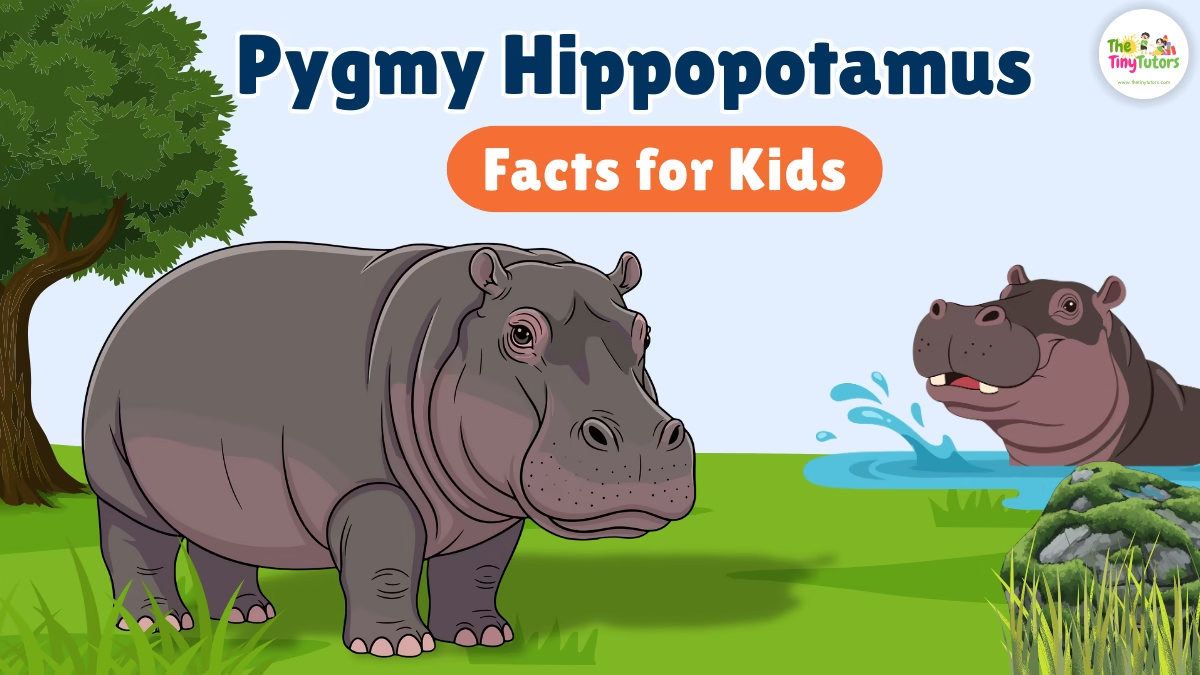
The pygmy hippopotamus is a small, shy hippo found in the dense forests and quiet rivers of West Africa. These pygmy hippopotamus facts for kids reveal how they live mostly at night, quietly exploring the forest floor and eating leaves, fruits, and roots. Unlike common hippos, they are very quiet, communicating with soft grunts and whistles. 🦛
- What Is a Pygmy Hippopotamus? 🦛
- Types of Hippos : Big and Pygmy 🌍
- 🦛 Pygmy Hippopotamus Facts for Kids 📝
- Pygmy Hippopotamus Habitat 🌳
- Pygmy Hippopotamus Size 📏
- What Do Pygmy Hippos Eat? 🥬
- Pygmy Hippos vs Big Hippos: Who’s Who? 🐾
- How Do Pygmy Hippos Stay Safe? 🛡️
- The Shy and Quiet Pygmy Hippos 🤫
- Meet the Baby Pygmy Hippos! 🍼
- Why Are Pygmy Hippos So Special? 🌟
- How Can Kids Help Save Pygmy Hippos? 💚
- FAQs About Pygmy Hippos ❓
Fun Fact: Even though they are small, pygmy hippos can hide so well that people rarely see them in the wild! 🌳
What Is a Pygmy Hippopotamus? 🦛
The pygmy hippopotamus, scientifically called Choeropsis liberiensis, is one of the rarest hippos in the world.
They are much smaller than common hippos and prefer living in forests and slow-moving rivers rather than large lakes.
These shy animals are mostly active at night, which helps them stay safe from predators.
To learn how different animals survive and adapt at night or in winter, see animals that hibernate and how they stay safe.
Types of Hippos : Big and Pygmy 🌍
There are two main types of hippos in the world, and both are fascinating in their own way.
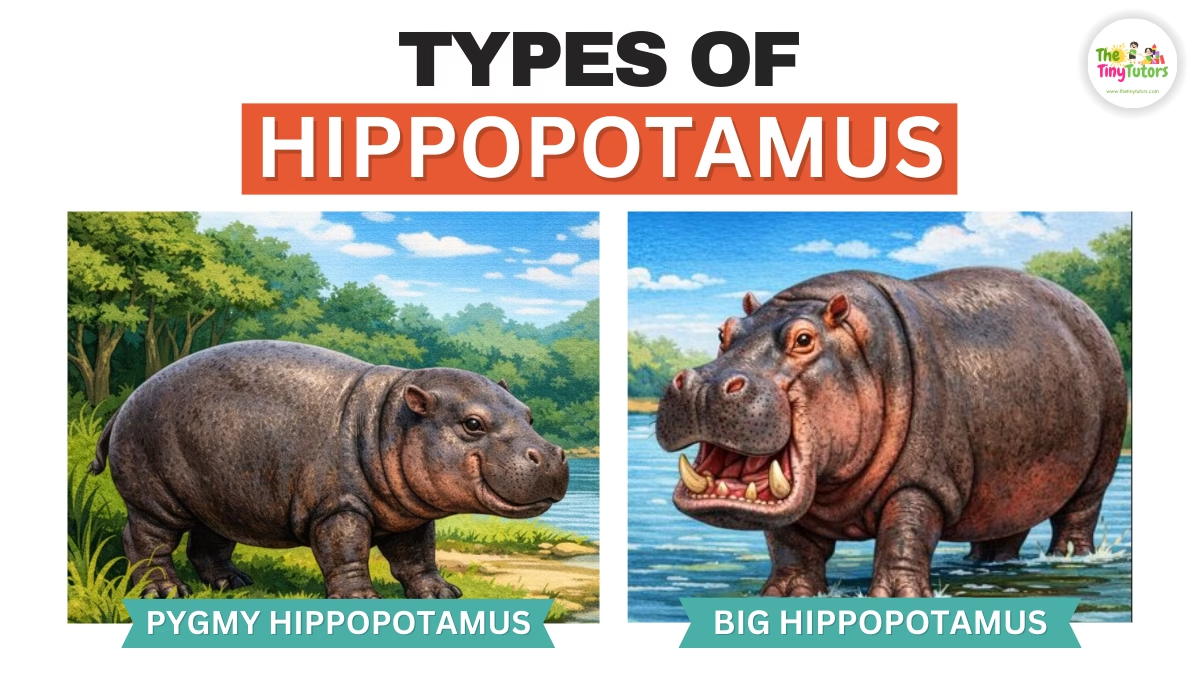
| Feature | Pygmy Hippo | Common Hippo |
|---|---|---|
| Size | 4–5 feet long | 10–16 feet long |
| Weight | 400–600 pounds | 3,000–4,000 pounds |
| Habitat | Forests & small rivers | Big rivers & lakes |
| Behavior | Mostly solitary, shy | Social, loud, lives in pods |
| Teeth | Small, for leaves | Huge, for fighting |
| Speed | 4–5 mph, quiet swimmer | 19 mph, strong swimmer |
| Sounds | Soft grunts & whistles | Loud roars & bellows |
Learning pygmy hippopotamus facts is exciting because it shows how animals in the same family can have very different lifestyles. While the big hippo likes social life and open waters, the pygmy hippo lives a secret forest life, moving quietly through the trees and streams at night.
Fun Visualization for Kids: Imagine walking in a forest at night and spotting a tiny, shy hippo tiptoeing through the trees—that’s your pygmy hippo in action! 🌙
🦛 Pygmy Hippopotamus Facts for Kids 📝
Here’s a fun and easy-to-remember table full of pygmy hippopotamus facts for kids:
| Fact | Detail |
|---|---|
| Size | 4–5 feet long (about the length of a small sofa 🛋️) |
| Weight | 400–600 pounds (like 3–4 kids stacked together 🧒🧒🧒) |
| Lifespan | Around 30–35 years (longer than many pets!) |
| Diet | Leaves, fruits, roots, and small plants 🌿🍌 |
| Habitat | Dense rainforests & quiet rivers in West Africa 🌳💧 |
| Scientific Name | Choeropsis liberiensis |
| Fun Ability | Can hold their breath underwater for up to 5 minutes! 🏊 |
Cool Fact for Kids: Even though they are small compared to common hippos, pygmy hippos are excellent swimmers and explorers. They quietly wander through forests at night, making them like tiny forest superheroes! 🦛🦸♂️
Pygmy Hippopotamus Habitat 🌳
Pygmy hippopotamus facts tell us these shy animals live mostly in West Africa, including Liberia, Sierra Leone, Guinea, and Ivory Coast. They love dense, shady forests and slow-moving rivers, where the water stays cool and there are plenty of plants to nibble on.
Like many interesting animals you’ll discover—such as birds with unique habitats—learn about the habitat, diet, and fun facts of pelicans too for more animal exploration.
Fun Details for Kids:
- They enjoy muddy riverbanks to cool off during the hot daytime ☀️.
- Some pygmy hippos live in Sapo National Park in Liberia, which is like a giant jungle playground full of hidden paths and secret pools! 🌿
- Unfortunately, their homes are shrinking because of deforestation and human activity, so they need quiet, safe forests to survive.
Tip: Imagine a tiny hippo tiptoeing through leafy forest paths, ducking under branches, and splashing quietly in a small stream—this is a day in the life of a pygmy hippo! 🌙
Pygmy Hippopotamus Size 📏
Pygmy hippos are much smaller than their giant cousins, Here are some cool pygmy hippopotamus facts about their size—perfect for kids to imagine them in the forest. But kids can still picture their size with fun comparisons:
- Height: About as tall as a 4–5-year-old kid 🧒
- Length: Around the size of a small refrigerator 🧊
- Weight: 400–600 pounds (like stacking 3–4 school backpacks 🏫)
Fun Size Comparison:
- Average pygmy hippo ≈ 4 school backpacks
- Giant common hippo ≈ 25 school backpacks! 😲
Even though they are small, pygmy hippos are strong and excellent swimmers, and their compact size allows them to move quietly through forests without being noticed.
Fun Visualization for Kids: Picture a tiny hippo tiptoeing through a muddy forest path—small enough to hide but big enough to make a splash when it jumps in the water! 💦
What Do Pygmy Hippos Eat? 🥬
These interesting pygmy hippopotamus facts show that they are vegetarian munchers, feeding on leaves, fruits, and aquatic plants:
- Leaves 🍃 – soft, tender, and easy to chew.
- Fruits 🍌 – they love fallen fruits from trees.
- Roots & shoots 🌱 – found while wandering the forest floor.
- Aquatic plants 💧 – Along rivers, pygmy hippos snack on plants that thrive in wet, watery environments.
Fun Eating Habits:
- They feed mostly at night to stay safe and hidden. 🌙
- Pygmy hippos use their strong teeth to tear leaves and small branches into bite-size pieces.
- Their diet can change slightly with the seasons—more fruits in the wet season and more leaves in the dry season.
Tip for Kids: Imagine a pygmy hippo quietly munching leaves while a firefly lights up the night around it—nature’s tiny dinner show! ✨
Pygmy Hippos vs Big Hippos: Who’s Who? 🐾
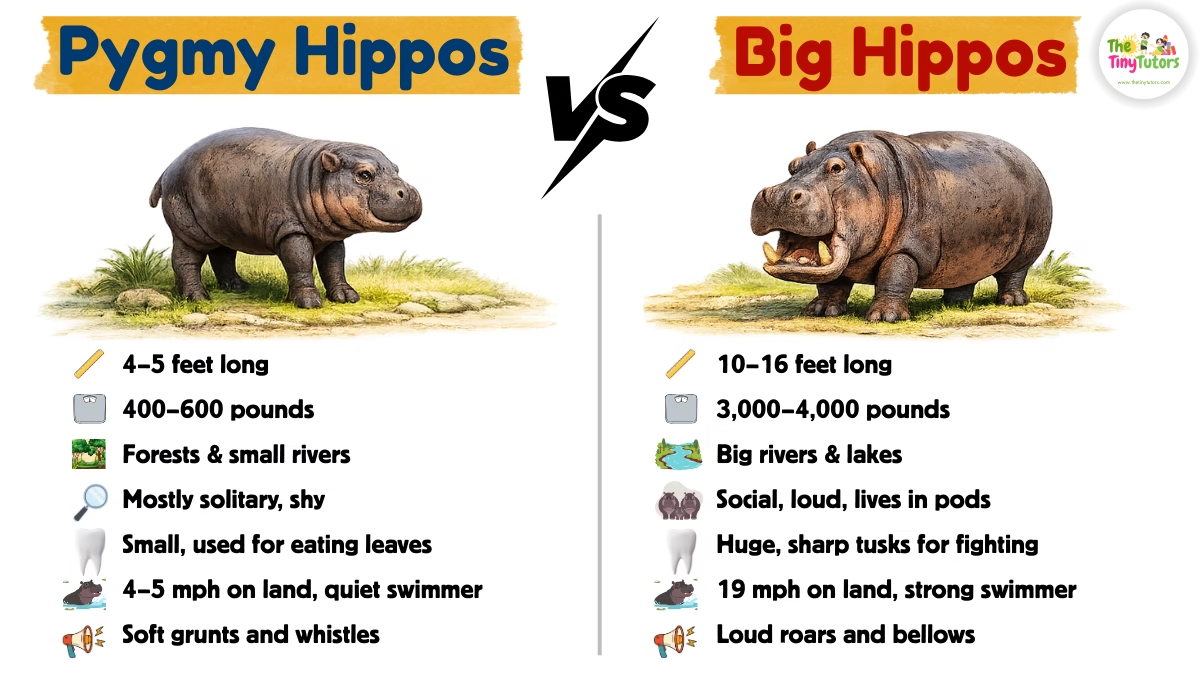
Kids love comparing pygmy hippos with their giant cousins! Here’s a fun table to make it easy:
| Feature | Pygmy Hippo | Common Hippo |
|---|---|---|
| Size | 4–5 feet long | 10–16 feet long |
| Weight | 400–600 pounds | 3,000–4,000 pounds |
| Habitat | Forests & small rivers | Big rivers & lakes |
| Behavior | Mostly solitary, shy | Social, loud, lives in pods |
| Teeth | Small, used for eating leaves | Huge, sharp tusks for fighting |
| Speed | 4–5 mph on land, quiet swimmer | 19 mph on land, strong swimmer |
| Sounds | Soft grunts and whistles | Loud roars and bellows |
Fun Fact: Big hippos can run faster than a racehorse for short distances! 🏇 But pygmy hippos are like tiny forest ninjas—moving quietly and carefully through thick trees at night. Learning pygmy hippopotamus facts helps kids understand that even animals from the same family can have very different lifestyles and skills.
How Do Pygmy Hippos Stay Safe? 🛡️
Even though pygmy hippos are smaller than common hippos, they have smart survival skills:
- Hide and swim: When danger approaches, they slip silently into rivers or mud to stay hidden. 🏊
- Scent marking: They leave smell trails on forest paths to warn other hippos. 🌿
- Predators to watch: Leopards, crocodiles, and humans are their main threats. 😮
- Quiet and shy: Being mostly nocturnal helps them avoid being seen.
Story for Kids: Once, a little pygmy hippo heard a leopard nearby. Instead of running loudly, it quietly slipped into a river and held its breath underwater until the coast was clear. Survival is all about being clever! 🦛
The Shy and Quiet Pygmy Hippos 🤫
These pygmy hippopotamus facts show that they are shy forest introverts, unlike loud and social common hippos.
- Daily routine: Sleep during the day in mud or dense trees. Walk quietly at night to find food. 🌙
- Playtime: Occasionally, they splash in small rivers or play in mud pools.
- Mating season: Pygmy hippos are shy lovers—they usually meet quietly, communicate softly, and return to their solitary paths afterward.
- Personality: Each pygmy hippo has its own routine, favorite resting spots, and preferred hiding places.
Fun Fact: Even though they are shy, they are excellent explorers—slipping through forests without making a sound! 🌿
Meet the Baby Pygmy Hippos! 🍼
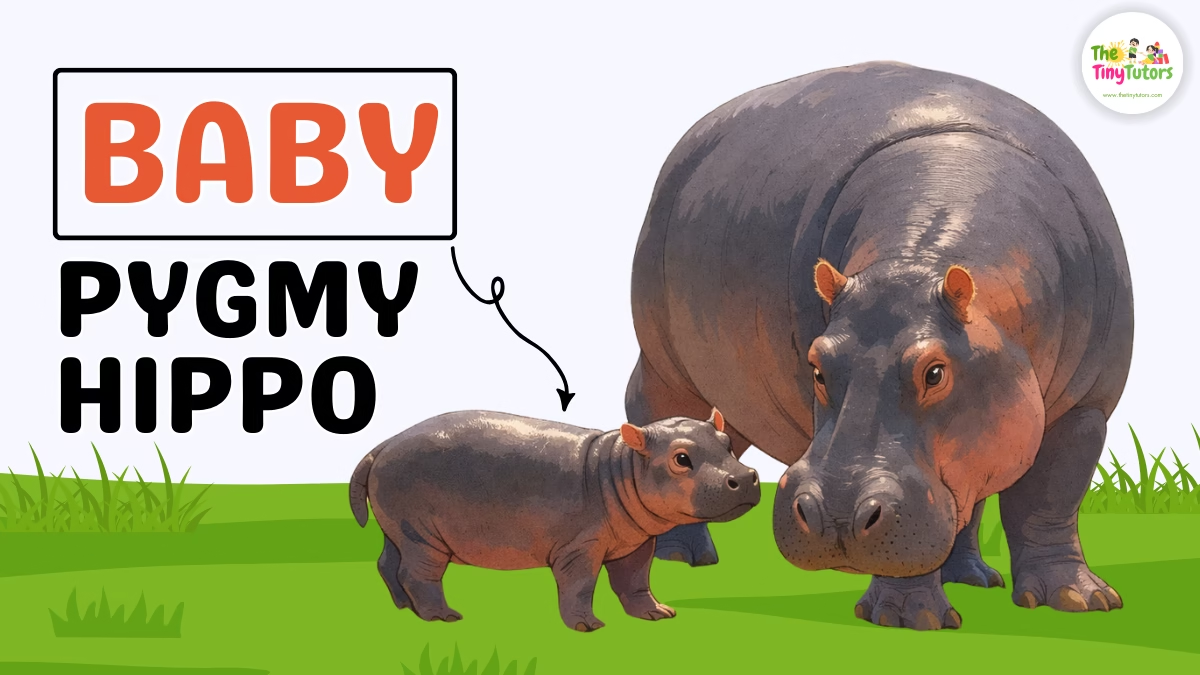
Baby pygmy hippos are adorable forest adventurers. Here’s what makes them special:
At birth: Weigh 10–15 kg (like a medium dog 🐕) and can swim within hours!
Growth stages:
1 month – follows mom closely and learns to find safe hiding spots.
6 months – starts exploring small streams and forest paths.
1 year – can move independently but still stays near mom for safety.
Playtime: They love splashing in shallow water and nudging each other softly.
Learning survival: Baby hippos learn which plants are safe to eat and where predators hide.
Fun Visualization for Kids: Imagine a tiny hippo waddling behind its mom through a muddy forest path, discovering every leaf and splash along the way—cute, curious, and careful! 🦛💦
Why Are Pygmy Hippos So Special? 🌟
Here are some amazing pygmy hippopotamus facts that make them unique:
They are one of the rarest hippos in the world 🌎
Can walk quietly on land or swim effortlessly in water 💦
Solitary lifestyle makes them mysterious 🕵️♂️
Their small size allows them to live in dense forests, unlike big hippos
Example: Efforts to protect hippos and similar species are ongoing — visit this World Wildlife Fund hippo conservation overview to learn how habitat loss affects wildlife.
How Can Kids Help Save Pygmy Hippos? 💚
Kids can make a difference! 🌱
Learn & share pygmy hippopotamus facts with friends
Support wildlife conservation by donating to safe organizations
Avoid products that harm forests (like illegal logging)
Create awareness posters or school projects 🖍️
Even small actions help protect these shy creatures.
FAQs About Pygmy Hippos ❓
Q1: Can pygmy hippos swim?
A1: Yes! They love water and can swim silently in rivers.
Q2: Are pygmy hippos dangerous?
A2: Rarely—they are shy, but if threatened, they can bite to defend themselves.
Q3: How long do they live?
A3: Around 30–35 years in the wild.
Q4: Can pygmy hippos talk like big hippos?
A4: No, they are quiet and communicate mostly with soft grunts.
Q5: Where do pygmy hippos live?
A5: Dense forests and rivers in West Africa, like Liberia and Sierra Leone.