

Have you ever wondered how reptiles grow from tiny eggs into full-grown adults ? Learning about the Reptile Life Cycle is exciting for kids , parents , and teachers alike! This guide will take you on a fun journey through the life of different reptiles like house lizards , bearded dragons , turtles , geckos , snakes , and crocodiles .
Understanding the Reptile Life Cycle helps kids learn about nature , animals , and how life develops in a simple, visual way. From hatching eggs to watching reptiles grow into adults , every stage is fascinating ✨!
If your kids love learning about Insects too, you can also explore our helpful guide on Complete vs Incomplete Metamorphosis: How Insects Change Their Shape to learn even more.
 What Is the Life Cycle of a Reptile?
 What Is the Life Cycle of a Reptile?
The Reptile Life Cycle is the journey a reptile takes from an egg to a mature adult. Most reptiles go through four main stages:
- Egg
- Hatchling
- Juvenile
- Adult
 Egg
EggReptiles are different from mammals because many of them lay eggs, though some give birth to live young. Their growth is slower, and they rely on external heat to regulate their body temperature.
Fun Fact: Some reptiles, like crocodiles , can live more than 70 years!
Stages of the Reptile Life Cycle (From Eggs to Adults) ➡️➡️➡️
The Reptile Life Cycle is the amazing journey of reptiles from tiny eggs to full-grown adults. Each stage is fascinating, and kids love learning through stories, pictures, and fun facts.
Stage 1: Egg
 Stage 1: Egg
- Reptile eggs come in different shapes and sizes. Some, like house lizard eggs, are tiny and hidden in walls, while turtle eggs are round and soft, often buried in sand.
- Eggs are carefully protected by the parent or hidden in safe places.
- Fun Fact: Crocodile mothers guard their eggs fiercely, unlike most other reptiles!
Activity Idea: Kids can draw the egg of their favorite reptile and color it!
Stage 2: Hatchling
- Hatchlings are tiny versions of adults. They often look fragile but are ready to explore the world.
- Gecko hatchlings can climb walls immediately, while bearded dragon hatchlings start hunting small insects.
- Question for kids: Can you imagine a baby turtle finding the way to the ocean all alone?
Fun Fact: Some snakes are born live and skip the egg stage entirely!
Stage 3: Juvenile
- Juveniles grow quickly but are not yet mature. They learn survival skills like hunting, climbing, and hiding.
- Example: House lizards start exploring walls, and turtles slowly make their way to ponds or rivers.
Table: Juvenile Traits Across Reptiles
| Reptile | Juvenile Size | Activity | Fun Fact |
|---|---|---|---|
| House Lizard | 2–3 cm | Climbing walls | Can drop tail to escape predators |
| Bearded Dragon | 7–10 cm | Eating insects | Can change color slightly |
| Turtle | 3–5 cm | Crawling to water | Tiny turtles have to avoid birds |
| Gecko | 2–4 cm | Climbing walls ♂️ | Can stick to smooth surfaces |
| Snake | 15–20 cm | Slithering to hunt | Some are venomous ⚠️ |
| Crocodile | 20–30 cm | Protected by mother | Mothers carry hatchlings to water |
Stage 4: Adult
- Adults are fully grown and ready to reproduce.
- Example: Crocodiles can live over 70 years, while house lizards usually live 1–2 years.
- Fun Fact: Adult lizards shed their skin regularly to grow!
Reptile Reproduction: Do Lizards Lay Eggs?
Most reptiles lay eggs , but a few, like some snakes and lizards , give live birth .
- Egg-laying reptiles : Turtles , geckos , house lizards
- Live-bearing reptiles : Some lizards and snakes
House lizards lay small eggs hidden under walls , while bearded dragons lay their eggs in sandy soil ️. This stage is critical for the Reptile Life Cycle because the survival of hatchlings depends on safe egg-laying .
Life Cycle of a Lizard / Detailed Reptile Examples
House Lizard Life Cycle
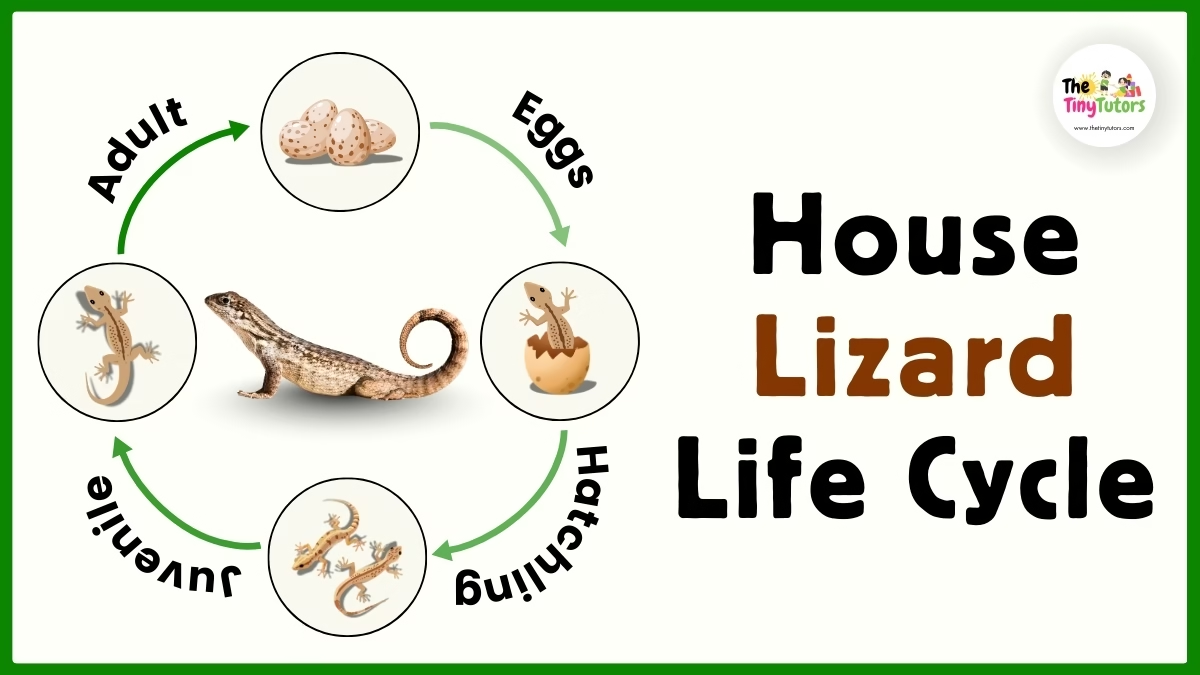
- Eggs are hidden under walls or leaves
- Hatchlings are tiny and climb immediately ♂️
- Juveniles explore walls and catch insects
- Adults reproduce and may live 1–2 years
Fun Fact: Can regrow tail if caught by predators !
Bearded Dragon Life Cycle
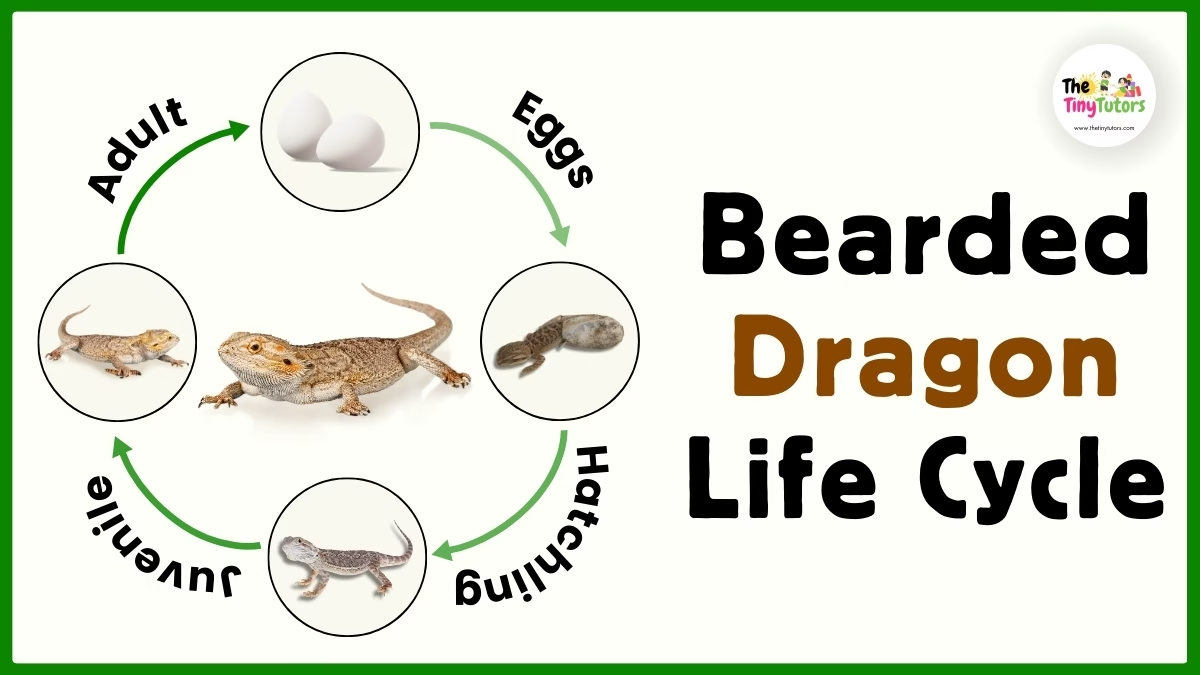
- Eggs laid in sandy soil ️
- Hatchlings hunt small insects
- Juveniles grow fast
- Adults can reach 24 inches and live 10–15 years
Turtle Life Cycle
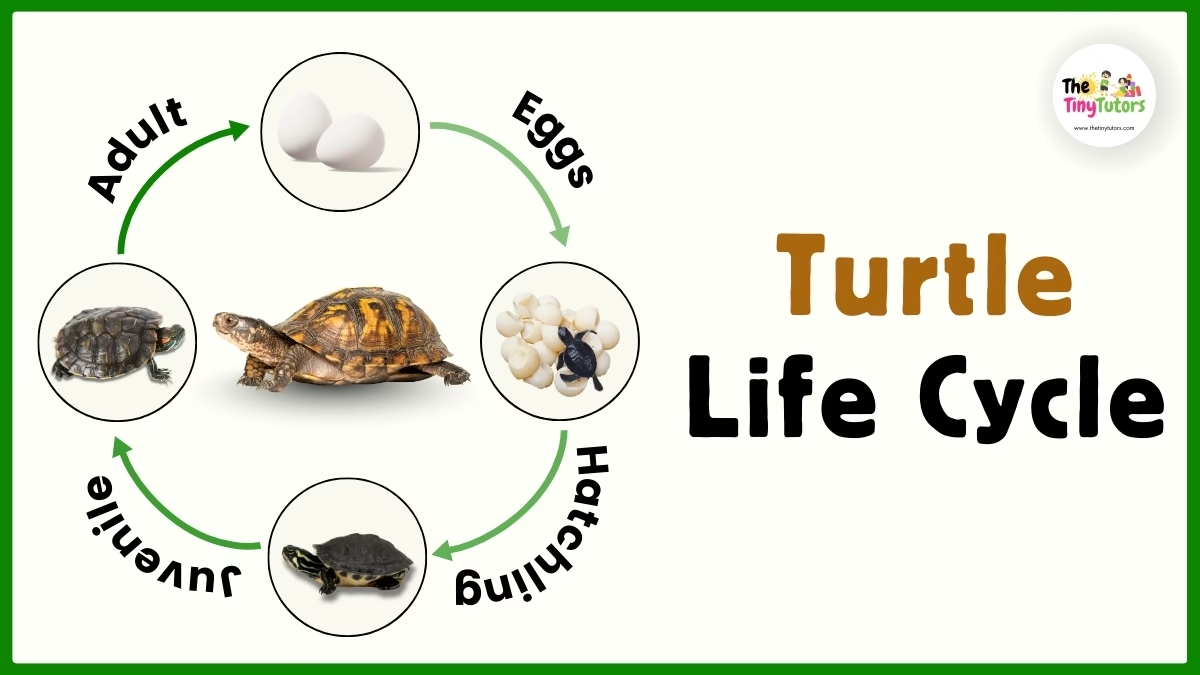
- Eggs laid on sandy beaches ️
- Hatchlings crawl to the ocean
- Juveniles swim and hunt
- Adults live 50–100 years
Gecko Life Cycle
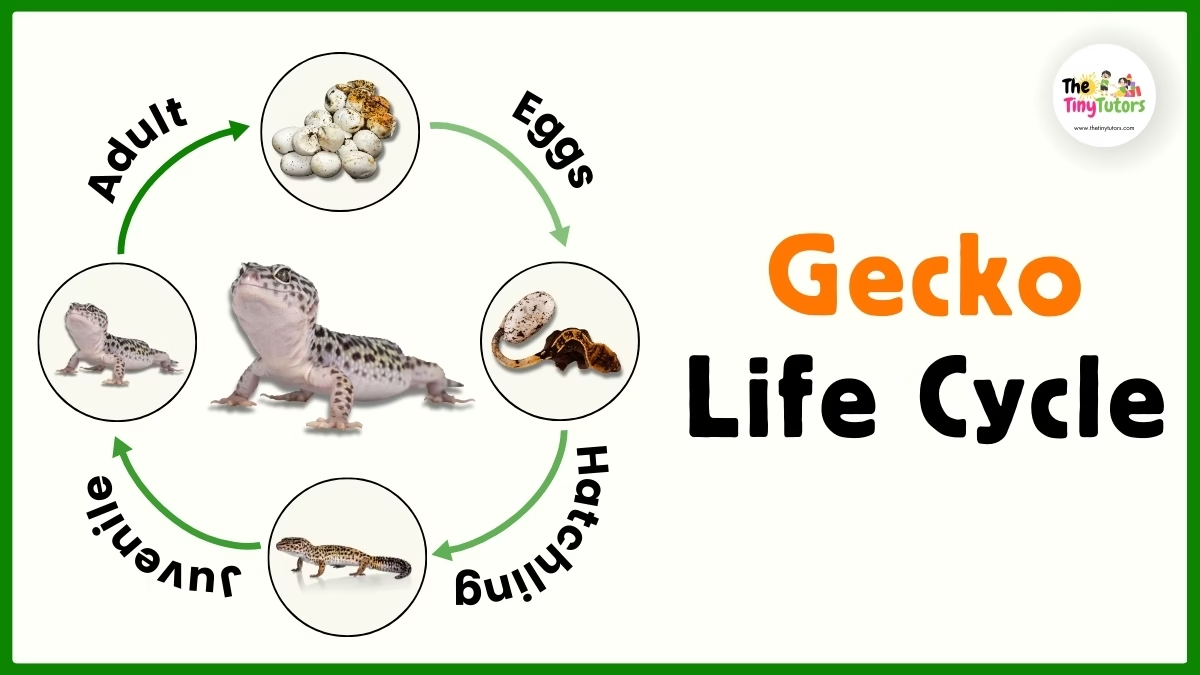
- Eggs are sticky and hidden
- Hatchlings climb walls ♂️ instantly
- Juveniles start hunting insects
- Adults shed skin ✨ to grow
Snake Life Cycle
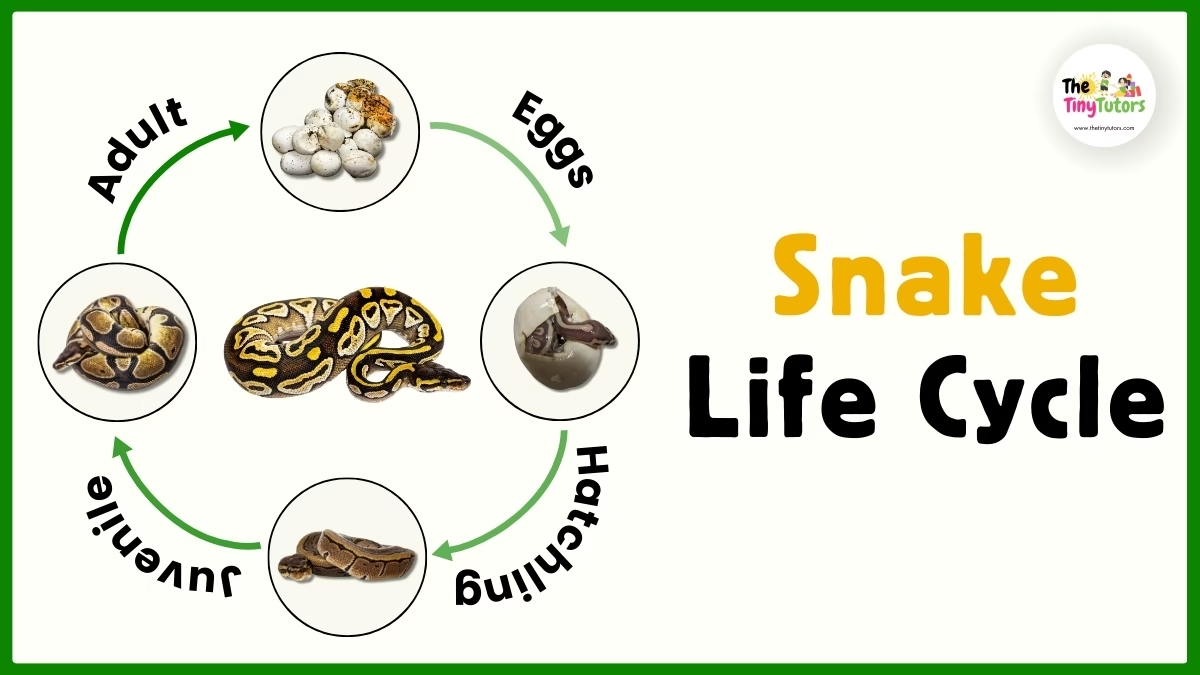
- Some lay eggs , some give live birth
- Hatchlings start hunting immediately
- Juveniles grow gradually
- Adults may live 10–20 years depending on species
Crocodile Life Cycle
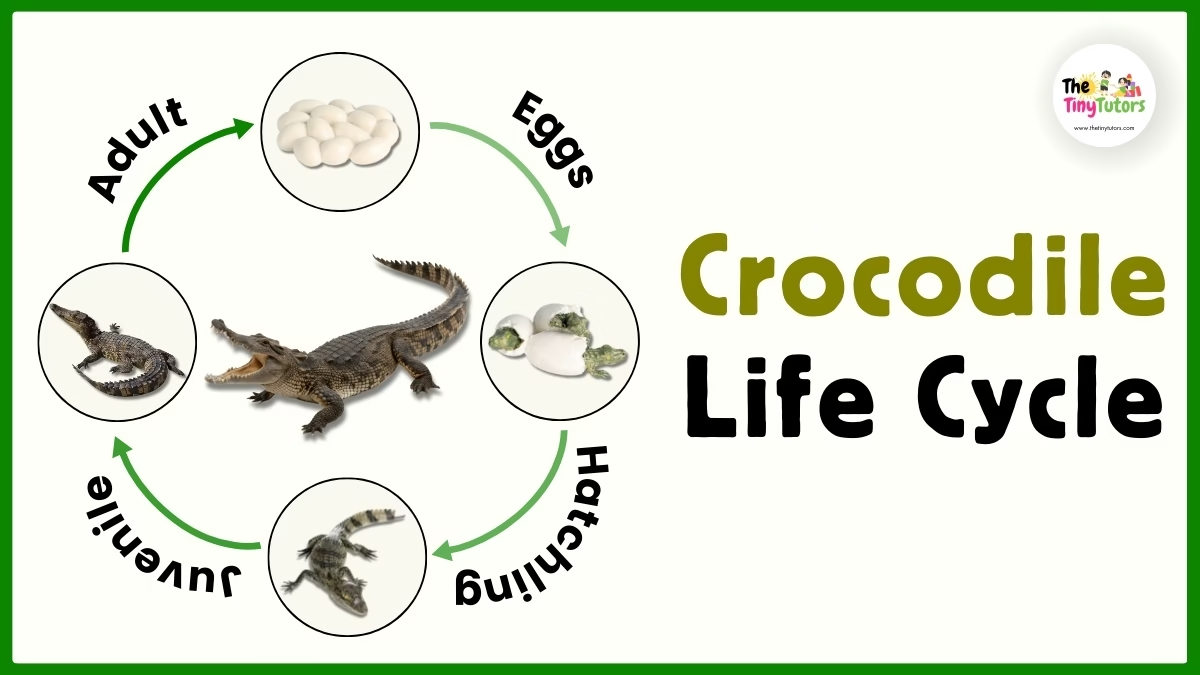
- Eggs buried in mud or sand
- Hatchlings protected by mother
- Juveniles start hunting small fish
- Adults live decades and reproduce
Activity Idea: Kids can draw ✏️ a timeline ️ of their favorite reptile’s life cycle ➡️➡️➡️
Reptile Life Cycle Diagrams:
Visuals ️ help kids understand the Reptile Life Cycle better . Here are some ideas:
- Step-by-step diagram of house lizard life cycle: Egg → Hatchling → Juvenile → Adult
- Bearded dragon life cycle diagram with arrows ↗️ and colorful labels
- Turtle and gecko life cycle PDFs for download or classroom printing ️
Interactive idea: Kids can draw ✏️ their own diagram and label each stage ️.
Fun Tip: Use bright colors and arrows ↗️ to show movement from egg to adult .
Reptile Life Cycle for Kids
Kids love stories, so here’s a story-style version of the Reptile Life Cycle for all ages:
Once upon a time, a tiny turtle egg was hidden under the sand. When it hatched, the baby turtle crawled towards the ocean. Nearby, a little gecko emerged from its egg and climbed a wall. A baby bearded dragon dug its way out of sandy soil, while a small house lizard peeked from a crack in a wall. Each of these young reptiles is part of the amazing Reptile Life Cycle!
Interactive Ideas:
- Spot the eggs : Show pictures of reptile eggs and ask kids to identify which belongs to which reptile
- Color the hatchlings : Provide outlines ️ of turtle , gecko , and lizard hatchlings
- Mini quiz ❓: “Which reptile can climb walls ♂️ immediately after hatching ?”
Lizard Lifespan & Growth ⏳
- Lizard lifespan : varies from 1-2 years ️ (small lizards ) to 20 years (bearded dragons )
- Growth happens slowly with shedding of skin ✨
- Fun Fact: Some lizards can lose their tails to escape predators !
Lizard Breeding Season in India
Lizards in India have a fascinating Reptile Life Cycle. Knowing when and where they lay eggs helps kids understand how these tiny reptiles grow from eggs to adults.
➡️ When Do Lizards Breed?
- Most lizards breed in warmer months (March to July).
- Warm weather and monsoon bring lots of insects for baby lizards.
- Fun Fact: Being cold-blooded, lizards stay active in warm months for hunting and mating.
➡️ Where Do Lizards Lay Eggs?
- Eggs are hidden in safe spots to avoid predators.
- Common hiding places: cracks in walls, under leaves, sandy soil, or garden soil.
- Activity Idea: Kids can safely observe possible egg spots in nature without disturbing them.
➡️ Hatchlings and Food
- Hatchlings appear in spring or early summer, when food is plentiful.
- Baby lizards hunt small insects right after hatching to grow strong.
- Fun Fact: Some lizards can climb or hunt on their very first day!
Year 5 Learning: Activity ideas:
Use worksheets and charts to teach school kids
Create a Paper Egg & Hatchling Model
- Objective: Show the first stage of the Reptile Life Cycle in a tangible way ✨
- Materials: Colored paper , scissors ✂️, markers ️
- Steps:
- Fold colored paper to make a small egg.
- Draw or cut out a tiny hatchling for inside the egg.
- Label the stages: Egg → Hatchling → Juvenile → Adult.
- Kids can decorate the egg and hatchling.
- Learning Outcome: Children visualize the transformation from egg to adult while having fun.
Draw a Reptile Life Cycle Diagram ✏️
- Objective: Reinforce the stages of the Reptile Life Cycle visually
- Steps:
- Pick a reptile (house lizard, gecko, bearded dragon, turtle, snake, or crocodile).
- Draw four main stages: Egg → Hatchling → Juvenile → Adult.
- Add labels for unique traits: e.g., “Hatchlings climb walls,” “Turtles crawl to ocean.”
- Use colors for each stage to make it memorable.
- Extra Tip: Attach arrows to show growth direction, making it easier for kids to follow.
Track Growth of Pet Reptiles
- Objective: Connect the classroom lesson to real life
- Instructions:
If a child has a pet reptile, maintain a growth chart.
Record size, shedding, and behavior changes weekly or monthly.
Match these observations to the Reptile Life Cycle stages.
- Learning Outcome: Kids learn to observe, record, and understand development, making the concept practical and interactive.
Fun Facts
- Crocodiles can live more than 70 years!
- Baby turtles instinctively move toward the ocean after hatching
- Geckos can climb walls even as hatchlings ♂️
- Some lizards can regrow tails after losing them
Frequently Asked Questions ❓
 Frequently Asked Questions ❓
Q1: What is the life cycle of a reptile?
A1 : The Reptile Life Cycle includes Egg → Hatchling → Juvenile → Adult
Q2: Do all reptiles lay eggs?
A2 : Most reptiles lay eggs , but some lizards and snakes give live birth
Q3: How do reptile eggs hatch?
A3 : Eggs hatch after a few weeks to months ️ depending on species and environment ️
Q4: What are the main stages of the reptile life cycle?
A4 : Egg → Hatchling → Juvenile → Adult
Q5: Are lizards reptiles or amphibians?
A5 : Lizards are reptiles , not amphibians
Q6: How long does a lizard live?
A6 : Depends on species — from 1–2 years ️ for small lizards to 20 years for bearded dragons
Conclusion
Reptiles have an amazing life journey, starting as tiny eggs and growing into adults . By learning about the stages—egg, hatchling , juvenile , and adult —kids can see how reptiles grow, survive, and live in nature .
You can have fun observing reptiles, drawing life cycle diagrams ✏️, or tracking growth in your own way . Learning about reptiles helps kids be curious , patient ⏳, and caring for animals .
Every hatchling has a story, and exploring these stories makes learning about the Reptile Life Cycle fun and exciting ✨.
So, grab your colored papers , charts , and curiosity —and explore the wonderful world of reptiles!