
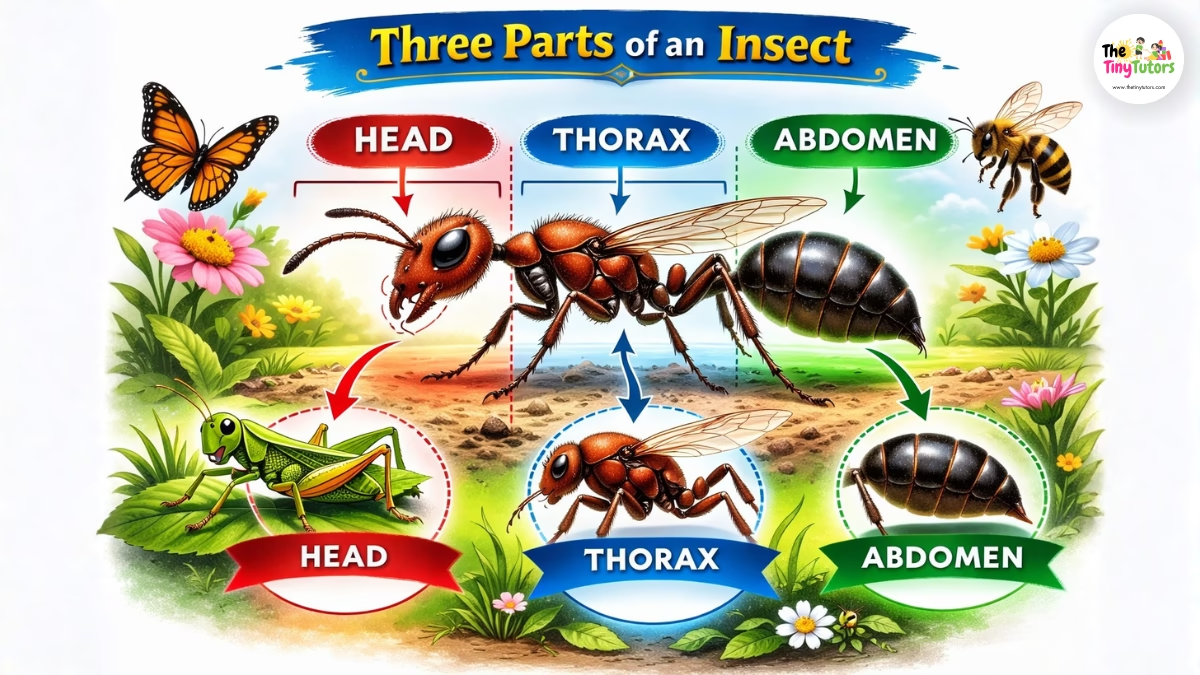
Three Parts of an Insect are something every young explorer should know! 🐞 Insects are small animals that live almost everywhere — in gardens, forests, deserts, and even near water. When we learn about the parts of an insect, we understand how they move, eat, breathe, and grow.
This guide is written especially for kids (Grade 2–6), parents, and teachers. Let’s explore the insect body structure in a simple and fun way!
Learning about insect body parts is like being a tiny scientist exploring nature!
What Are Insects? 🐜
Insects are small animals that live almost everywhere — in gardens, forests, deserts, and even near water.
🌍 Scientists believe there are millions of insect species in the world!
What makes insects special?
-
They have a unique body design.
-
Their bodies are divided into clear sections.
-
Each section has an important job.
Learning about the Three Parts of an Insect helps children understand nature better. It also makes science class more fun and exciting! 🎒✨
What Makes an Insect an Insect?
Not every tiny crawling animal is an insect. So how do we know if something is really an insect? 🤔
Scientists look at the insect body structure carefully.
Here are the special features that make a true insect:
✅ Insects Have 6 Legs
✅ Insects Have Three Main Body Parts
✅ Insects Have Antennae
✅ Many insects have wings
✅ Insects Are Arthropods
Here is something interesting! 🌟
All insects belong to a big animal group called arthropods.
Arthropods are animals that:
- Have jointed legs
- Have a hard outer covering
- Do not have bones inside their body
Other arthropods include spiders and crabs.
✅ Insects Have an Exoskeleton
Instead of bones inside like humans, insects have a hard outer covering called an exoskeleton.
Think of it like natural body armor! 🛡️
The exoskeleton:
- Protects the insect
- Supports its body
- Helps it keep its shape
As insects grow, they shed this outer layer. This process is called molting.
When we study insect body parts for kids, these differences help us identify real insects.
Learn more about how an exoskeleton protects insects and how molting works in our complete guide.
🕷️ Insects vs Spiders
| Feature | Insects | Spiders |
|---|---|---|
| Legs | 6 | 8 |
| Body Parts | 3 | 2 |
| Antennae | Yes | No |
👉 Read more here: Insect vs Spider (Internal Link)
Why This Is Important
Understanding these features helps children:
✔ Identify real insects
✔ Understand insect anatomy for children
✔ Learn how the insect body structure is different from other small animals
Now that we know what makes an insect special, we are ready to explore the Three Parts of an Insect in detail! 🐞
What Are the Three Parts of an Insect?
Definition: An insect is a small animal with six legs and three body parts — head, thorax, and abdomen.
An insect’s body is divided into::
-
Head
-
Thorax
-
Abdomen
These three body sections work together like a team. Each part has a special role in the insect body structure.
Let’s explore them one by one!
The Head – The Control Center of an Insect 🧠
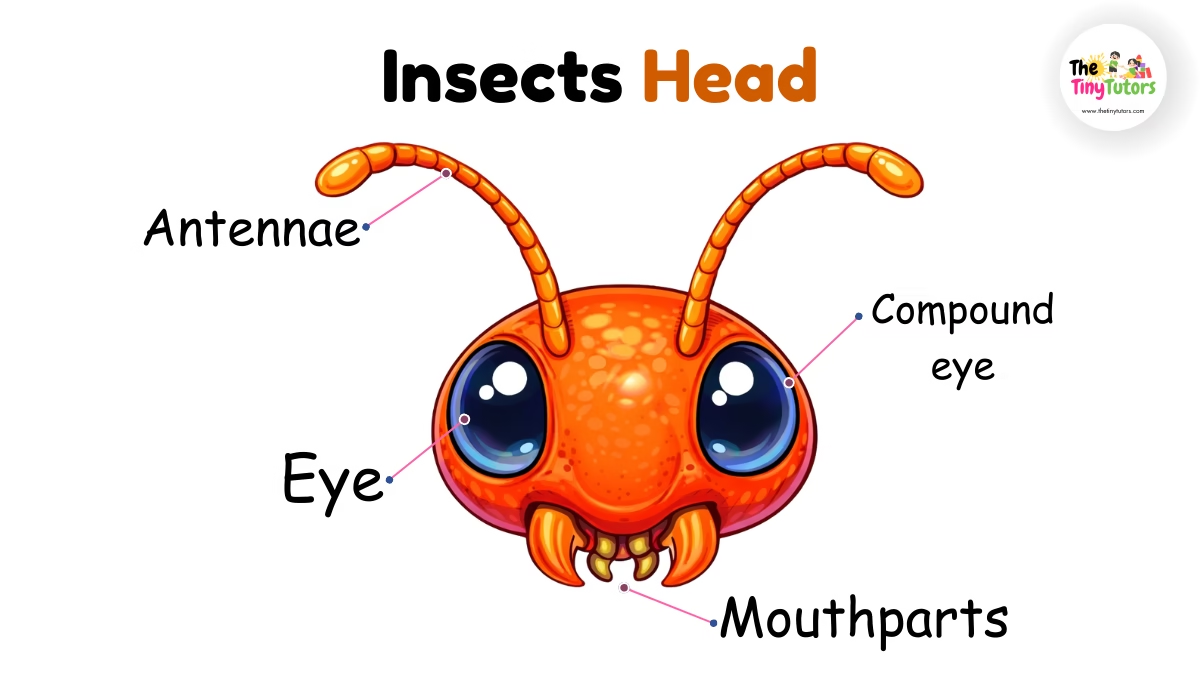
The head is the front (Most Importan) part of the insect’s body.
What is on the head?
👀 Eyes
-
Some insects have large compound eyes (many tiny lenses).
-
Some have simple eyes for light detection.
📡 Antennae
-
Help insects smell, feel, and sense danger.
👄 Mouthparts
-
Some insects chew (like grasshoppers).
-
Some suck nectar (like butterflies).
👉 Just like humans use their head to see, smell, and think, insects use their head to sense the world.
Example: An ant clearly shows the head section when you look closely.
The Thorax – The Movement Part 🏃♂️
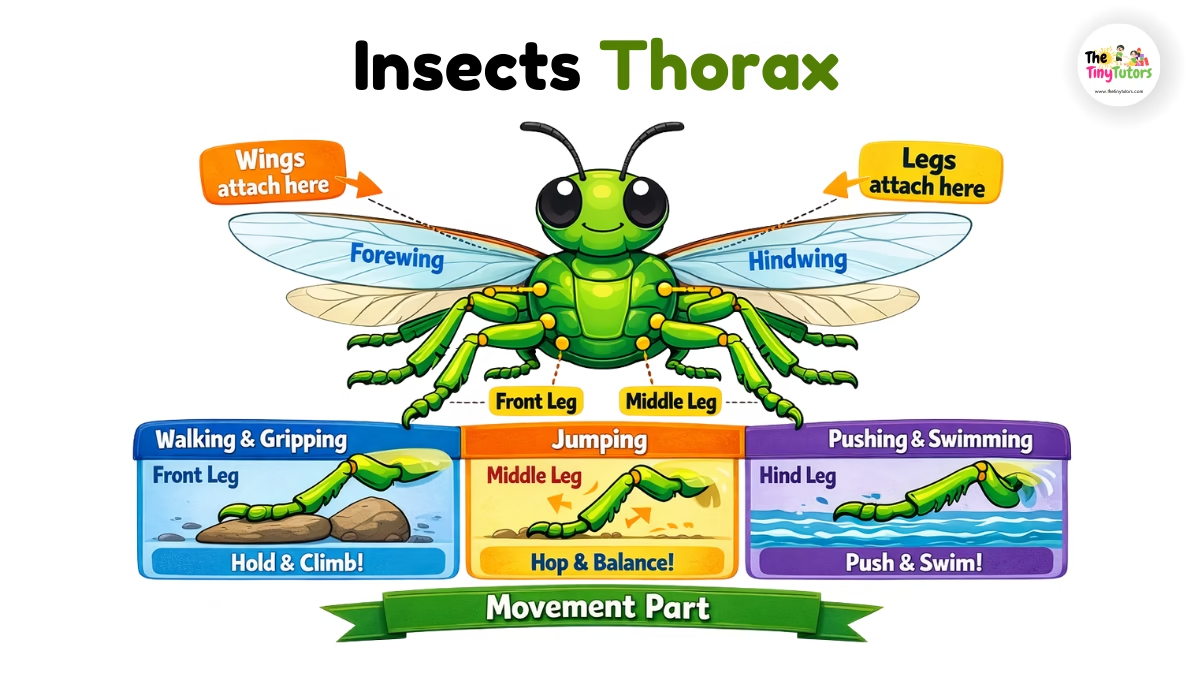
The thorax is the middle part of the body.
This is where:
🦵 All 6 legs are attached
🪽 Wings (if present) are attached
The thorax helps insects move.
-
Flying insects use wings.
-
Walking insects use legs.
Think of the thorax like your chest and shoulders, which help move your arms and legs.
The Abdomen – The Body’s Working Area 🍎
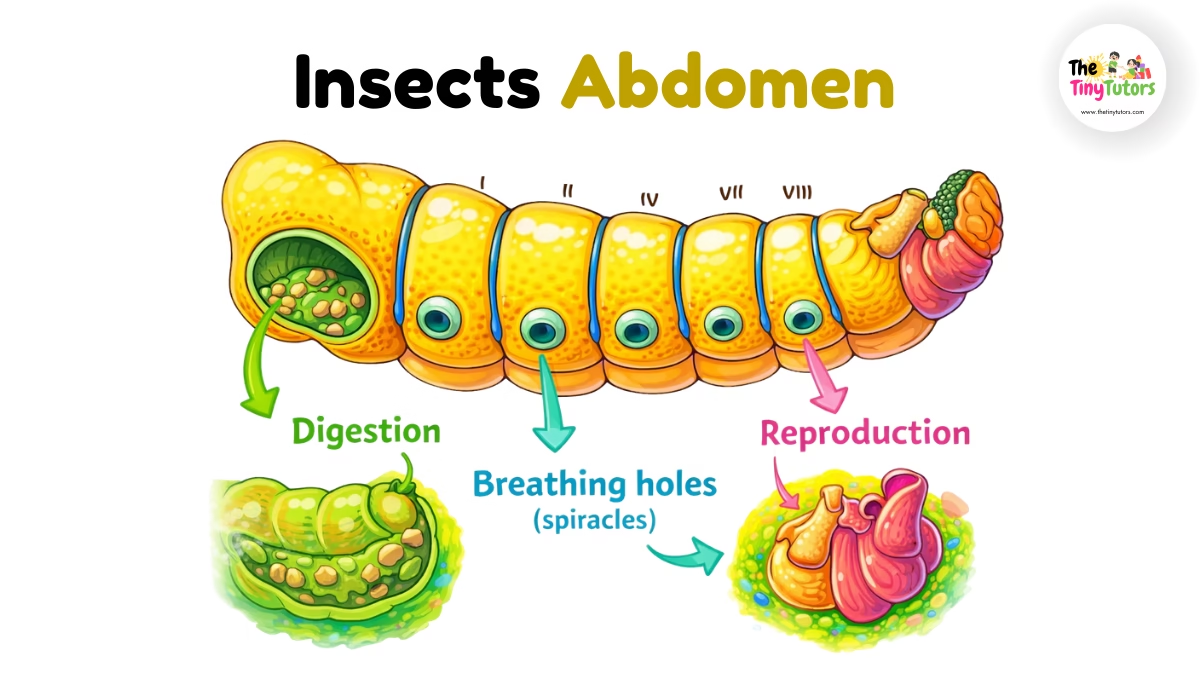
The abdomen is the last and largest part.
Inside the abdomen:
🍽️ Food is digested
🌬️ Tiny breathing holes (called spiracles) help insects breathe
🐣 It helps in reproduction (making baby insects)
It works like the human stomach.
The abdomen is very important in the body parts of an insect because many life functions happen here.
Diagram of the Three Body Parts of an Insect 🖼️
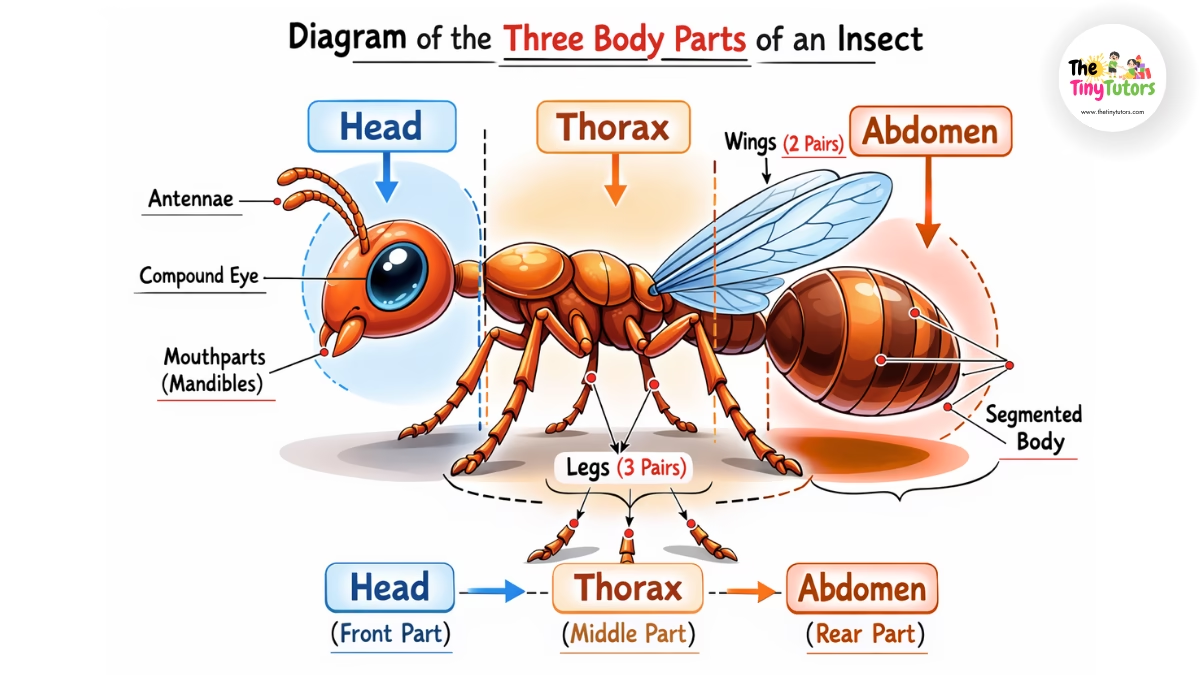
Here is what a full insect looks like:
Head – Thorax – Abdomen
Encourage kids to:
👉 Point to each part
👉 Say the name loudly
👉 Draw their own insect
This helps children remember the parts of an insect diagram easily.
🔎 Try This Activity
Go outside and observe an ant.
Can you spot its head, thorax, and abdomen?
Examples of Insects and Their Body Parts
See how the head, thorax, and abdomen are clearly visible in each insect
🐜 Ant
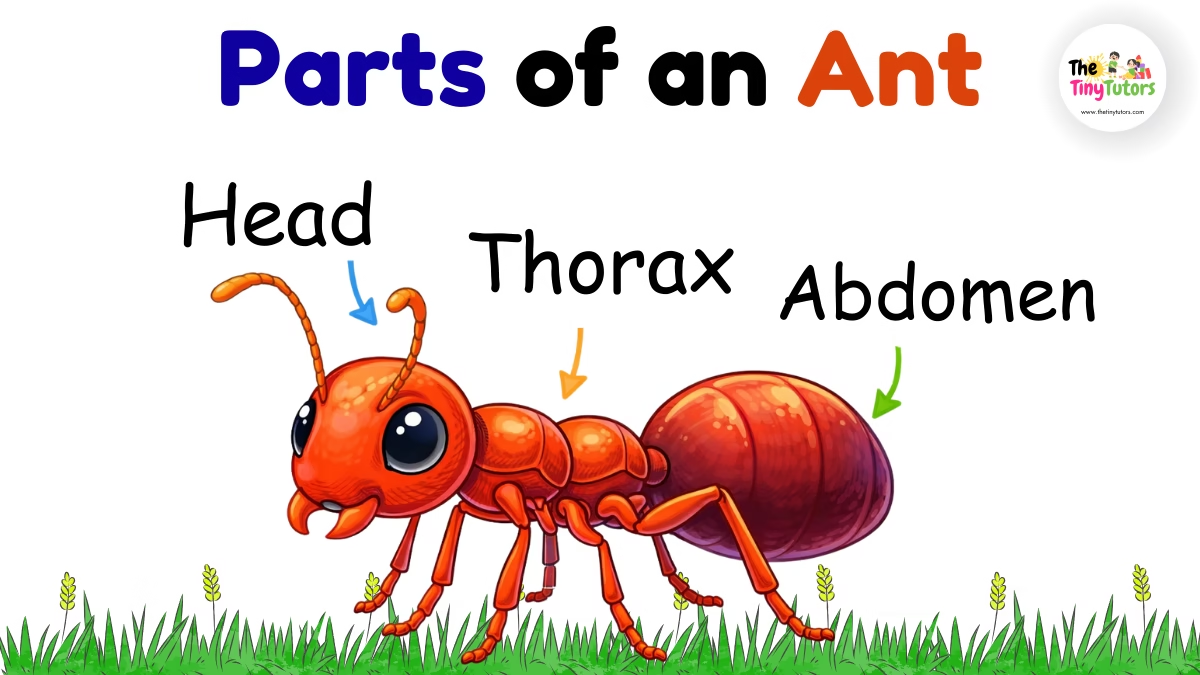
An ant has clearly visible three sections.
The head is big, the thorax is small, and the abdomen is round.
Learn more All About Ants: Amazing Ant Facts, Types & Life Cycle Explained here
🦋 Butterfly
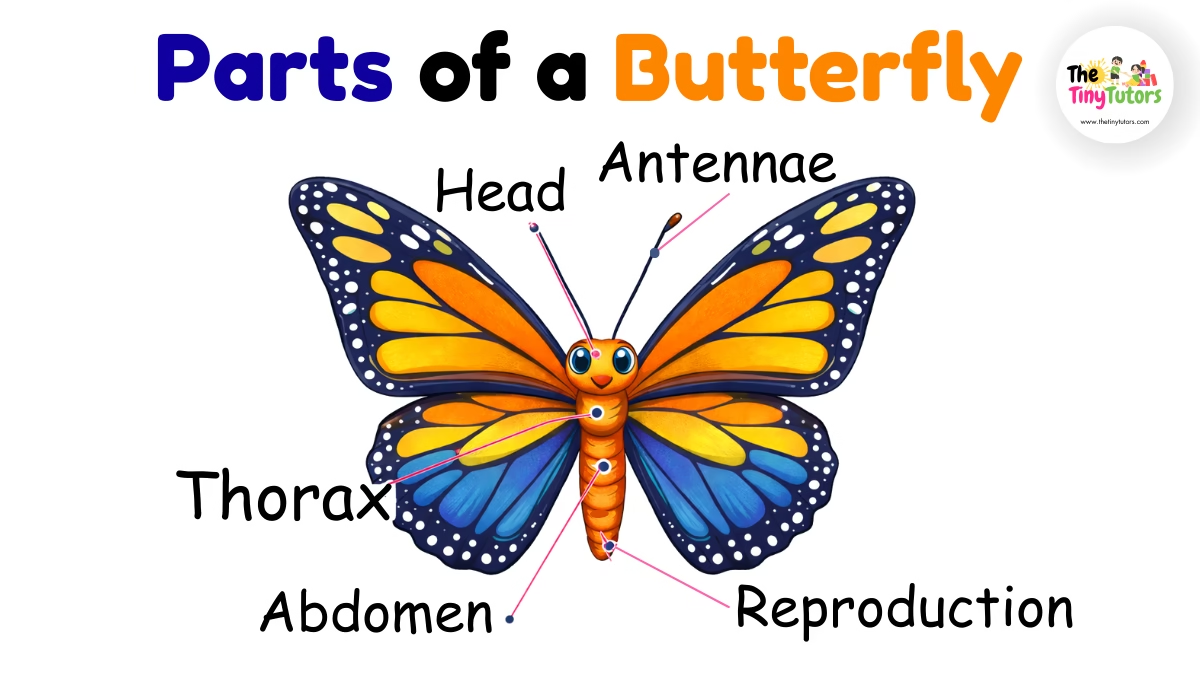
Large wings are attached to the thorax.
It has a thin abdomen and long antennae.
🐝 Bee
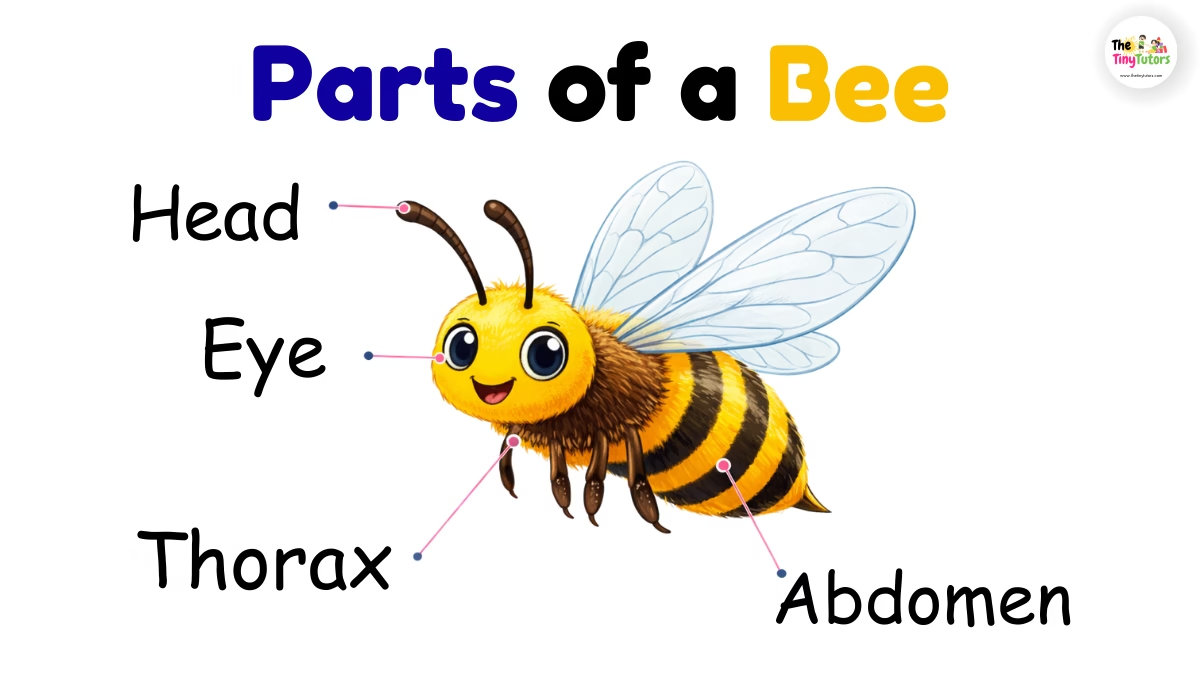
A bee has a hairy thorax.
The stinger is at the end of the abdomen.
🦗 Grasshopper
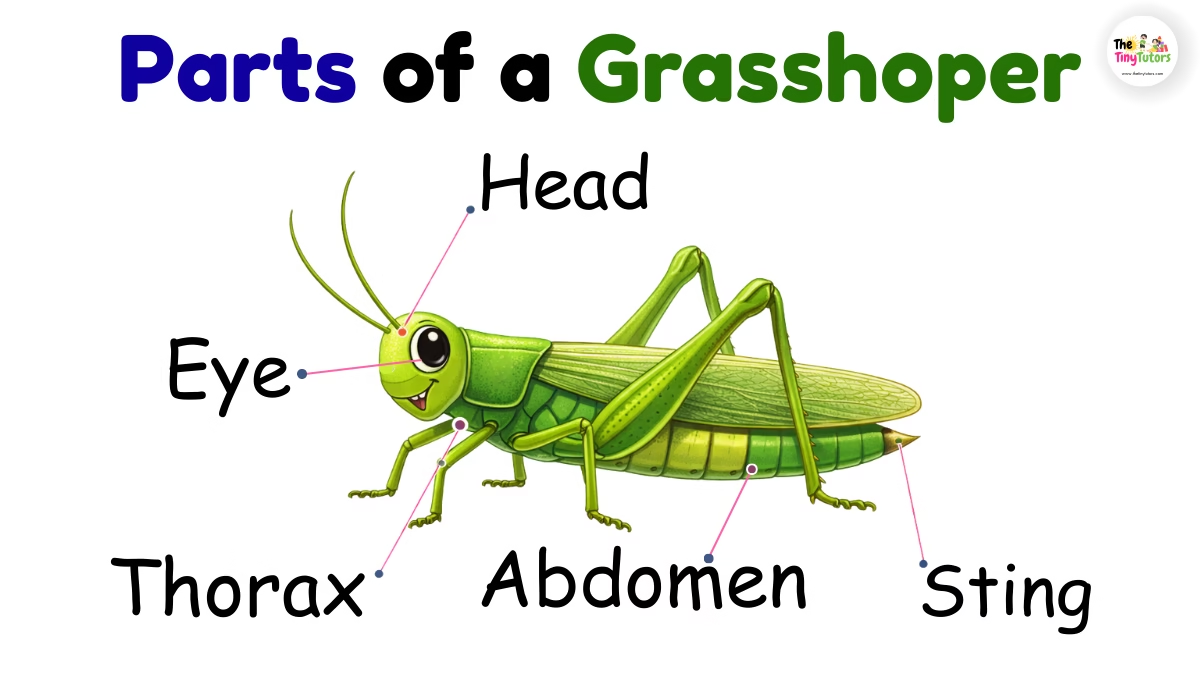
It has strong back legs attached to the thorax.
Its long abdomen helps balance its body.
🐞 Ladybug
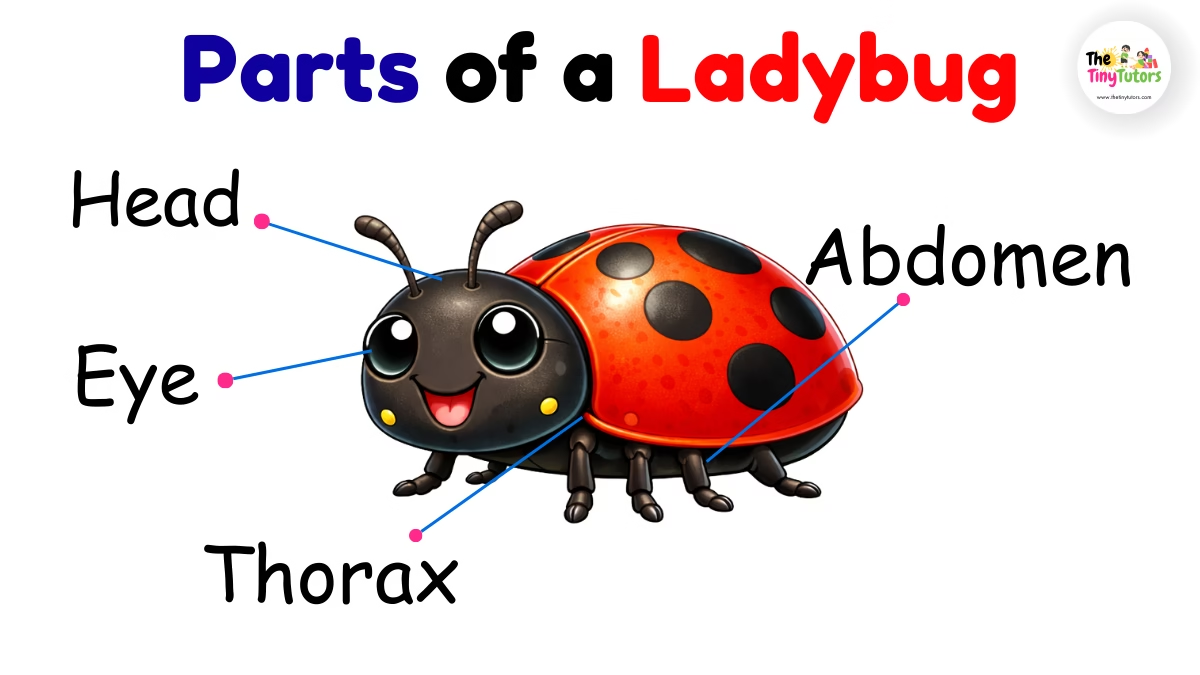
Small and round body.
Hard wing covers protect the wings.
All these examples show the Three Parts of an Insect clearly.
Fun Facts About Insect Body Parts 🤩
✨ Some insects taste with their feet!
✨ A butterfly has compound eyes.
✨ Some insects can regrow lost legs.
✨ Dragonflies can move their head almost all around!
Learning about the insect anatomy for children can be super exciting!
Did You Know? 🌟
-
🐜 Ants can carry objects heavier than their body.
-
🦋 Butterflies smell using their antennae.
-
🐝 Bees have 5 eyes!
-
🦗 Grasshoppers hear through their legs.
Amazing, right?
Next time you see an insect, try spotting these body parts yourself!
Insect Body Parts vs Human Body
| Insect Part | Human Body Part | What It Does |
|---|---|---|
| Head | Head | Thinking, sensing |
| Thorax | Chest | Movement |
| Abdomen | Stomach | Digestion |
This table makes understanding the insect body structure simple and clear.
Quick Quiz 📝
How many body parts does an insect have?
👉 Three!
Which part helps an insect move?
👉 Thorax!
Where are the legs attached?
👉 Thorax!
Do all insects have wings?
👉 No, not all insects have wings.
Great job learning the Three Parts of an Insect! 🎉
Summary – Let’s Review 📚
Let’s remember:
✅ Insects have 3 body parts
✅ Head, Thorax, Abdomen
✅ Each part has a special job
✅ All insects share this structure
Now you understand the Three Parts of an Insect and how the parts of an insect work together like a team.
FAQs About Insect Body Structure
Q1: What are the main three parts of an insect?
A1: The 3 main parts of an insect are head, thorax, and abdomen.
Q2: Why is the thorax important?
A2: The thorax holds the legs and wings, so it helps insects move.
Q3: Do all insects have the same body structure?
A3: Yes, all insects follow the same basic insect body structure.
Q4: Are spiders insects?
A4: No. Spiders have 8 legs and 2 body parts.
Author Note ✍️
This educational guide is carefully written for young learners using simple language, clear structure, and engaging examples. It follows school-level science standards and supports curiosity-based learning.