
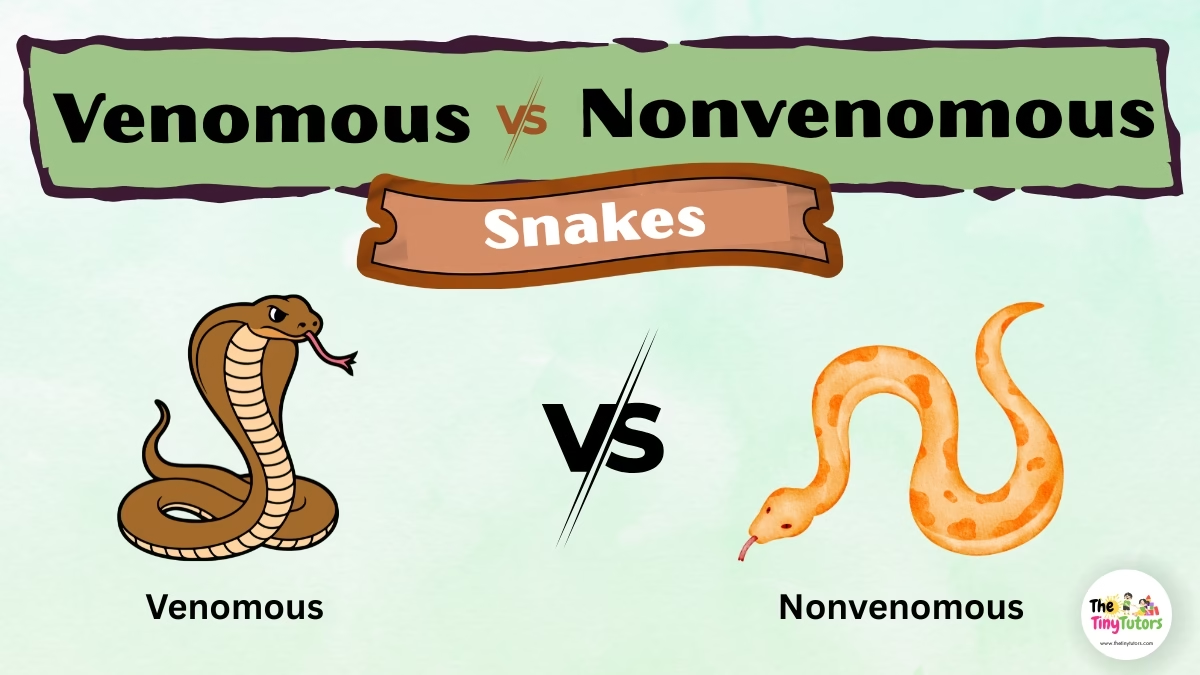
Hey kids!
- Summary Table: Venomous vs Nonvenomous at a Glance
- ✅ How to Identify Venomous vs Nonvenomous Snakes (Visual Guide)
- ✅ Venomous Snake Bite vs nonvenomous Snake Bite Differences
- ️ Snake Behavior in Water: Venomous vs Nonvenomous Swimming Patterns
- ✅ Real-World Examples of Harmless vs dangerous snakes
- FAQs: Answering Common Snake-Related Questions
- ✅ Conclusion – Stay Safe & Snake-Aware in the Wild
Did you know that some snakes are venomous, while others are nonvenomous? But what does that even mean? Let’s dive into the world of snakes and discover the difference between venomous vs nonvenomous snakes.
Whether you’re fascinated by these slithering creatures or just curious, this guide will make it easy to tell which snakes are dangerous and which ones are harmless. Ready? Let’s go!
 Differences Between Venomous and Nonvenomous Snakes
 Differences Between Venomous and Nonvenomous Snakes
So, what’s the big difference between venomous vs nonvenomous snakes?
- Venomous Snakes: These snakes have venom (poison) inside their fangs. When they bite, they can inject venom into their prey (or anyone who gets too close!). The venom helps the snake catch food or defend itself.
- Nonvenomous Snakes: These snakes don’t have venom. If they bite, it doesn’t hurt much, and they usually bite out of fear or to protect themselves. Nonvenomous snakes often use their muscles to squeeze their prey instead of relying on venom.
 Venomous Snakes:
✅ How to Identify Venomous vs Nonvenomous Snakes (Visual Guide)
Learning how to identify venomous vs nonvenomous snakes is super important! Here are some easy ways to spot the difference:
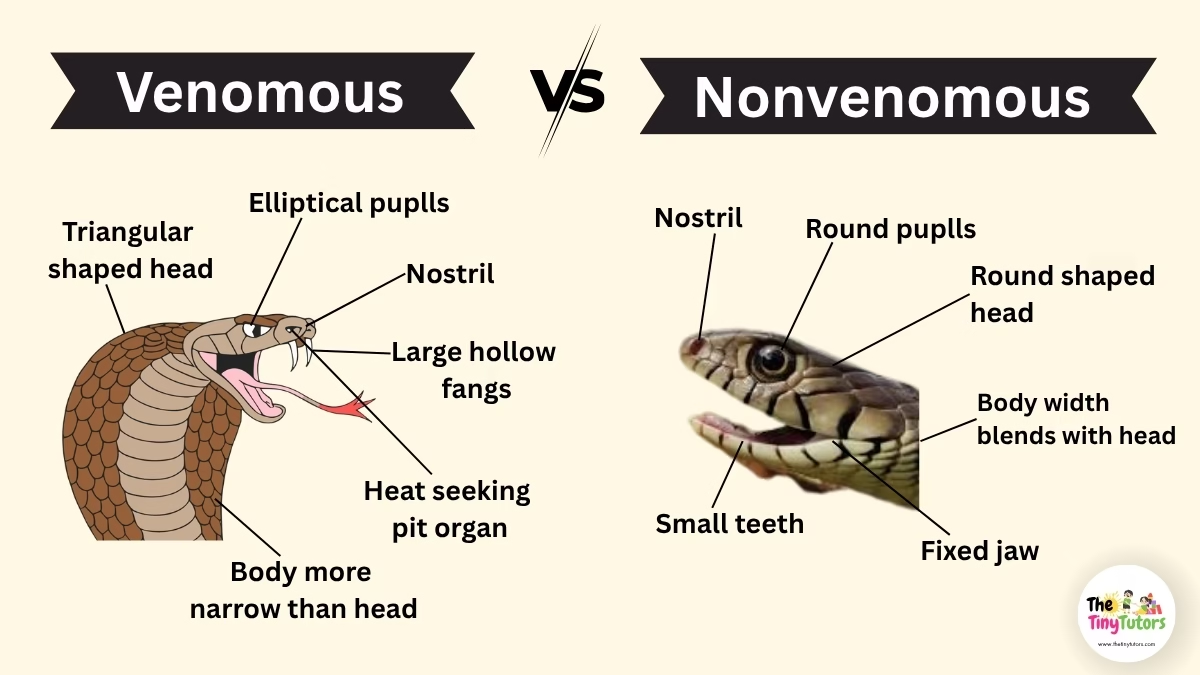
- Head Shape: Venomous snakes usually have a triangular or arrow-shaped head. Nonvenomous snakes have more rounded heads.
- Pupils: Look at the snake’s eyes! Venomous snakes typically have slit-shaped pupils, while nonvenomous snakes usually have round pupils.
- Fangs: This one’s tricky, but venomous snakes have fangs to inject venom, while nonvenomous ones don’t.
Want to learn about more cool Reptiles? Check out our Reptiles category page!
Snake Identification Features
 Snake Identification Features
– Head Shape, Pupils, and Fangs
- Venomous Snakes Head Shape vs Nonvenomous:
Venomous snakes like pit vipers have triangular heads, whereas nonvenomous snakes such as garter snakes have round heads. - Pupils: Look at their eyes! Venomous snakes like cobras have slit pupils, while nonvenomous snakes like corn snakes have round pupils.
- Fangs: Venomous snakes have fangs that they use to inject venom. Nonvenomous snakes do not.
– Diagram: Venomous Snake vs Nonvenomous
Here’s a cool Diagram that shows the difference between venomous and nonvenomous snakes in a fun and easy way – perfect for kids who love learning about Reptiles!
Fun Fact:
Did you know some snakes can climb trees? Venomous and nonvenomous snakes alike can be excellent climbers, but they do it in different ways. Cool, right?
Stay safe and happy exploring!
✅ Venomous Snake Bite vs nonvenomous Snake Bite Differences
A venomous snake bite can be very dangerous. The venom can cause swelling, pain, and in some cases, can be life-threatening if not treated. Nonvenomous snake bites, however, don’t inject venom, and while they might hurt, they’re not dangerous and usually heal on their own.
Important Tip : Always stay safe and stay away from snakes! If you’re ever bitten by any snake, make sure to tell an adult and get help right away.
️ Snake Behavior in Water: Venomous vs Nonvenomous Swimming Patterns
Did you know snakes can swim? Venomous vs nonvenomous snakes swim in different ways:
- Venomous Snakes: Snakes like water moccasins (also called cottonmouths) are venomous and swim with their bodies out of the water.
- Nonvenomous Snakes: Nonvenomous water snakes, like the northern water snake, swim with their bodies mostly submerged, so only their heads pop up.
✅ Real-World Examples of Harmless vs dangerous snakes
Venomous Snakes:
- King Cobra : The largest venomous snake in the world! It has a powerful venom that can kill its prey.
- Rattlesnake : Known for its rattling tail, these snakes can be dangerous if they feel threatened.
Nonvenomous Snakes:
- Garter Snake : One of the most common nonvenomous snakes. It is small, harmless, and often found in gardens.
- Corn Snake : These snakes are friendly and love to live in warm places like barns and fields.
Summary Table: Venomous vs Nonvenomous at a Glance
| Feature | Venomous Snakes | Nonvenomous Snakes |
|---|---|---|
| Head Shape | Triangular or Arrow-shaped | Round |
| Pupils | Slit-shaped | Round |
| Venom | Yes (used for hunting & defense) | No |
| Behavior | Aggressive if threatened | Usually shy and non-aggressive |
| Bite Impact | Dangerous, can cause serious harm | Painful, but not dangerous |
FAQs: Answering Common Snake-Related Questions
 FAQs: Answering Common Snake-Related Questions
Q1: How to tell if a snake is venomous by its head

A1: Venomous snakes typically have triangular heads with a noticeable difference in size between their head and neck. Nonvenomous snakes have more rounded heads.
Q2: Do nonvenomous snakes bite
A2: Yes! Nonvenomous snakes do bite, but their bites don’t inject venom and are usually not harmful. They might bite out of fear or if they’re startled.
Q3: What’s the difference between venomous and poisonous
A3: Venomous refers to animals that inject venom, like snakes. Poisonous refers to animals that are harmful if eaten or touched. A venomous snake bites, while a poisonous frog might make you sick if you touch it.
Q4: Venomous vs nonvenomous snakes in water – how to spot them
A4: Venomous snakes, like the cottonmouth, swim with their bodies out of the water. Nonvenomous snakes swim with most of their body underwater and only their head poking up.
✅ Conclusion – Stay Safe & Snake-Aware in the Wild
Now that you know the differences between venomous vs nonvenomous snakes, you can be more aware of what to look for! Remember, most snakes are harmless and are just trying to go about their business. Always stay curious, but never approach a snake without an adult! Snakes are fascinating creatures, but it’s best to enjoy them from a safe distance.