
Have you ever wondered how reptiles like lizards, snakes, turtles, and crocodiles live in so many different places? The secret is reptile adaptations — special features that help them survive on land, in water, and even in hot deserts!
In this fun and easy guide, we’ll explore all about these amazing adaptations and why reptiles are such cool animals to learn about. Let’s dive in!
What Are Reptile Adaptations?
Reptile adaptations are special changes or features that reptiles have to help them live better in their homes — whether that’s on land, in the ocean, or in the desert.
An adaptation in reptiles can be anything from their scaly skin to how they keep their bodies cool.
These adaptations help reptiles survive by protecting them, helping them find food, or keeping them safe from danger.
Think of adaptations as nature’s superpowers for reptiles!
Types of Reptile Adaptations
Reptiles live in many different places. That means they need different adaptations to stay safe and healthy. Here are some of the main types:
Terrestrial Adaptation – How Reptiles Live on Land
Reptiles like lizards and snakes have dry, scaly skin that stops their bodies from drying out.
Their strong claws help them climb trees or dig burrows.
They lay eggs with hard shells that keep baby reptiles safe on land.

How Reptile Adaptations Help Them Live in the Desert ️
The desert is very hot and dry. But reptiles have special adaptations for reptiles to live there:
Saving Water: Desert reptiles keep water in their bodies and do not need to drink much. This helps them survive where water is rare. This is a smart adaptation of reptiles to desert life.
Protecting from Heat: Their skin protects them from the hot sun and keeps their body cool. Some reptiles hide in the sand during the hottest times. This is another cool reptile adaptation.
Active at Night: Many desert reptiles come out at night when it is cooler. This way, they don’t get too hot during the day.
Special Tricks: Some reptiles even put sand in their mouth to help cool their body.
Did You Know?
Some desert reptiles can change their body color to blend with the sand. This helps them hide from enemies — a fantastic example of reptile adaptations!
Marine Reptile Adaptations – Reptiles That Live in the Ocean
Sea turtles and some crocodiles have webbed feet or flippers to help them swim fast.
Their skin and shells are tough and protect them underwater.
They can hold their breath for a long time while diving.
These are cool examples of marine reptile adaptations!
Viviparous Reptile Adaptations – Reptiles That Give Birth to Live Young
Most reptiles lay eggs, but some, like certain snakes and lizards, give birth to live babies.
This is called being viviparous and helps their babies survive in places where eggs might not be safe.
Cool and Amazing Reptile Adaptations!
Reptiles have some super cool ways to survive in the wild. From color-changing skin to strong shells, these animals show how creative nature can be. Let’s explore some amazing reptile adaptations!
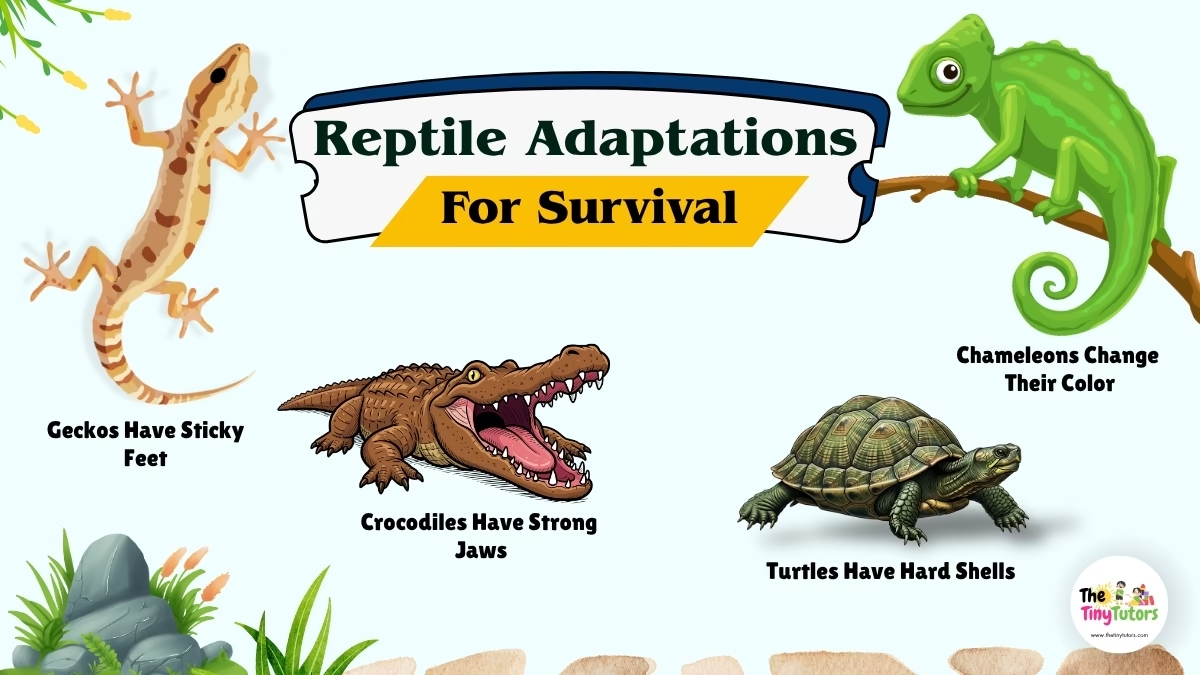
1. Chameleons Change Their Color
Chameleons can change their skin color! They do this when they’re happy, scared, or trying to hide. Changing color helps them blend in with their surroundings and communicate with other chameleons — all without making a sound.
2. Geckos Have Sticky Feet
Geckos can walk on walls and ceilings thanks to their super sticky feet. Their toes have tiny hairs that let them grip almost any surface. This clever adaptation helps them escape danger and find food in tricky places.
3. Lizards Can Drop Their Tails
When a predator grabs a lizard by the tail, the lizard can drop its tail to escape! The tail keeps wiggling to distract the enemy while the lizard runs away. Later, the tail grows back — what an amazing survival trick!
4. Crocodiles Have Powerful Jaws
Crocodiles have extremely strong jaws that can snap shut with incredible force. Their sharp teeth help them catch and eat their prey easily. This adaptation makes crocodiles some of the top hunters in their habitat.
5. Turtles Have Hard Shells
Turtles are protected by a hard, bony shell that works like a shield. When they sense danger, they pull their head and legs inside to stay safe. Their shell is one of the best examples of a defensive adaptation in reptiles.
Fun Idea!
Next time you see a lizard, gecko, or turtle, watch how they move or hide. You’ll see some of these cool reptile adaptations in real life — and that’s what makes nature so amazing!
Lizard Adaptations for Kids
Let’s learn about 5 amazing ways lizards survive:
Tail Tricks: Some lizards can drop their tails to escape predators! The tail grows back later.
Camouflage: Many lizards change colors or have patterns that help them blend into their home.
Sticky Toes: They can climb smooth surfaces using special toe pads.
Sun Lovers: Lizards are cold-blooded, so they bask in the sun to warm up.
Quick Movers: They run fast to catch food or get away from danger.
These are great examples of lizard adaptations for kids to understand how reptiles live.
Adaptation of Reptiles to Terrestrial Life ️
Living on land needs special tools:
Scales protect reptiles from rough surfaces and keep water inside their bodies.
Claws help with digging, climbing, and catching food.
Eggs with tough shells keep baby reptiles safe from drying out or being eaten.
These show how reptile adaptations to live on land help reptiles survive well.
Reptiles and the Environment
Reptiles are very important to nature because:
They control pests by eating insects and rodents.
They are food for bigger animals like birds and mammals.
Their presence shows that an ecosystem is healthy.
That’s why understanding reptile adaptations to environment helps us know how to protect them.
Economic Importance of Reptiles
Here are 5 economic importance of reptiles that show how they help people and nature:
Pest control: They eat insects harmful to crops.
Medicine: Some medicines are made from reptiles’ venom or skin.
Tourism: People love to visit places to see reptiles, which helps local jobs.
Education: Reptiles teach us about nature and science.
Pets: Many reptiles are kept as pets, bringing joy to families.
Read more related article: Venomous vs Nonvenomous Snakes for Kids: Easy Identification, Facts & Safety Tips
FAQs – Learn More About Reptiles! ❓
Q1: What are the adaptations of a reptile?
A1: Adaptations are special features like scaly skin, claws, or being cold-blooded that help reptiles survive.
Q2: What are 5 adaptations of a lizard?
A2: Tail dropping, camouflage, sticky toes, basking in sun, and running fast.
Q3: Why is a not a reptile?
A3: Frogs are amphibians, not reptiles, because they have smooth skin and spend part of their life in water and part on land.
Conclusion:
Reptile adaptations are nature’s amazing tools that help these creatures survive in many places — from forests to deserts and oceans! Learning about these adaptations helps us appreciate reptiles even more and reminds us to protect their homes.
So next time you see a lizard or turtle, remember how special they are thanks to their super cool adaptations!