
Ants are tiny creatures, but they live big and busy lives every day! 🐜
In this fun and easy guide, kids will explore Ant Facts and discover how ants work together like a team, build amazing homes underground, and help nature in many important ways 🌱.
- 🐜What Are Ants?
- ⭐Amazing Ant Facts
- 🌍 Types of Ants Found Worldwide
- 🔄 Ant Life Cycle Explained
- 🏰 Ant Colony Structure
- 📡 How Ants Communicate With Each Other
- 🐾 Ant Behavior and Daily Activities
- 🏡 Where Do Ants Live? (Ant Habitat)
- 🍎 What Do Ants Eat?
- 🌱 Benefits of Ants in Nature
- ⚖️ Are Ants Harmful or Helpful to Humans?
- 🎉 Interesting and Fun Facts About Ants
- ❓ Frequently Asked Questions About Ants
- 🏁 Conclusion:
Even though ants are very small, they are strong, smart, and super organized 💪🧠. They live in groups called colonies, where every ant has a special job to do. Some ants collect food 🍎, some protect the colony 🛡️, and one special ant—the queen—lays eggs to grow the family 👑.
By learning these Ant Facts, kids will understand why ants are found almost everywhere on Earth 🌍 and why they are one of the most successful insects in the world. Get ready to explore the amazing life of ants step by step in a fun and simple way! ✨
🐜What Are Ants?
Ants are small but very intelligent insects that live together in large groups called colonies. A colony can have hundreds, thousands, or even millions of ants living and working together 🏘️.
Ants are found almost everywhere on Earth 🌍 — in forests, gardens, deserts, and even inside our homes. They are one of the most successful insects in the world because they know how to work as a team.
Why Are Ants So Successful?
One big reason ants survive so well is teamwork 🤝.
Many Ant Facts show that ants never work alone. Each ant has a job, and all ants help each other to survive.
Ants work together to:
Find food 🍞
Build strong homes 🏰
Protect their colony from danger 🛡️
Take care of baby ants 👶🐜
This teamwork makes ants stronger together than they are alone.
🔬Scientific Classification
Ants belong to the insect world. Scientists group living things into categories, and ants belong here:
Kingdom: Animalia
Class: Insecta
Family: Formicidae
This means ants are true insects with six legs, a hard body, and antennae.
🐜🆚🐞 Ants vs Other Insects
Ants are different from many other insects in special ways:
🧠 Elbowed antennae – Their antennae bend like elbows, helping them smell and touch
🏘️ Colony life – Ants live in groups, not alone
👃 Scent communication – They talk to each other using smell trails called pheromones
These features make ants very smart and organized insects.
⭐Amazing Ant Facts
How Strong Are Ants?
Ants are tiny, but they are super strong 💪.
They can lift 10 to 50 times their own body weight.
👉 Imagine a kid lifting a car — that’s how strong ants are for their size!
This is one of the most surprising Ant Facts kids love.
Teamwork in Ants
Many Ant Facts prove ants never work alone.
They:
Share food with others 🍯
Help injured ants 🤕
Build nests together 🧱
Protect their queen 👑
Ant teamwork teaches us an important lesson: working together makes everyone stronger.
Ant Population
Scientists believe there are more than 20 quadrillion ants on Earth 😲.
That means ants may outnumber humans by millions of times!
Fun & Lesser-Known Facts
Interesting facts about ants:
😮 Ants don’t have lungs — they breathe through tiny holes
🍄 Some ants farm fungi like farmers grow crops
🧠 Ants can recognize their nestmates by smell
🐜 Ants can remember paths and locations
These fun facts make ants even more amazing to learn about.
🌍 Types of Ants Found Worldwide
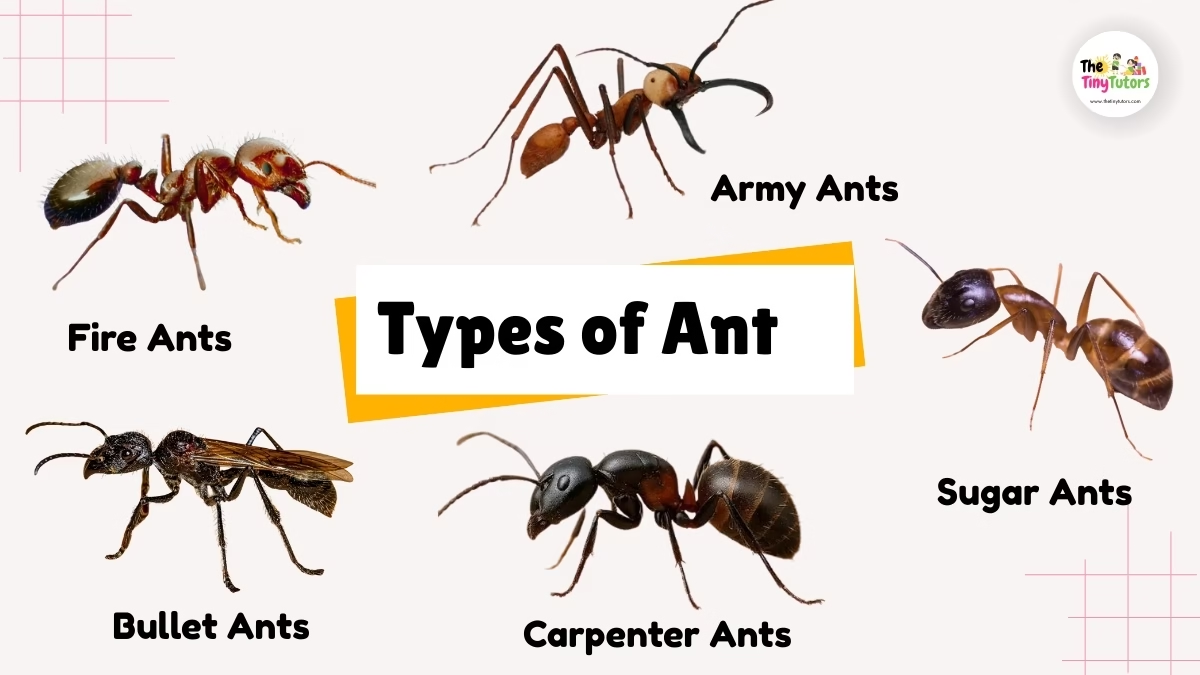
Ants are amazing insects, and different types of ants have unique abilities! Learning about them is one of the most exciting Ant Facts for kids 🐜.
Around the world, there are thousands of ant species, but here are some of the most well-known and interesting ones:
| 🐜 Ant Type | ⭐ Special Feature | 5 Interesting Facts About Ants |
|---|---|---|
| Fire Ants | Painful sting 🔥 | Fire ants protect their colony aggressively and build floating rafts in floods 🌊 |
| Carpenter Ants | Live inside wood 🪵 | They don’t eat wood, but chew it to make tunnels for their nests |
| Army Ants | Travel in large groups 🚶♂️🚶♀️ | Known as “soldier ants,” they hunt in coordinated waves |
| Bullet Ants | Extremely strong sting 😖 | Their sting is one of the most painful insect stings in the world |
| Sugar Ants | Love sweet food 🍬 | They often visit kitchens to find sugar or syrup, showing clever food-finding skills |
🔄 Ant Life Cycle Explained
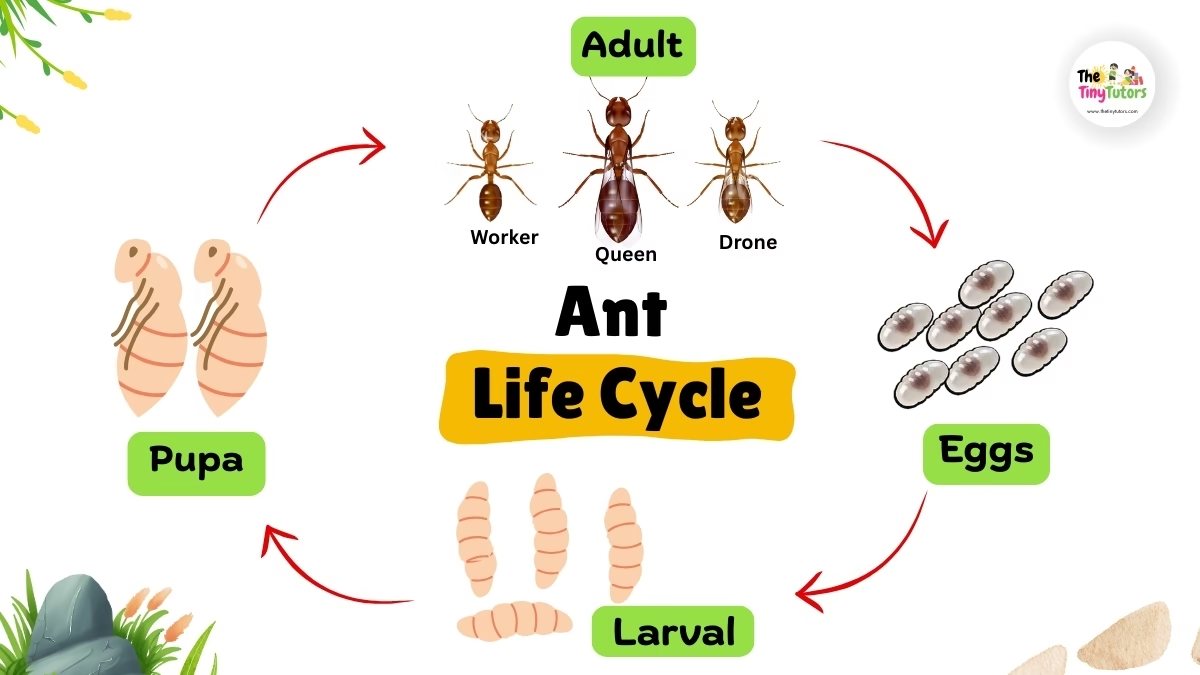
Ants grow through four stages. This is an important part of Ant Facts and science learning 🔬.
 🥚 Egg Stage
 🥚 Egg Stage
Eggs are very tiny and white
Laid by the queen ant
Hatch after a few days
🐛 Larva Stage
Larvae look like small worms
Cannot walk or eat alone
Fed and cared for by worker ants
🟤 Pupa Stage
The ant’s body changes
Looks like it is resting
Develops legs, eyes, and antennae
🐜 Adult Ant
Becomes a worker, queen, or male
Starts its job inside the colony
🏰 Ant Colony Structure
Understanding ant colonies helps explain many Ant Facts about teamwork and organization.
👑 Queen Ant
Lays all the eggs 🥚
Can live for many years
Most important ant in the colony
👷 Worker Ants
Collect food 🍎
Build and repair nests 🧱
Protect the colony from danger 🛡️
Take care of baby ants
🐜 Male Ants
Help in reproduction
Live for a short time
Do not collect food
📡 How Ants Communicate With Each Other
Ants are tiny, but very smart insects. One of the coolest Ant Facts is how they talk to each other without words! 🐜
Ants use pheromones, which are special smells that ants leave behind to send messages to their friends. For example:
✅ A trail of pheromones can show where food is 🍯
✅ A warning smell tells other ants to stay safe ⚠️
✅ Pheromones help ants follow each other back to the nest 🏘️
Besides smell, ants also use touch to communicate. They tap each other’s antennae to share information about food, danger, or jobs. This teamwork and clever communication make ants one of the most organized insects on Earth 🌍.
🐾 Ant Behavior and Daily Activities
Ants are busy little creatures! Every day, they do several important jobs inside their colony. Learning about these actions is a fun way to understand Ant Facts.
Main Daily Activities of Ants:
| Activity | What They Do | Emoji |
|---|---|---|
| Gathering Food | Worker ants search for food like leaves, seeds, or crumbs | 🍎 |
| Caring for Babies | Feed and protect larvae and pupae | 👶 |
| Defending the Nest | Guard the colony from predators and intruders | 🛡️ |
These daily tasks show cooperation, teamwork, and responsibility—all happening in tiny ant cities! 🏰
🏡 Where Do Ants Live? (Ant Habitat)
Ants are very adaptable creatures. They can live almost anywhere in the world 🌍. Knowing where ants live is another exciting Ant Fact for kids!
Forests 🌲 – Many ants build nests under leaves or in rotting wood
Underground – They dig tunnels to create huge underground homes
Inside Walls 🏠 – Some ants live in houses searching for food
Deserts 🌵 – Desert ants survive harsh heat and travel long distances to find water
Ants can adapt to almost every climate, which is why they are found on nearly every continent except Antarctica ❄️. Curious about how insects survive in cold months? Learn more in our fun guide about where insects go in winter.
🍎 What Do Ants Eat?
Ants are omnivores, which means they eat many different things. Learning what ants eat is a fun and tasty way to understand Ant Facts!
Common Ant Foods:
| Food | Notes | Emoji |
|---|---|---|
| Sugar and sweets | Ants love sugary foods and nectar | 🍬 |
| Leaves and seeds | Some ants chew or store leaves and seeds | 🍃 |
| Other insects | Predatory ants hunt small insects | 🐞 |
| Human food crumbs | Ants are known to explore kitchens | 🍪 |
Tip for kids: If you watch ants carefully, you may see them carry food back to their nest in amazing teamwork! 🐜🤝
🌱 Benefits of Ants in Nature
Ants are tiny helpers of nature. Many Ant Facts show that ants are important for keeping the environment healthy. Just like ants help spread seeds, bees help flowers grow through pollination, making nature healthy and balanced
How Ants Help Nature:
| Benefit | How It Helps | Emoji |
|---|---|---|
| Improving Soil | Digging tunnels mixes soil and helps plants grow | 🌿 |
| Spreading Seeds | Some ants carry seeds to new locations, helping plants grow | 🌱 |
| Cleaning Dead Insects | Remove decaying matter, keeping nature clean | 🐜🧹 |
Without ants, many ecosystems would not work properly. Even small ants can make a big difference in nature! 🌎
⚖️ Are Ants Harmful or Helpful to Humans?
Ants are tiny creatures, but they can affect humans in both positive and negative ways.
Knowing both sides makes learning Ant Facts balanced and educational 🌱.
How Ants Are Helpful ✅
Help Gardens 🌸: Ants dig tunnels that improve soil, making it easier for plants to grow
Spread Seeds 🌱: Some ants carry seeds to new locations, helping plants grow naturally
Clean the Environment 🧹: Ants remove dead insects and decaying matter, keeping nature clean
How Ants Can Be Harmful ❌
Enter Homes 🏠: Some ants search for food inside kitchens and pantries
Bites and Stings ⚡: Certain species like fire ants can bite or sting if disturbed
Damage Wood 🪵: Carpenter ants can chew wooden structures
By understanding both sides, kids learn that ants are important in nature, but we also need to respect their space.
🎉 Interesting and Fun Facts About Ants
Ants are not only smart workers—they are full of surprises! Here are some fun and mind-blowing Ant Facts for kids:
| Fun Fact | Details | Emoji |
|---|---|---|
| Long-Living Queens | Some queen ants can live up to 30 years, laying thousands of eggs 🥚 | 👑 |
| Traffic Solvers | Ants never get stuck—they find the fastest routes to food 🍎 | 🚦 |
| Ant Bridges | Some ants form living bridges with their bodies to cross gaps 🌉 | 😲 |
| Tiny Engineers | Ants build tunnels, chambers, and nests with amazing teamwork 🏰 | 🐜 |
| Strongest for Size | Ants can lift 10–50 times their body weight 💪 | 🏋️♂️ |
These surprising facts make learning about ants super fun for kids!
❓ Frequently Asked Questions About Ants
Q1: How long do ants live❓
A: Ants have different lifespans depending on their type. Worker ants live a few weeks to months, while queen ants can live up to 30 years 👑. This makes them some of the longest-living insects.
Q2: Can ants swim❓
A: Some ants can float and survive on water 🌊. They use their legs to paddle and stay on the surface, which helps them escape floods or travel between plants.
Q3: Do ants sleep❓
A: Ants don’t sleep like humans 😴, but they take short rest breaks to save energy. Workers, queens, and males all follow a routine that keeps the colony active 24/7 🕒.
Q4: How strong are ants❓
A: Ants are incredibly strong for their size 💪. They can lift 10–50 times their own body weight, which is one of the most amazing Ant Facts for kids to learn.
🏁 Conclusion:
Ants may be tiny, but they teach big lessons about life 🌟.
Teamwork 🤝: Every ant works together to keep the colony running
Hard Work 💪: Ants are always busy, gathering food, building nests, and protecting the colony
Caring for Others 👶: Ants look after their babies and help nestmates in need
By learning about ants, kids discover that even the smallest creatures can do amazing things together.
🐜✨ Ants remind us that teamwork, dedication, and caring for others can make any community strong and successful!🐜✨
Wonderful content
Thank you so much! We’re glad you liked our content.