
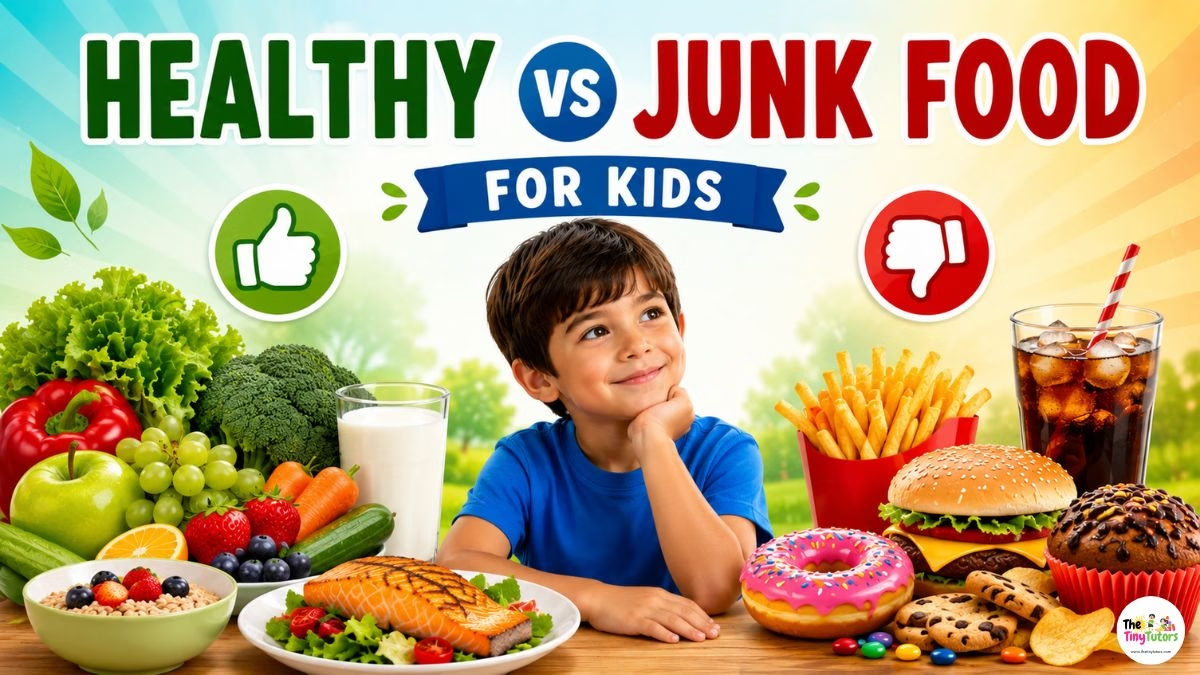
🌟 Fun Fact! Did you know the human brain uses about 20% of the energy from the food you eat? That means what kids eat directly affects how well they think, concentrate, and learn in class! ✨
- 🥦 What Are Healthy Foods?
- 🍔 What Are Junk Foods?
- 📊 Healthy vs Junk Food — Comparison Table
- 🔍 Difference Between Healthy Foods and Junk Foods
- Benefits of Healthy Foods for Kids
- ⚠️ Effects of Junk Foods on Children's Health
- 📈 Healthy Food Chart for Kids
- 📋 Healthy & Unhealthy Food List for Kids
- 🍽️ Healthy Meal Plate for Kids
- 🥝 Healthy Snacks vs Junk Food — Smart Swaps!
- 🎒 Healthy Lunchbox Ideas for Kids
- 🎨 Teaching Healthy Food Through Activities
- 🎉 Quiz Time! — Healthy vs Junk Food
- 🔎 Food Label Reading — Know What You're Eating!
- 🚫 Healthy Eating Myths — Busted!
- 👨👩👧 Tips for Parents — Making Healthy Eating Easy
- 👩🏫 Tips for Teachers — Bringing Healthy Eating Into the Classroom
- ❓ Frequently Asked Questions — Healthy vs Junk Food
- 🎯 Conclusion — Small Choices, Big Changes!
- 📚 Keep the Learning Going!
🥦 What Are Healthy Foods?
Healthy foods are natural, whole foods that give our bodies the nutrients, vitamins, and energy they need to grow strong, stay active, and fight off sickness. Think of healthy food as fuel for a supercar — the better the fuel, the better it runs! 🚗💨
For parents and teachers who want to learn more about healthy eating recommendations, the World Health Organization’s Healthy Diet guide offers trusted, science-based information.
When we talk about healthy food vs junk food, healthy foods always win because they contain:
- ✅ Vitamins & Minerals — Found in fruits, vegetables, and dairy
- ✅ Proteins — Found in eggs, lentils, fish, chicken, and nuts
- ✅ Good Carbohydrates — Found in whole grains, oats, and brown rice
- ✅ Healthy Fats — Found in avocados, olive oil, and seeds
- ✅ Dietary Fiber — Found in vegetables, fruits, and legumes
- ✅ Water — Found in cucumbers, watermelon, and plenty of glasses! 💧
🍓 Examples of Healthy Foods
- 🍎 Fresh fruits — apples, bananas, oranges, mangoes
- 🥦 Vegetables — broccoli, carrots, spinach, sweet potato
- 🥚 Proteins — eggs, chicken, fish, dal, paneer
- 🍚 Whole grains — brown rice, oats, whole wheat bread
- 🥛 Dairy — milk, yogurt, cheese (in moderate amounts)
- 🥜 Nuts & seeds — almonds, walnuts, sunflower seeds
Fun Fact! Eating a “rainbow” of fruits and vegetables means you’re getting a wide range of vitamins! Orange foods like carrots are great for eyesight, while green foods like spinach help build strong muscles — just like Popeye!
🍔 What Are Junk Foods?
Junk foods are highly processed foods loaded with sugar, salt, and unhealthy fats — but very low in real nutrition. They might taste amazing in the moment, but they don’t actually help your body grow, stay healthy, or think clearly.
When comparing healthy eating vs junk food, the biggest problem with junk food is that it gives you “empty calories” — lots of energy but zero useful nutrients. It’s like filling a car’s tank with water instead of petrol. 🚗💦
Examples of Junk Foods
- Burgers, hot dogs, fried chicken
- French fries, potato chips, puffs
- Soda, energy drinks, packaged juice
- Candy, lollipops, chocolates (high sugar ones)
- Donuts, pastries, cream-filled biscuits
- Ice cream (in excess), milkshakes with lots of sugar
- Packaged noodles, maida-based snacks
😲 Shocking Fact! A single can of cola (350 ml) contains about 10 teaspoons of sugar! The daily recommended limit for a child is only 3–4 teaspoons. That’s almost 3 days’ worth of sugar in one drink! 🥤🍬
📊 Healthy vs Junk Food — Comparison Table
Here’s a quick side-by-side look at healthy food vs junk food so kids, parents, and teachers can see the difference clearly:
| 🥦 Healthy Food | 🍔 Junk Food |
|---|---|
| Rich in vitamins and minerals | Low in nutrients, high in empty calories |
| Gives long-lasting energy | Quick energy spike, then a crash |
| Helps the brain focus and learn | Can cause difficulty concentrating |
| Keeps weight in a healthy range | Leads to weight gain over time |
| Supports growth and strong bones | Can weaken bones (soda leaches calcium) |
| Boosts immunity and fights illness | Weakens immunity with excess sugar |
| Good for skin, hair, and eyes | Can cause acne, dull skin, poor eyesight |
| Helps improve mood and sleep | Can cause mood swings and poor sleep |
| Low in added sugar and salt | Very high in sugar, salt, and bad fats |
| Examples: fruits, veggies, dal, eggs | Examples: chips, cola, candy, burgers |
🔍 Difference Between Healthy Foods and Junk Foods
The difference between healthy foods and junk foods goes far beyond just taste. Let’s look at the main areas where they are completely different:
1. 🧪 Nutritional Value
Healthy foods are packed with nutrients your body actually needs — vitamins like C and D, minerals like calcium and iron, plus fiber and antioxidants. Junk food is nutritionally empty — it has calories, yes, but very little your body can actually use to build itself.
2. ⚡ Energy Levels
A child who eats a banana and oatmeal in the morning will have steady energy for hours. A child who eats sugary cereal or biscuits might feel energetic for 30 minutes and then feel tired, grumpy, or unable to focus. The healthy vs junk food gap in energy is huge!
3. 🧠 Brain Power
Did you know that omega-3 fatty acids — found in fish, walnuts, and flaxseeds — literally help build brain cells? Healthy foods feed the brain. Junk foods have been linked to memory problems and shorter attention spans in children.
4. 😊 Mood & Behavior
Eating too much sugar causes rapid blood sugar spikes and crashes, leading to mood swings, irritability, and even sadness. Healthy foods help regulate mood by providing steady glucose to the brain and nutrients that support hormone balance.
5. 🦷 Teeth & Bones
Junk food — especially sugary drinks and candies — is a top cause of tooth decay in children. Meanwhile, healthy foods like milk, cheese, and leafy greens supply calcium that makes teeth and bones strong.
Benefits of Healthy Foods for Kids
Choosing healthy food over junk food brings amazing benefits that every child deserves to enjoy:
- 🌱 Stronger Body: Proteins from eggs, chicken, and legumes build muscles and repair cells.
- Smarter Brain: Nutrients like iron and omega-3 support memory, focus, and learning.
- 🛡️ Better Immunity: Vitamins A, C, and E from fruits and vegetables act as shields against illness.
- 🦷 Healthier Teeth & Bones: Calcium from dairy and greens builds a strong framework for the body.
- 😴 Better Sleep: Foods rich in magnesium (like bananas and nuts) help children sleep soundly.
- 😊 Happier Mood: Balanced blood sugar means fewer mood swings and more emotional balance.
- 👁️ Better Vision: Vitamin A from carrots and sweet potatoes supports healthy eyesight.
- 🏃 More Energy to Play: Good carbs give kids the fuel they need to run, jump, and play all day!
- ❤️ Healthy Heart: Fiber and healthy fats keep cholesterol levels in check, even from a young age.
- ✨ Glowing Skin: Antioxidants in berries, tomatoes, and leafy greens give skin a healthy glow.
Brain Booster Fact! Children who eat a nutritious breakfast score up to 20% better on tests compared to those who skip it. A healthy morning meal is basically a superpower for school! ✏️🎒
⚠️ Effects of Junk Foods on Children’s Health
Eating too much junk food doesn’t just make kids feel bad in the short term — it can cause real, lasting damage. Understanding the effects is an important part of the healthy vs junk food conversation:
- Weight Gain: Junk food is calorie-dense but not filling, so kids eat more and gain weight easily.
- Tooth Decay: Sugar feeds the bacteria in your mouth that cause cavities and gum disease.
- Poor Sleep: Caffeine in sodas and excess sugar disrupts children’s sleep cycles.
- Mood Swings: Sugar highs are always followed by energy crashes and irritability.
- Poor Concentration: High-fat, high-sugar diets reduce the brain’s ability to stay focused.
- Weak Immune System: Too much sugar suppresses the immune system for hours after eating.
- Risk of Heart Disease: Trans fats and excessive salt increase blood pressure and cholesterol.
- Risk of Type 2 Diabetes: Diets high in sugary foods can lead to insulin resistance over time.
- Weak Bones: Phosphoric acid in sodas pulls calcium out of bones — the opposite of what growing kids need.
- Low Self-Esteem: Weight gain related to junk food can sometimes lead to confidence issues in children.
💡 Did You Know? Studies show that children who regularly eat fast food have lower overall academic performance compared to children who eat balanced meals. Food really is brain fuel! 📚🍎
📈 Healthy Food Chart for Kids
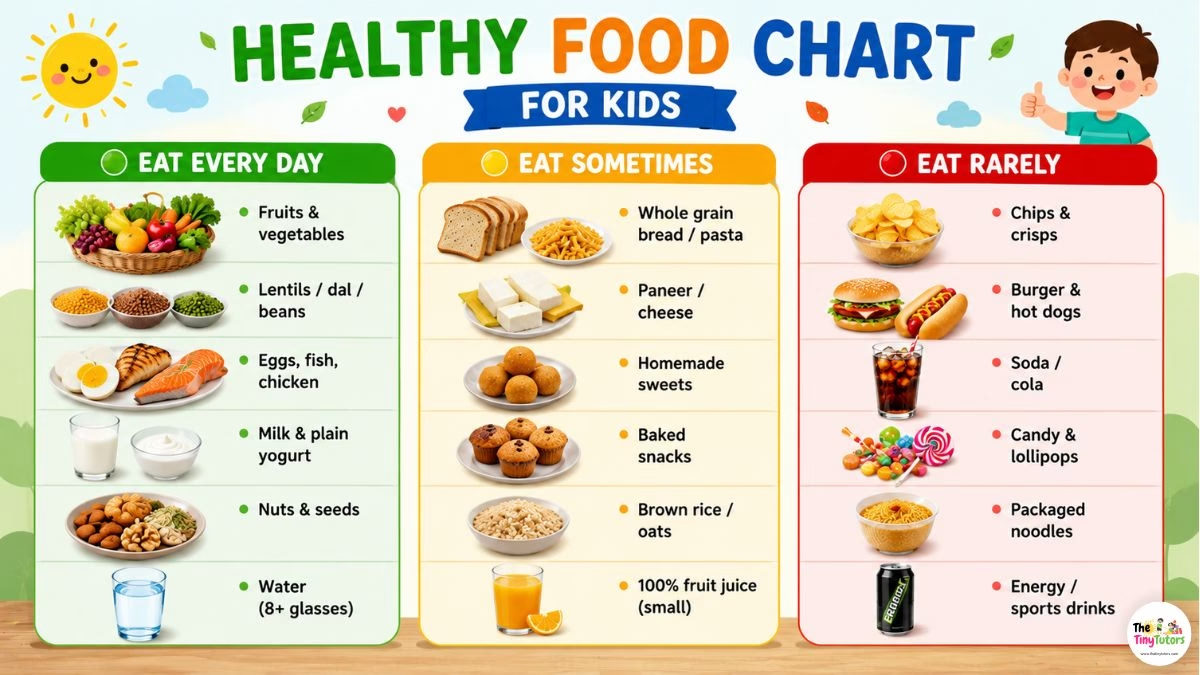
This healthy food vs junk food chart shows kids which foods to eat every day, sometimes, and rarely:
| 🟢 Eat Every Day | 🟡 Eat Sometimes | 🔴 Eat Rarely |
|---|---|---|
| Fruits & vegetables | Whole grain bread / pasta | Chips & crisps |
| Lentils / dal / beans | Paneer / cheese | Burger & hot dogs |
| Eggs, fish, chicken | Homemade sweets | Soda / cola |
| Milk & plain yogurt | Baked snacks | Candy & lollipops |
| Nuts & seeds | Brown rice / oats | Packaged noodles |
| Water (8+ glasses) | 100% fruit juice (small) | Energy / sports drinks |
📋 Healthy & Unhealthy Food List for Kids
Here’s a simple healthy and unhealthy food list for kids that can be printed and stuck on the refrigerator at home!
| ✅ Healthy Foods | ❌ Junk Foods |
|---|---|
| 🍎 Apple | 🍬 Candy bar |
| 🥕 Carrot sticks | 🍟 French fries |
| 🥚 Boiled eggs | 🍩 Donut |
| 🍌 Banana | 🥤 Cola / Soda |
| 🥦 Broccoli | 🍔 Burger |
| 🥛 Milk | 🧃 Packaged fruit drink |
| 🥜 Almonds | 🍕 Deep-dish pizza |
| 🍳 Dal & rice | 🌮 Fried tacos |
| 🫐 Blueberries | 🎂 Store-bought cake |
| 🫛 Green peas | 🍭 Cotton candy |
🍽️ Healthy Meal Plate for Kids
A balanced meal plate makes it super easy for kids to understand portion sizes. Here’s how to build the perfect plate — no junk food needed! 🌟
Parents and teachers who want to explore a balanced plate in more detail can also refer to the MyPlate healthy eating guide, which provides age-appropriate healthy eating recommendations and meal planning tips.
| 🥦 Half the Plate | 🍚 One Quarter | 🥚 One Quarter | 🥛 On the Side |
|---|---|---|---|
| Vegetables & Fruits Spinach, carrot, tomato Sliced apple, grapes Cucumber, sweet corn | Whole Grains Brown rice or roti Whole wheat bread Oats or barley | Protein Dal, beans, or lentils Chicken, fish, or eggs Tofu or paneer | Dairy Glass of milk Plain yogurt / curd Small piece of cheese |
💡 Tip: Try to make the plate as colorful as possible — more colors usually means more nutrients!
🥝 Healthy Snacks vs Junk Food — Smart Swaps!
One of the biggest battlegrounds in the healthy snacks vs junk food debate is snack time. Here’s how to make a smarter swap every time:
| ❌ Instead of Junk Food… | ✅ Try This Healthy Snack! |
|---|---|
| 🍟 Potato chips | 🥕 Carrot sticks with hummus |
| 🍩 Donut or pastry | 🍌 Banana with peanut butter |
| 🥤 Cola / soda | 💧 Infused water or coconut water |
| 🍭 Gummy candy | 🍇 Fresh grapes or berries |
| 🍕 Packaged pizza puffs | 🧀 Whole grain crackers with cheese |
| 🧁 Store-bought cupcake | 🍓 Yogurt with fruit & granola |
| 🍦 Sugary ice cream | 🍡 Frozen banana “nice cream” |
| 🍫 Chocolate bar | 🥜 Mixed nuts & dark chocolate |
🎯 Challenge for Kids! This week, try replacing ONE junk food snack with a healthy snack each day. By the end of the week, that’s 7 healthy choices — you’re already a Snack Champion! 🏆
🎒 Healthy Lunchbox Ideas for Kids
Packing a healthy lunchbox doesn’t have to be boring! Here are 5 fun, nutritious, and kid-approved lunchbox ideas that leave junk food behind:
🌟 Lunchbox 1 — The Rainbow Box
🥪 Whole wheat chicken / paneer sandwich | 🍊 Orange slices | 🥦 Steamed broccoli | 🥛 Small carton of milk
🌟 Lunchbox 2 — The Power Box
🍚 Dal rice with a side of yogurt | 🥕 Carrot & cucumber sticks | 🍇 A small bunch of grapes
🌟 Lunchbox 3 — The Fun Wrap
🌯 Whole wheat veggie wrap with hummus | 🍌 Half a banana | 🥜 Small portion of almonds
🌟 Lunchbox 4 — The DIY Snack Plate
🥚 2 boiled eggs | 🧀 Whole grain crackers with cheese | 🍓 A cup of strawberries
🌟 Lunchbox 5 — The Protein Star
🐟 Tuna / fish curry with brown rice | 🥦 Side salad with olive oil dressing | 🍑 Peach or seasonal fruit
🚫 Avoid packing: chips, soda, packaged sweets, candy, sugary juice boxes, or maida-based snacks.
🎨 Teaching Healthy Food Through Activities
Children learn best when they’re having fun! Here are creative classroom and home activities that make the healthy vs junk food lesson stick:
- 🍽️ My Plate Art: Draw a paper plate and color it with healthy foods. Kids learn portions while being creative!
- 🛒 Supermarket Sort: Show food pictures and ask kids to sort them into “Healthy Basket” and “Junk Basket.”
- 🌱 Grow Your Own Food: Plant seeds in pots — tomatoes, coriander, or herbs. Kids who grow food love to eat it!
- 📖 Food Label Detective: Bring in 3 snack packets. Read the labels together. Which has the most sugar? Most protein?
- 🎲 Healthy Food Bingo: Make bingo cards with fruits and vegetables. Call them out and kids stamp or mark them!
- 🥗 Mini Chef Day: Let kids assemble their own fruit salad, veggie wrap, or sandwich — no cooking needed!
👉 Want more learning fun? Check out our Kids Learning Hub on The Tiny Tutors for more engaging educational content!
🎉 Quiz Time! — Healthy vs Junk Food
Let’s see how much you know about healthy vs junk food! Read each question and pick your answer. 🌟
1️⃣ Which food gives you energy that lasts for a long time?
A) Cola drink B) Oatmeal with banana 🍌 C) Candy bar D) French fries
✅ Answer: B) Oatmeal with banana
2️⃣ How many teaspoons of sugar does a 350 ml can of cola contain?
A) 2 teaspoons B) 5 teaspoons C) 10 teaspoons D) 1 teaspoon
✅ Answer: C) 10 teaspoons 😲
3️⃣ Which vitamin helps you see well in the dark?
A) Vitamin C B) Vitamin B C) Vitamin A 🥕 D) Vitamin K
✅ Answer: C) Vitamin A
4️⃣ Which of these is a healthy snack?
A) Chips and soda B) Gummy bears C) Apple slices with peanut butter 🍎 D) Chocolate donuts
✅ Answer: C) Apple slices with peanut butter
5️⃣ What should be the biggest portion on a healthy meal plate?
A) Sugar and sweets B) Fried foods C) Fruits and vegetables 🥦 D) Chocolate milk
✅ Answer: C) Fruits and vegetables
🔎 Food Label Reading — Know What You’re Eating!
Reading food labels is a skill that helps kids (and adults!) make smarter healthy vs junk food decisions at the store.
📦 5 Things to Always Check on a Label
- 🔢 Serving Size: Many packets have 2–3 servings, so all the numbers multiply! Always check this first.
- 🍬 Total Sugar: For kids, aim for less than 12g of sugar per serving in snacks.
- 🧂 Sodium (Salt): High sodium means high blood pressure risk. Under 200mg per serving is ideal.
- 🥑 Type of Fat: Avoid “trans fats” — they’re the worst! Prefer “unsaturated fats.”
- 🌾 Fiber: More fiber is better — it keeps you full and aids digestion. Look for 3g or more per serving.
🚦 Quick Label Traffic Light System
| Color | What It Means | Sugar / Fat / Salt |
|---|---|---|
| 🟢 Green | Healthy — eat freely | Low amounts |
| 🟡 Amber | Okay sometimes | Medium amounts |
| 🔴 Red | Limit this — junk zone | High amounts |
🚫 Healthy Eating Myths — Busted!
There are lots of confusing myths around healthy food vs junk food. Let’s clear them up once and for all:
❌ Myth 1: “Healthy food is boring and tasteless.”
✅ Truth: Healthy food can be absolutely delicious! A mango lassi, a homemade fruit smoothie bowl, or a crispy baked sweet potato is both nutritious and super tasty!
❌ Myth 2: “Kids need junk food treats to stay happy.”
✅ Truth: Happiness doesn’t come from sugar — in fact, sugar crashes cause sadness and irritability. Healthy food provides the stable mood and energy kids need to truly feel great.
❌ Myth 3: “Fruit juice is as good as eating fruit.”
✅ Truth: Packaged juice often has added sugar and zero fiber. A whole fruit is always better — the fiber slows sugar absorption and keeps you fuller longer.
❌ Myth 4: “Fat-free means healthy.”
✅ Truth: Many “fat-free” products replace fat with extra sugar to keep the taste. Always check the full label. Healthy fats from nuts and avocado are actually essential for kids’ brain development.
❌ Myth 5: “Eating healthy is expensive.”
✅ Truth: Seasonal fruits, vegetables, eggs, lentils, and whole grains are among the most affordable foods available. A bag of lentils or a dozen eggs costs far less than packaged junk food!
👨👩👧 Tips for Parents — Making Healthy Eating Easy
- Stock the kitchen wisely: If healthy food is what’s available, that’s what kids will eat. Keep fruits, nuts, yogurt, and boiled eggs ready as grab-and-go snacks.
- Cook together: Kids who help make their meals are more excited to eat them. Start with simple tasks like washing vegetables or stirring dals.
- Make it colorful: Use the “rainbow challenge” — how many colors can they get on their plate today?
- No screens during meals: Distracted eating leads to overeating junk. Family mealtimes should be phone-free and conversation-full.
- Teach, don’t restrict: Instead of saying “you can’t eat chips,” explain why chips aren’t good and offer a tasty alternative.
- Don’t use junk food as a reward: Reward with stickers, books, or activity time instead.
- Limit packaged drinks: Replace soda and packaged juice with water, coconut water, or homemade lemonade.
- Lead by example: Children copy what they see. If parents eat a salad, kids want one too!
👉 Looking for worksheets to help your child practice good habits? Download our free printable worksheets for kids on The Tiny Tutors!
👩🏫 Tips for Teachers — Bringing Healthy Eating Into the Classroom
Teachers have the unique opportunity to reach children during their most impressionable years. Here’s how to make the healthy vs junk food lesson memorable and effective:
- 📚 Integrate nutrition into lessons: Use food comparisons in math (compare sugar content), science (how digestion works), and English (write a story about a healthy food hero).
- 🎨 Create a Food Chart Wall: Display a classroom “Eat Well” poster with pictures of healthy and junk foods so kids see it every day.
- 🥗 Host a Healthy Snack Day: Once a month, ask kids to bring one healthy snack to share.
- 📝 Use free worksheets: Download our Grade 1 Worksheets from The Tiny Tutors for food-themed exercises.
- 🎬 Show educational videos: Check out our educational videos for classroom-ready content.
- 🏃 Connect food to energy: Ask kids to notice how they feel after eating different foods — more energetic? Sleepy?
- ✍️ Assign food journal homework: Ask students to write what they ate for dinner and whether it was healthy or junk — with a smiley face rating!
- 🌱 Start a class garden: Even a small pot with tomatoes teaches kids to respect and enjoy real food.
❓ Frequently Asked Questions — Healthy vs Junk Food
Q1: What is the main difference between healthy food and junk food?
The biggest difference is nutritional value. Healthy foods contain essential vitamins, minerals, proteins, healthy fats, and fiber that help the body grow and function. Junk foods are high in calories, sugar, salt, and unhealthy fats but offer very little real nutrition. In short — healthy food builds you up; junk food breaks you down over time.
Q2: Why is healthy vs junk food important for kids to learn about?
Children’s bodies and brains are developing rapidly. The food they eat directly affects how tall they grow, how well they think, how energetic they are, and how healthy they’ll be as adults. Teaching healthy vs junk food early means building lifelong smart eating habits that pay off for decades.
Q3: Can kids eat junk food sometimes?
Yes — occasional treats are perfectly fine and actually healthy for a balanced relationship with food. The key is that junk food should be a rare treat (once a week or less), not a daily habit. The 80/20 rule works well: eat healthy 80% of the time and treat yourself 20% of the time.
Q4: What are the best healthy snacks for kids?
Great healthy snacks include apple slices with peanut butter, carrot sticks with hummus, a banana, a small bowl of yogurt with berries, boiled eggs, mixed nuts, whole grain crackers with cheese, and homemade fruit smoothies.
Q5: How much sugar should a child eat per day?
Children aged 2–18 should consume no more than 25 grams (about 6 teaspoons) of added sugar per day. Many junk foods and drinks exceed this in a single serving — which is exactly why understanding healthy vs junk food is so critical.
Q6: What are some easy healthy food vs junk food activities for the classroom?
Teachers can use food sorting games (healthy basket vs junk basket), “My Healthy Plate” drawing activities, label-reading detective missions, class food journals, and Healthy Snack Days where students bring fruits or veggies to share.
Q7: Does junk food really affect a child’s ability to learn?
Yes, research consistently shows that diets high in sugar and unhealthy fats can impair memory, concentration, and academic performance in children. On the other hand, healthy foods support better brain function, sharper memory, and improved attention spans — all essential for learning.
🎯 Conclusion — Small Choices, Big Changes!
The journey of understanding healthy vs junk food is one of the most valuable lessons a child can learn. Every meal, every snack, every lunchbox choice is a small step toward a healthier, happier, and smarter life. 🌟
We’ve explored everything from what makes healthy food vs junk food different, to a practical meal plate, real snack swaps, lunchbox ideas, and activities that make learning about nutrition fun. The most important takeaway? It’s not about being perfect — it’s about making more good choices than bad ones, day after day.
For parents — stock your kitchen with color and life. For teachers — use food as a doorway to science, math, and health. For kids — remember that every carrot, apple, and glass of water is a superpower in disguise! 🦸♂️🥕
🌟 Final Fun Fact! Did you know that kids who eat regularly with their families are more likely to choose healthy foods and less likely to develop eating problems later in life? The family table is one of the most powerful health tools there is! 🍽️❤️
📚 Keep the Learning Going!
Explore more fun educational content for kids, free worksheets, and learning videos at 👉 TheTinyTutors.com