
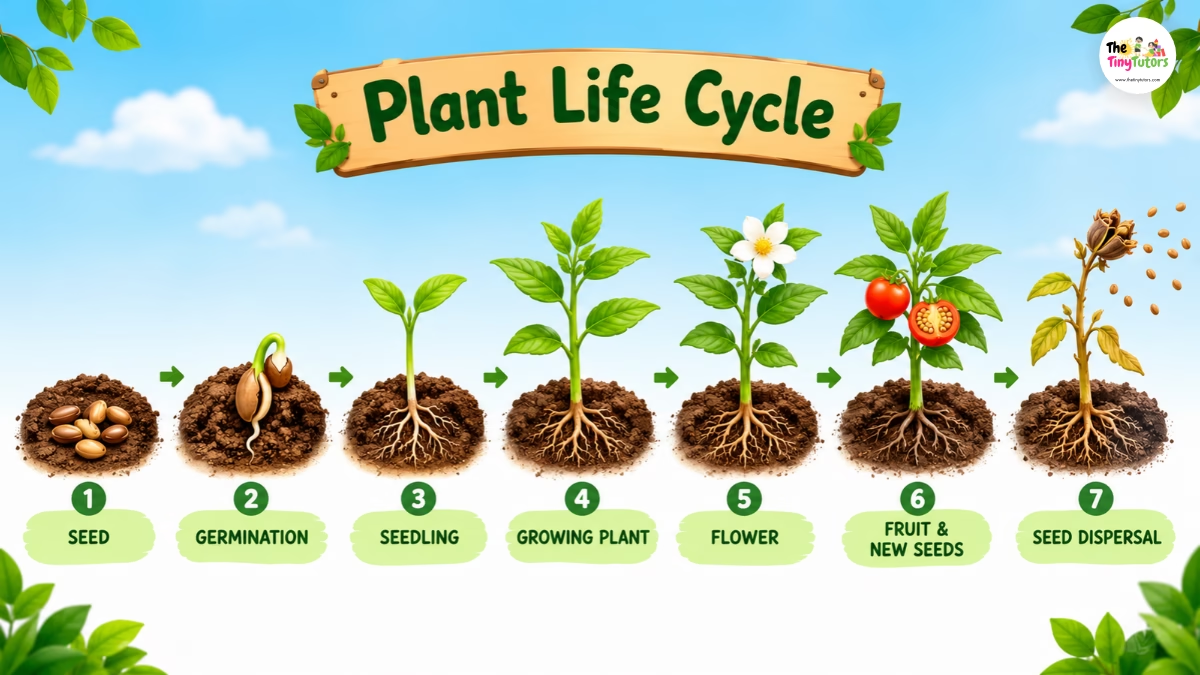
Have you ever wondered how a tiny seed grows into a plant with roots, stems, leaves, flowers, and sometimes fruit? The plant life cycle for kids explains how a plant grows, changes, makes new seeds, and starts the cycle again.
- What Is the Plant Life Cycle?
- 7 Stages of the Plant Life Cycle
- What Does a Seed Need to Grow?
- Why Are Flowers Important?
- How Does Pollination Help Plants?
- Plant Life Cycle Diagram for Kids
- Fun Plant Life Cycle Facts for Kids
- Common Questions About the Plant Life Cycle
- Conclusion: The Plant Life Cycle Is an Amazing Journey
- Quick Summary for Kids
A seed may look small, but it contains a tiny baby plant. When it gets the right conditions, it can begin to grow. A root grows downward, a shoot grows upward, leaves develop, and a mature flowering plant may produce flowers and new seeds.
In this guide, kids will learn the 7 simple stages of the plant life cycle in order. We will also learn what seeds need to grow, why flowers are important, how pollination works, how seeds form, and how seeds travel to new places.
Quick idea: A plant life cycle is called a cycle because new seeds can grow into new plants and begin the process again.
What Is the Plant Life Cycle?
The plant life cycle for kids is the series of changes a plant goes through as it grows and makes new seeds.
This guide mainly describes the life cycle of flowering plants. These plants produce flowers and seeds. When a seed gets the right conditions, it begins to grow into a young plant. The plant develops roots, a stem, and leaves. When it becomes mature, it may produce flowers.
After pollination, new seeds can form. In many flowering plants, the part of the flower called the ovary grows into a fruit that contains or protects the seeds.
The seeds can then move to new places and may grow into new plants.
A simple way to remember the process is:
Seed → Germination → Seedling → Growing Plant → Flower → Fruit & Seeds → Seed Dispersal → New Plant
Note: Different science books may divide the plant life cycle into fewer or more stages. Some combine flowering, pollination, and seed formation, while others explain them separately. This guide uses seven easy stages to help kids understand the process.
Plant Life Cycle in Order
Here is the plant life cycle for kids in a simple sequence:
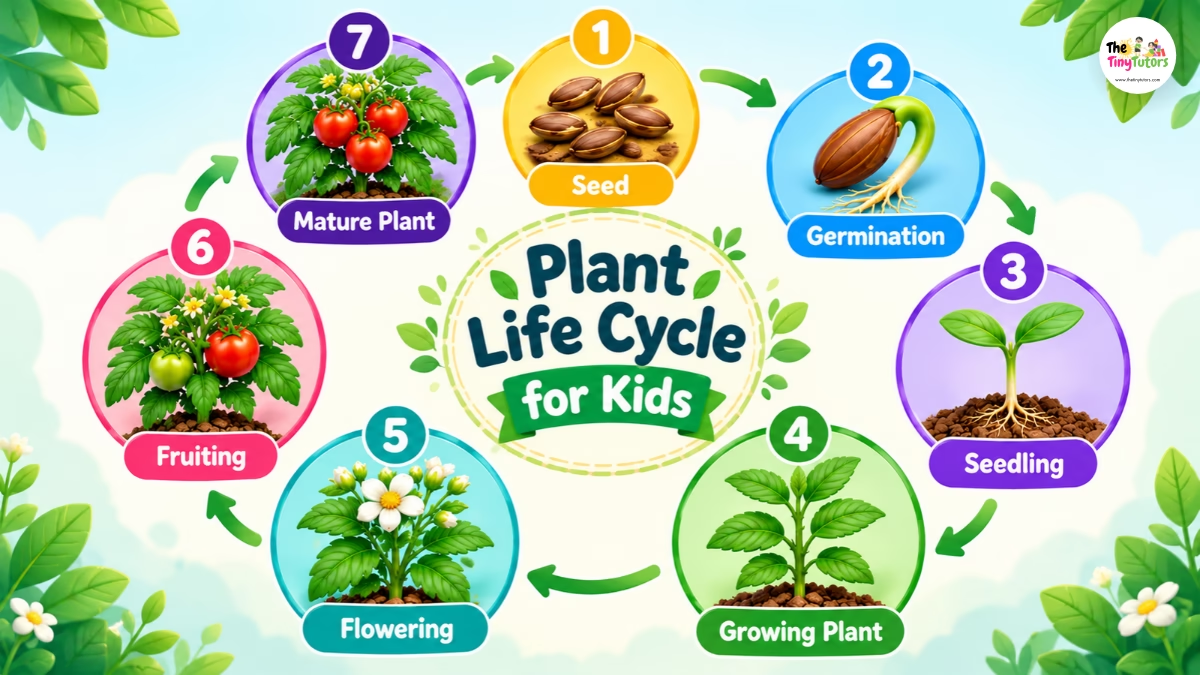
- Seed – A tiny baby plant begins inside a seed.
- Germination – The seed takes in water and starts to grow.
- Seedling – A young plant develops roots, a stem, and leaves.
- Growing Plant – The plant becomes bigger and develops more roots, stems, and leaves.
- Flowering – A mature flowering plant produces flowers.
- Fruit and Seed Formation – After pollination, new seeds can form, and in many flowering plants, the ovary grows into a fruit.
- Seed Dispersal – Seeds move away from the parent plant and may begin a new cycle.
Now, let’s look at each stage more closely.
7 Stages of the Plant Life Cycle
1. Seed: Where a New Plant Begins
The first stage is the seed.
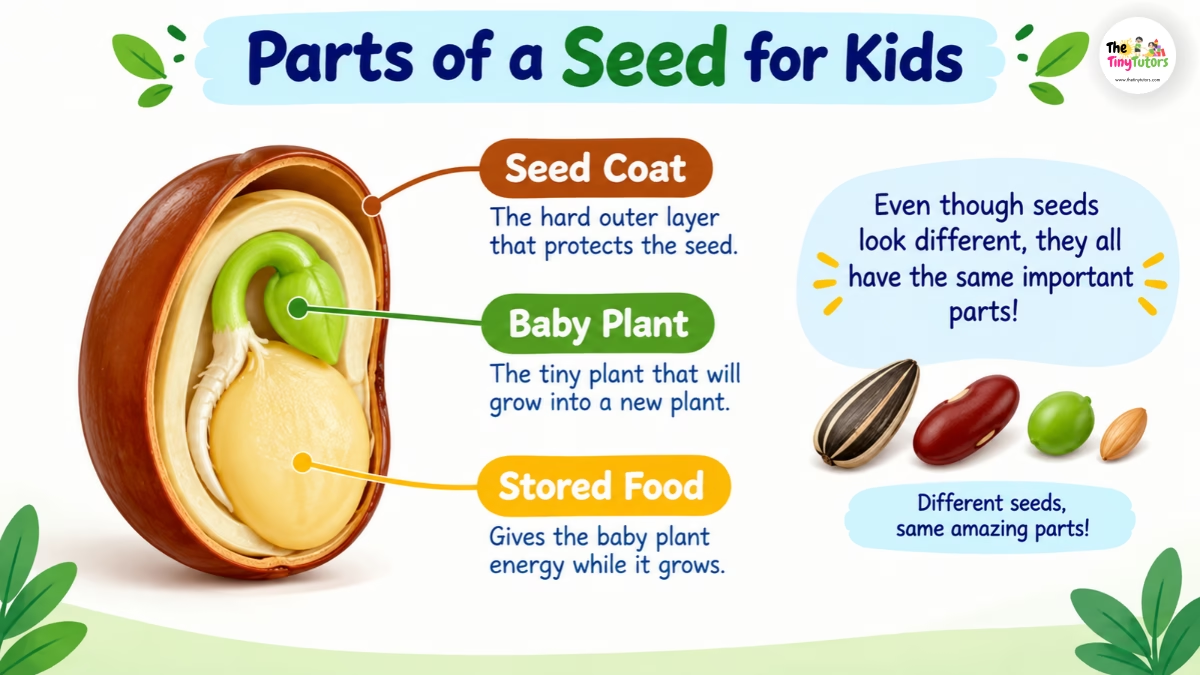
A seed may be tiny, but it contains a tiny baby plant. It also has stored food that helps the baby plant during its early growth. A protective seed coat surrounds the seed.
Seeds come in many shapes, sizes, and colors.
A sunflower seed looks different from a bean seed. A pea seed looks different from a tomato seed. Some seeds are tiny, while others are much larger.
Even though seeds can look very different, their main job is to help produce new plants.
What Is Inside a Seed?
A typical seed contains:
- Baby plant – the young plant inside the seed
- Stored food – gives the young plant energy while it starts growing
- Seed coat – protects the seed
The parts of a seed can be different in different plants.
Simple Example
Think about a bean seed.
When a bean seed gets the right conditions, it takes in water and begins to swell. The seed coat may split, and the first root begins to come out.
This is the beginning of germination.
2. Germination: The Seed Starts Growing
The second stage is germination.
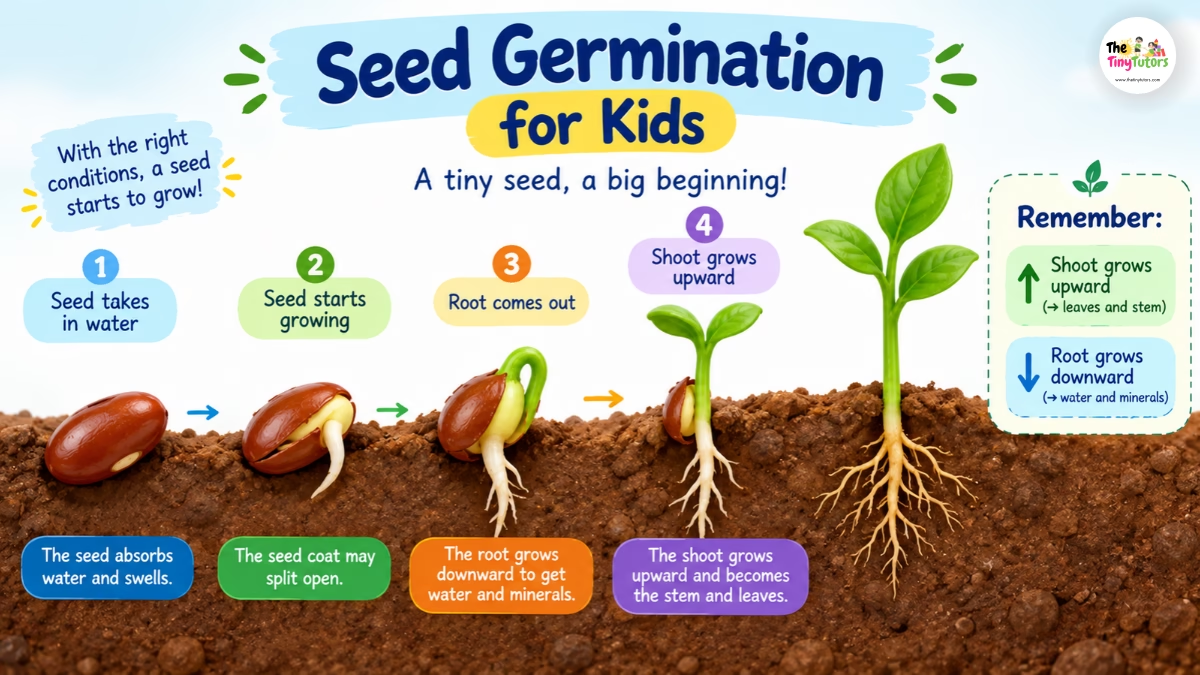
Germination is when a seed starts to grow and develop into a young plant.
Water is important because the seed needs to take in moisture before it can start growing. Seeds also need oxygen and the right temperature. Different plants have different needs.
As germination begins, the first root usually grows downward. The shoot then grows upward.
What Happens During Germination?
A simple sequence is:
Seed takes in water → Seed starts growing → Root comes out → Shoot grows upward
The root helps hold the young plant in place and takes in water and minerals.
The shoot grows upward and develops into the stem and leaves.
Germination Is Only the Beginning
Germination does not mean the plant is fully grown.
It is only the beginning of growth.
After germination, the young plant continues developing into a seedling.
3. Seedling: The Young Plant
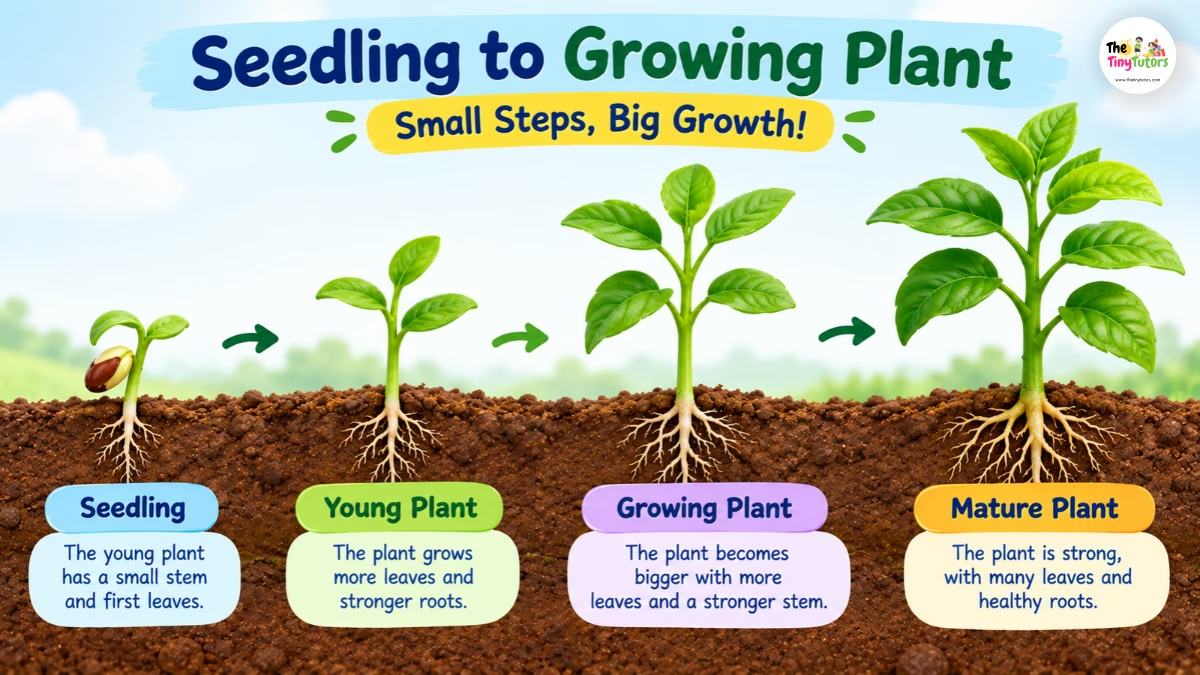
After germination comes the seedling stage.
A seedling is a young plant that has started developing its main plant parts.
These include:
- Roots
- A young stem
- Leaves
The roots continue growing downward while the shoot grows upward.
As the leaves develop, they can use sunlight to help the plant make food. This process is called photosynthesis.
In simple words, photosynthesis helps green plants use sunlight, water, and air to make the food they need to grow.
Why Are Leaves Important?
Leaves are important because they catch sunlight and help the plant make food.
The food made by the leaves supports the plant as it grows.
What Does a Seedling Need?
A young plant needs the right conditions, such as:
- Water
- Light
- Air
- The right temperature
- Nutrients
Different plants have different needs. So, there is no single amount of water or sunlight that is perfect for every plant.
4. Growing Plant: Roots, Stems, and Leaves Develop
The seedling continues to grow.
Its roots become stronger, the stem becomes stronger, and more leaves may appear.
This is the growing plant stage.
During this stage, the plant develops the parts it needs to live and later produce flowers and seeds.
What Happens to the Roots?
Roots grow through the soil or another growing material.
They help:
- Hold the plant in place
- Take in water
- Take in minerals and nutrients
Some plants have deep roots, while others have roots that spread close to the soil surface.
What Happens to the Stem?
The stem supports the leaves and other parts of the plant.
It also helps move water and minerals from the roots to other parts of the plant.
What Happens to the Leaves?
Leaves catch sunlight and help the plant make food.
As the plant grows, its leaves help provide the food and energy needed for growth.
Eventually, many flowering plants become mature enough to produce flowers.
5. Flowering: The Plant Gets Ready to Make Seeds
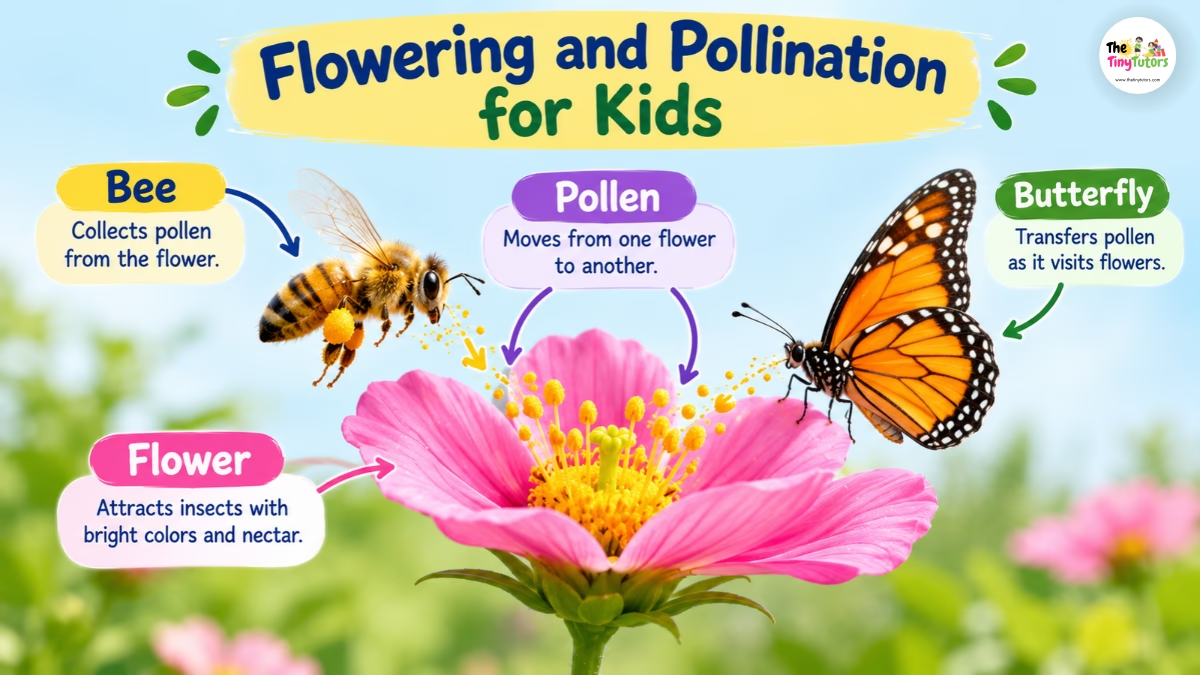
For flowering plants, producing flowers is an important part of making new seeds.
Flowers have special parts that help with this process.
A flower may attract bees and other pollinators with its:
- Color
- Scent
- Shape
- Nectar
Bees, butterflies, moths, birds, bats, and other animals can help move pollen between flowers. Wind can also move pollen.
What Is Pollen?
Pollen is a powder made by flowers that helps flowering plants make seeds.
In many flowers, pollen is made in a part called the anther.
For a plant to make seeds, pollen needs to reach the right part of a flower.
This movement of pollen is called pollination.
6. Fruit and Seed Formation
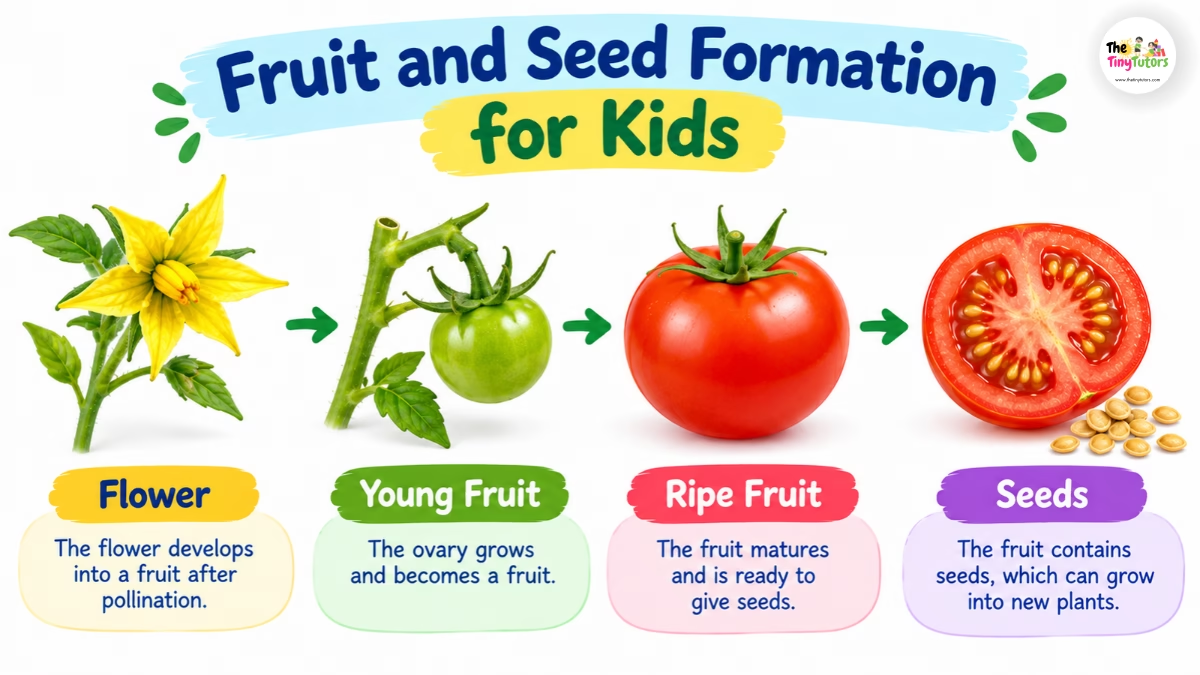
After successful pollination, fertilization can happen.
Fertilization is a process that helps new seeds begin to form.
In many flowering plants, the ovary of the flower grows into a fruit. The fruit can help protect the seeds and can also help move them to new places.
Some familiar fruits that contain seeds include:
- Apples
- Tomatoes
- Peppers
- Cucumbers
- Peaches
In everyday language, we may call some foods vegetables. But tomatoes, peppers, and cucumbers are fruits because they grow from flowers and contain seeds.
Why Are Seeds Important?
Seeds help make the next generation of plants.
When mature seeds reach the right conditions, they can germinate and begin growing into new plants.
So, when a plant makes new seeds, the life cycle can continue.
7. Seed Dispersal: Seeds Travel to New Places
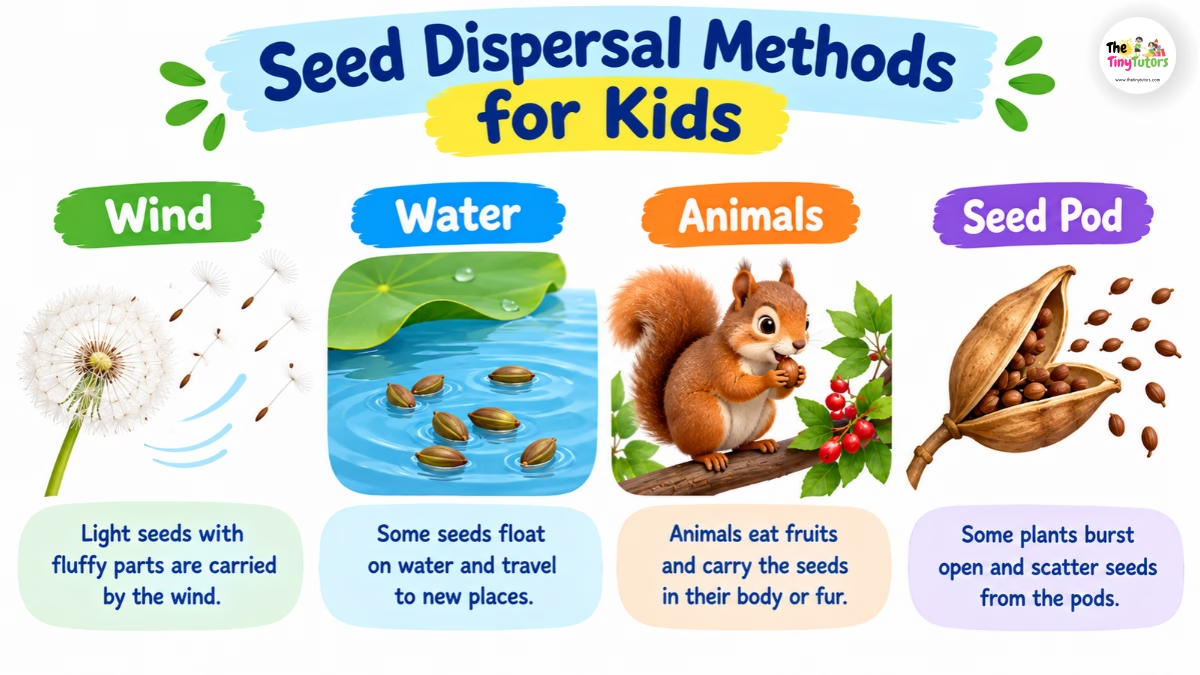
The final stage in our simple plant life cycle for kids is seed dispersal.
Seed dispersal means moving seeds away from the parent plant.
Why is this useful?
If all the seeds fell directly beside the parent plant, many young plants would have to compete for light, water, nutrients, and space.
Moving seeds to different places gives them more opportunities to grow.
How Do Seeds Travel?
Seeds can move in several ways.
Wind
Some seeds are light and have parts that help them move through the air.
Dandelion seeds are a familiar example.
Water
Some seeds can float and travel through water.
This can help plants that grow near rivers, ponds, wetlands, or coastlines.
Animals
Animals can carry seeds on their bodies or move seeds after eating fruits.
The seeds may later be dropped in another place.
Fruits or Seed Pods
Some plants have fruits or seed pods that split open and scatter their seeds.
Once a seed reaches a suitable place and gets the conditions it needs, the life cycle can begin again.
Seed → Germination → Seedling → Growing Plant → Flower → Seeds → Seed Dispersal → New Plant
And the cycle continues.
What Does a Seed Need to Grow?
One of the easiest ways to understand plant growth is to ask:
What does a seed need before it can grow?
For many common plants, the right conditions include:
Water
Seeds generally need water to begin growing.
Water helps the seed take in moisture and start the changes needed for growth.
Suitable Temperature
Seeds need the right temperature to grow.
Different plants need different temperatures, so the best temperature is not the same for every seed.
Oxygen
Seeds need oxygen to get the energy they need to start growing.
Light and Other Growing Conditions
After a seedling develops, it needs suitable light, water, nutrients, and temperature to continue growing.
What About Soil?
Many plants grow well in soil, but soil is not the only thing plants need.
Plants need water, nutrients, oxygen, and support to grow.
Some plants can also grow without ordinary soil when they get what they need in other ways.
Why Are Flowers Important?
Flowers are important because they help flowering plants make seeds.
A flower may contain:
- Anther – makes pollen
- Stigma – receives pollen
- Style – connects the stigma to the ovary
- Ovary – contains tiny parts where seeds can begin to form
- Petals – often help attract pollinators
- Sepals – help protect the flower bud
Not every flower looks the same.
Some flowers are large and colorful, while others are small and less noticeable.
A flower’s shape and appearance can help it attract the pollinators it needs.
How Does Pollination Help Plants?
Pollination happens when pollen moves to the stigma of a flower.
Pollination can happen in several ways.
Insects
Bees and other insects may visit flowers to collect nectar or pollen.
As they move from flower to flower, pollen can stick to their bodies and move to another flower.
Wind
Some plants use wind to move pollen.
These plants often have small or less noticeable flowers because they do not need to attract insects in the same way.
Birds and Other Animals
Some plants are pollinated by birds, bats, and other animals.
Different plants use different ways to move pollen.
Plant Life Cycle Diagram for Kids
A simple diagram can make the entire process easier to remember.
🌱 Plant Life Cycle
1. SEED
↓
2. GERMINATION
↓
3. SEEDLING
↓
4. GROWING PLANT
↓
5. FLOWER
↓
6. FRUIT & NEW SEEDS
↓
7. SEED DISPERSAL
↓
NEW SEED
The arrow returns to the beginning because new seeds can start another plant life cycle.
Easy Memory Trick
Remember:
Seed → Sprout → Seedling → Plant → Flower → Seeds → Spread
This shorter version can help younger children remember the main steps.
Fun Plant Life Cycle Facts for Kids
Here are some fun facts to make the lesson more interesting.
🌱 Fact 1: Seeds Can Look Completely Different
A tiny carrot seed and a large coconut seed look very different, but both can grow into new plants.
🌻 Fact 2: Sunflowers Produce Many Seeds
A sunflower head contains many small flowers. After pollination, some of these flowers can develop into seeds.
🌳 Fact 3: Plants Have Different Life Spans
Some plants complete their life cycle in one growing season, while others can live for many years.
🌿 Fact 4: Not All Plants Make Flowers
Flowering plants produce flowers and seeds, but plants such as ferns use spores instead of seeds to make new plants.
So, the seven-stage cycle in this article mainly describes flowering plants.
🐝 Fact 5: Pollinators Help Many Plants
Bees and other animals can move pollen between flowers and help many flowering plants make seeds.
🍎 Fact 6: Many Fruits Protect Seeds
A fruit can grow around seeds and help protect them. Fruits can also help seeds travel to new places.
🔄 Fact 7: The Life Cycle Starts Again
A mature flowering plant can make new seeds, and those seeds can begin another plant life cycle.
Common Questions About the Plant Life Cycle
What are the 7 stages of the plant life cycle?
For this kid-friendly guide, the seven stages are seed, germination, seedling, growing plant, flowering, fruit and seed formation, and seed dispersal.
Different textbooks may combine some stages, so you may see fewer or more stages in other diagrams.
What is the first stage of the plant life cycle?
For many flowering plants, the cycle is commonly introduced with the seed stage.
A seed contains a tiny baby plant that can begin growing when it gets the right conditions.
What happens during germination?
During germination, a seed takes in water and starts to grow.
The developing root usually comes out first and grows downward, while the shoot grows upward.
How long does a plant take to complete its life cycle?
There is no single answer.
Different plants have very different life spans.
Some plants complete their life cycle in one growing season, while others live for several years or much longer.
The time also depends on the type of plant and its growing conditions.
Do all plants have flowers?
No.
This article mainly focuses on flowering plants.
Flowering plants make flowers and seeds, while plants such as ferns use spores instead of seeds.
What helps seeds travel?
Seeds can move by wind, water, animals, gravity, or fruits and seed pods that open and release them.
Seed dispersal helps move seeds away from the parent plant and gives them opportunities to grow in new places.
Conclusion: The Plant Life Cycle Is an Amazing Journey
The plant life cycle for kids is a simple way to understand how flowering plants grow, change, make new seeds, and begin again.
It starts with a seed.
The seed germinates and develops into a seedling. The young plant grows roots, a stem, and leaves. As it becomes mature, a flowering plant may produce flowers.
Pollination helps flowers make new seeds. In many flowering plants, the ovary grows into a fruit that helps protect the seeds.
The seeds can then move to new places.
When a seed gets the conditions it needs, it can germinate and start the cycle again.
Remember the 7 Stages:
Seed → Germination → Seedling → Growing Plant → Flower → Fruit & Seeds → Seed Dispersal
Plants may seem still, but their life cycles are full of change.
The next time you see a tiny seed, a new sprout, a flower, or a fruit, think about where that plant might be in its life cycle.
You may be looking at one small part of a much bigger story.
Quick Summary for Kids
🌱 Seed: A tiny baby plant begins inside a seed.
💧 Germination: The seed takes in water and starts growing.
🌿 Seedling: A young plant develops roots, a stem, and leaves.
🌳 Growing Plant: The plant becomes larger and develops more roots, stems, and leaves.
🌸 Flower: A mature flowering plant develops flowers to help make seeds.
🍎 Fruit & Seeds: New seeds develop, and many flowering plants form fruits around them.
🌬️ Seed Dispersal: Seeds move to new places and may begin the cycle again.
That’s the plant life cycle!
Related Articles
🌱 Plant Names for Kids: Easy List and Fun Facts to Learn
Learn about common plant names and different types of plants.
🌎 Ecosystem for Kids: Types, Food Chain & Fun Facts
Discover how plants, animals, sunlight, water, and other parts of nature work together.
🐾Food Chain for Kids: Easy Animal Food Chain Examples & Fun Facts
Learn how plants and animals are connected through food chains.