
Have you ever wondered how a tiny plant can help feed a giant lion or a huge shark? 🌿🦁🦈 Learning about a food chain for kids is a fun way to discover how plants, animals, and nature are all connected. Every animal and plant needs food to live and grow. Every living thing needs energy to survive, and food chains show how that energy moves from one living thing to another.
- Quick Summary 🌿
- What Is a Food Chain?
- Why Is the Food Chain Important?
- Main Parts of a Food Chain
- Producers, Consumers, and Decomposers
- Types of Consumers in Food Chains
- Simple Food Chain Examples for Kids
- Grassland Food Chain
- Ocean Food Chain for Kids
- Rainforest Food Chain for Kids
- Desert Food Chain
- Arctic Food Chain
- What Is a Food Web?
- Food Chain vs Food Web
- Predator and Prey in a Food Chain for Kids
- Fun Facts About Food Chains
- Did You Know? 🌟
- What Happens If One Animal Disappears?
- Human Impact on Food Chains
- Food Chain Activities for Kids
- Food Chain Quiz for Kids
- Frequently Asked Questions
- Final Thoughts
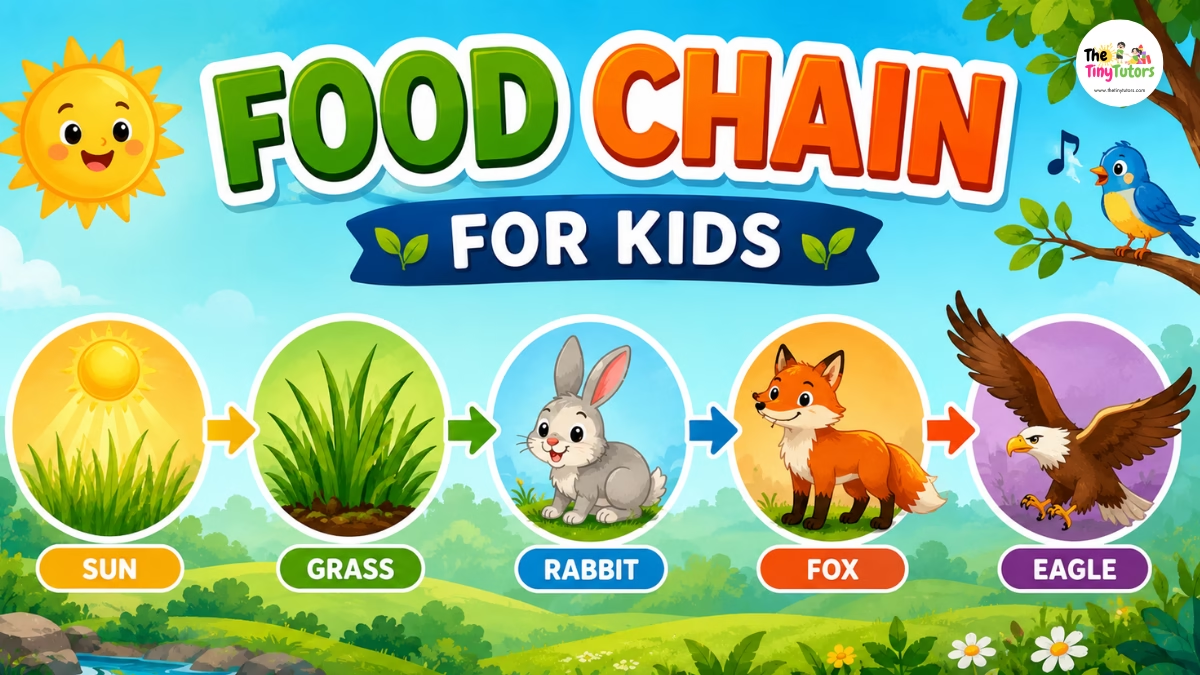
For example, grass grows using sunlight, a rabbit eats the grass, and a fox eats the rabbit. This simple chain helps children understand how animals depend on each other in nature. From oceans and rainforests to deserts and snowy Arctic regions, every habitat has its own amazing food chains filled with interesting creatures and plants. 🌎✨
Understanding food chains also helps kids learn why protecting animals and caring for the environment is important. In this guide, children will explore simple food chain examples, ocean animals, rainforest creatures, exciting science facts, quizzes, and fun learning activities designed especially for young learners. 📚🌿
Quick Summary 🌿
- A food chain for kids helps children understand how plants and animals are connected in nature and how living things get energy to survive.
- Most food chains begin with the Sun and green plants. ☀️🌱
- Some animals eat plants, while others eat smaller animals as part of the natural food chain. 🐇🦊
- Oceans, rainforests, deserts, and grasslands all have different food chains. 🌊🌴🌵
- Food webs connect many food chains together inside an ecosystem. 🕸️
- Producers, consumers, and decomposers help keep nature balanced. 🌍
- Learning about food chains helps children understand animals, habitats, and ecosystems in a fun way. 📚✨
- Every plant and animal plays an important role in nature. 💚
Some food chains are very short, while others can be surprisingly long and complex. 🌎
Have you ever thought about how a tiny insect can become food for much bigger animals? 🐜🦅
What Is a Food Chain?
A food chain for kids explains how living things get food and energy from one another. It shows who eats whom in nature. 🌎
A food chain usually starts with the Sun. Plants use sunlight to make food. Animals then eat plants or other animals.
Simple Example:
Grass → Rabbit → Fox
In this chain:
- Grass makes its own food.
- The rabbit eats the grass.
- The fox eats the rabbit.
By following this simple chain, children can discover how every plant and animal plays a role in the natural world. 🌿
Interesting Fact 🌟:
Most food chains begin with green plants because plants can make food using sunlight.
Why Is the Food Chain Important?
A food chain for kids also helps young learners understand how plants and animals support life inside an ecosystem. 🌎 Every living thing in nature has an important role to play. 🌱🦊
Without food chains, nature would become unbalanced very quickly. Here are a few reasons why food chains are important:
- Animals get energy to survive.
- Nature stays balanced.
- Plants and animals depend on each other.
- Ecosystems stay healthy.
- Scientists learn how nature works.
Without food chains, many animals would not survive.
Example:
If rabbits disappear from a grassland, foxes may not find enough food.
Main Parts of a Food Chain
Every food chain has important parts that work together.
Think of it like a team where every living thing has a special job to do. 🌿
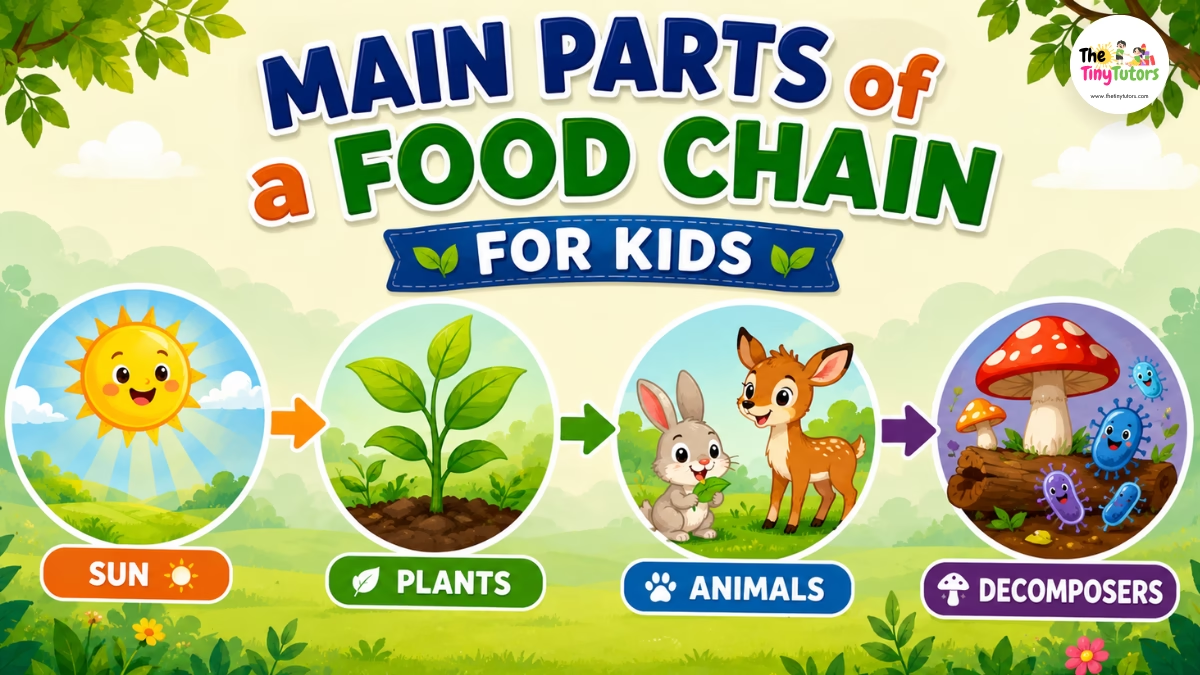
| Part | What It Does |
|---|---|
| Sun | Gives energy to plants |
| Plants | Make food using sunlight |
| Animals | Eat plants or other animals |
| Decomposers | Break down dead things |
The Sun ☀️
The Sun gives energy to plants.
Plants 🌱
Green plants usually come first in a food chain because they create food from sunlight. ☀️🌿
Animals 🐾
Animals eat plants or other animals.
Decomposers 🍄
Tiny organisms such as mushrooms and bacteria help turn dead plants and animals into nutrients that help new plants grow. 🌱
Producers, Consumers, and Decomposers
Scientists group living things into special categories to make food chains easier to understand. 🌎
Producers 🌿
Producers are living things that make their own food.
Examples:
- Grass
- Trees
- Flowers
- Seaweed
Plants use sunlight, water, and air to make food.
Consumers 🐰
Consumers cannot make their own food.
They eat plants or animals.
Examples:
- Rabbits
- Lions
- Birds
- Sharks
Decomposers
Decomposers break down dead plants and animals.
Examples:
- Mushrooms
- Worms
- Bacteria
They help keep nature clean.
Interesting Fact:
Without decomposers, dead plants and animals would pile up everywhere.
Types of Consumers in Food Chains
There are different types of consumers in nature.
 Herbivores 🐄
 Herbivores 🐄
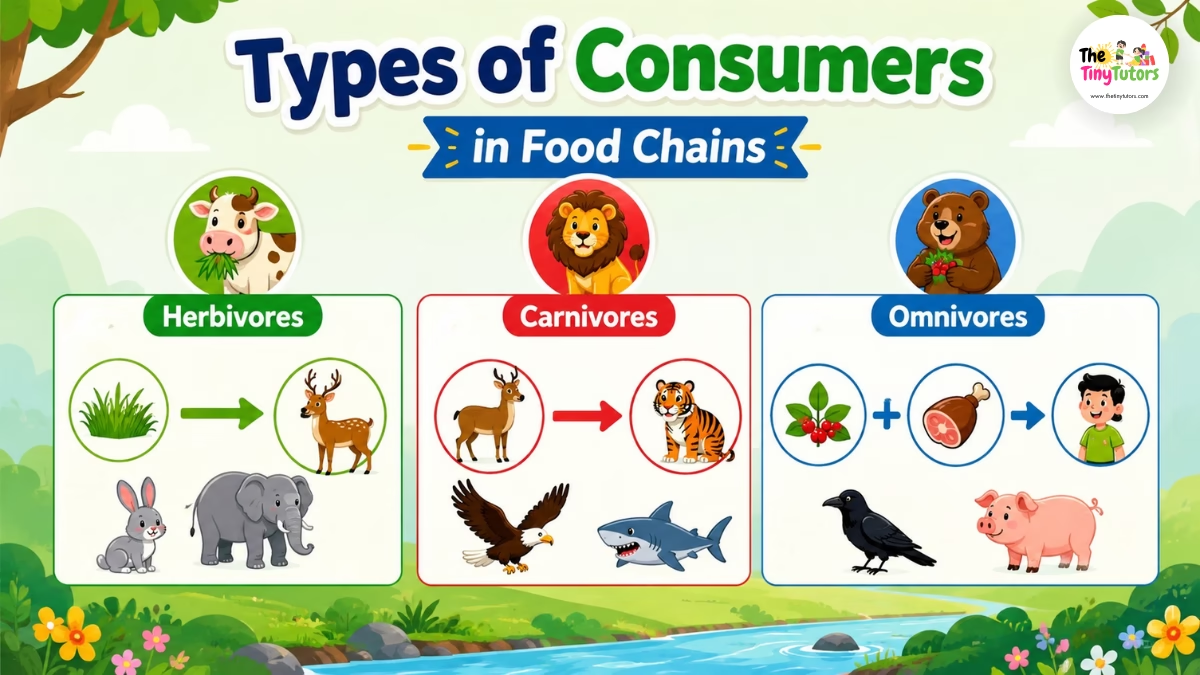
Herbivores eat plants only.
Examples:
- Cow
- Deer
- Rabbit
- Elephant
Carnivores 🦁
Carnivores eat other animals.
Examples:
- Tiger
- Lion
- Eagle
- Shark
Omnivores 🐻
Omnivores eat both plants and animals.
Examples:
- Bear
- Human
- Crow
- Pig
Children can also learn more about plant-eating and meat-eating animals in our detailed guide about herbivores and carnivores.
Simple Food Chain Examples for Kids
Learning with examples makes science fun.
Here are some easy food chain examples for kids.
Let’s look at some interesting food chains found in nature. You may even recognize some of these animals! 🦊🌿
Example 1 🌱
First, a grasshopper eats grass for energy. After that, a frog eats the grasshopper, a snake hunts the frog, and an eagle may later prey on the snake. 🌱🦅
Example 2 🍃
Leaves → Caterpillar → Bird → Hawk
Example 3 🌾
Corn → Mouse → Owl
Example 4 🌊
This ocean food chain begins with tiny plankton, which are eaten by small fish. Bigger fish then hunt the smaller fish, while sharks become powerful predators at the top of the chain. 🌊🦈
Birds like owls, hawks, and eagles are important parts of many food chains. Kids can also explore different Bird Names for Kids to learn more about these flying animals. 🦅📚
These examples help children understand how living things depend on each other.
Grassland Food Chain
Grasslands are large open areas filled with grasses and animals.
Grassland Example 🌾
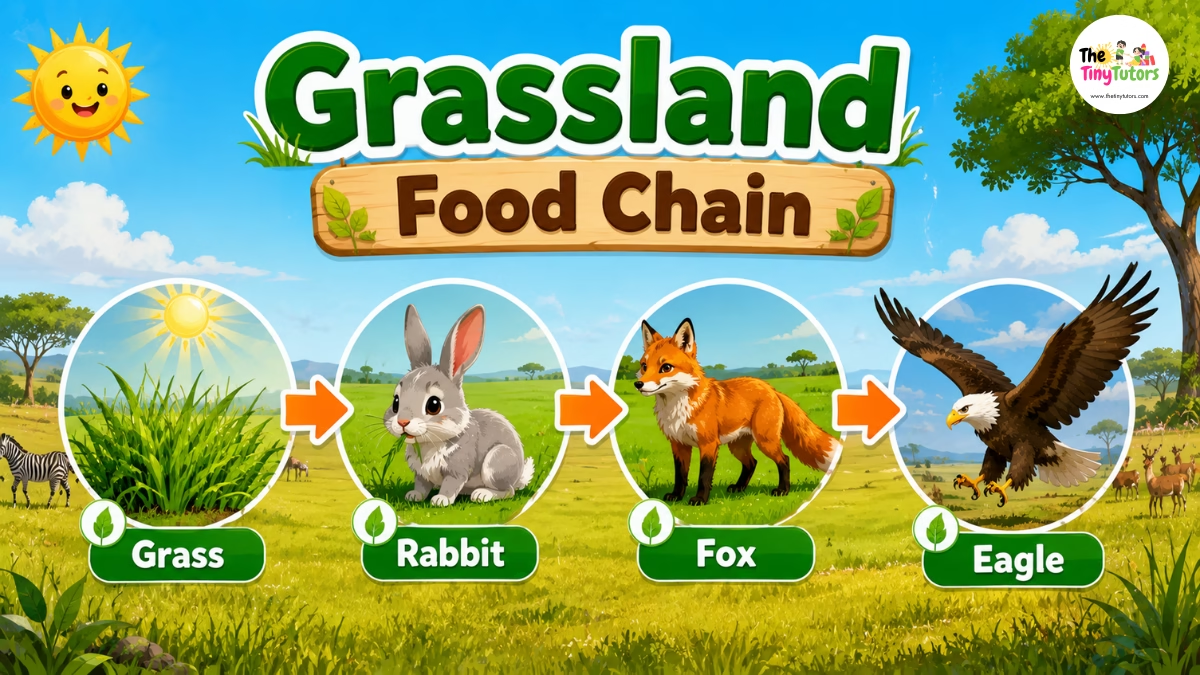
Grass → Rabbit → Fox → Eagle
How It Works
- Grass uses sunlight to grow.
- Rabbits eat grass.
- Foxes hunt rabbits.
- Eagles may hunt smaller animals.
Grasslands are home to many animals like zebras, lions, deer, and snakes.
Learning about a food chain for kids becomes even more exciting when children explore ocean animals and marine ecosystems. 🌊
Ocean Food Chain for Kids
Marine habitats contain many amazing sea creatures and underwater plants. An ocean food chain for kids explains how these living things depend on each other for food and energy in the ocean ecosystem. 🌊🐋
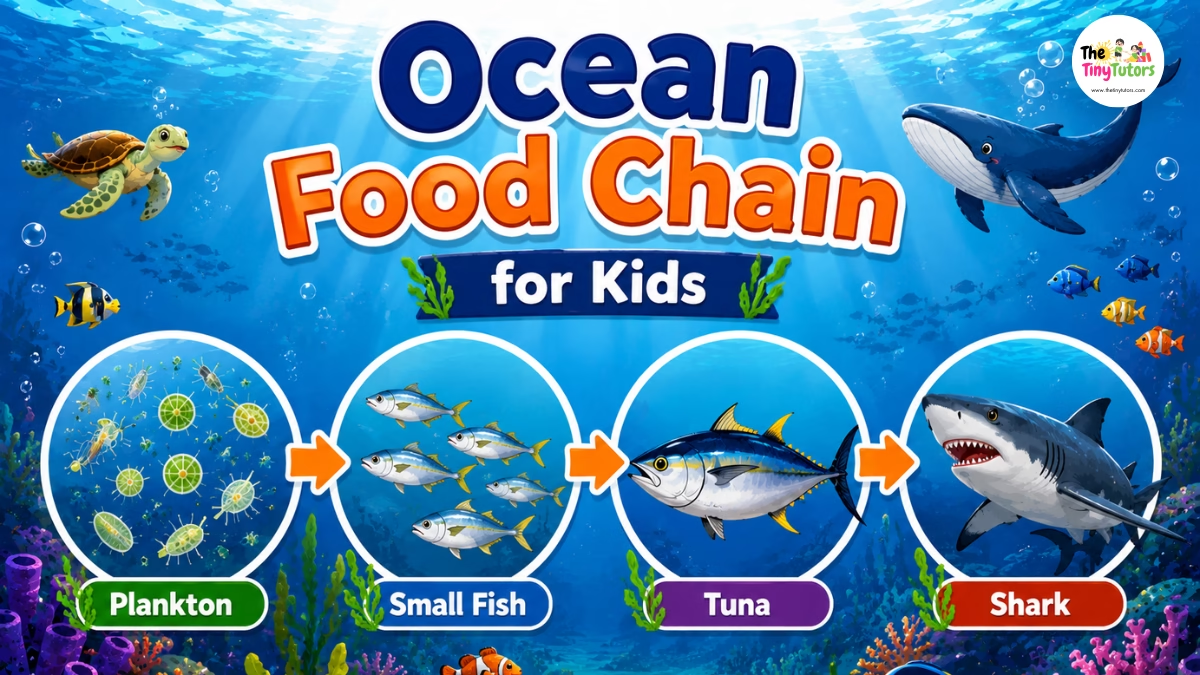
Ocean Food Chain 🌊
Plankton → Small Fish → Tuna → Shark
Ocean Food Chain Explanation
- Tiny plankton float in water.
- Small fish eat plankton.
- Bigger fish eat smaller fish.
- Sharks are top predators.
Can you imagine how many smaller sea creatures help keep the ocean food chain working every day? 🌊
Fun Ocean Fact 🐋:
Huge whales can eat thousands of tiny sea animals every day.
Kids can also learn about amazing sea Animals that live in marine habitats around the world. 🌊🐠
Rainforest Food Chain for Kids
With frequent rain and thick green trees, rainforests provide shelter for many interesting animals, insects, and plants. 🌴🐍
Children can learn how rainforest animals survive and depend on one another through rainforest food chains.
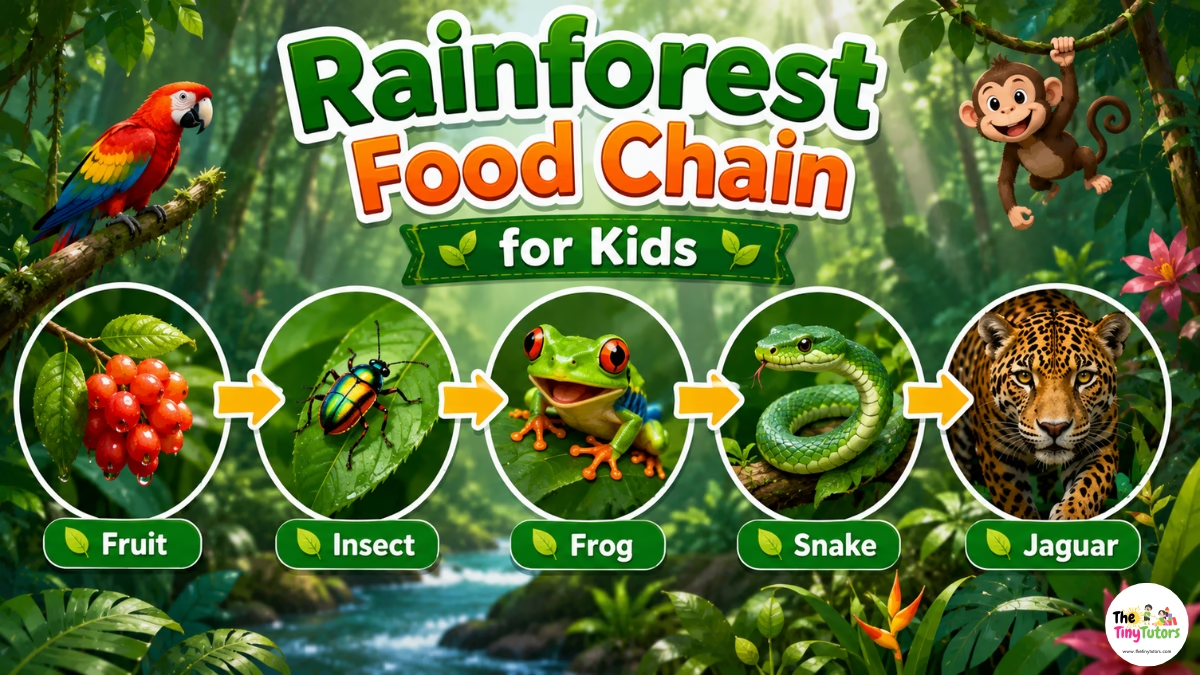
Rainforest Example 🌴
Fruit → Insect → Frog → Snake → Jaguar
Rainforest Animals
- Monkeys
- Jaguars
- Parrots
- Frogs
- Snakes
Children can also discover amazing Rainforest Animals found in jungle ecosystems. 🌴🐒
Rainforests support countless plants and animals and help keep nature healthy around the world. 🌴🌎
Some rainforest food chains are still being studied by scientists because jungles are filled with so many different animals and insects. 🌴
Amazing Fact 🌟:
Some jungle animals blend into leaves, trees, or plants to stay safe from danger. 🐍🌿
Desert Food Chain
Deserts may look empty, but many animals live there.
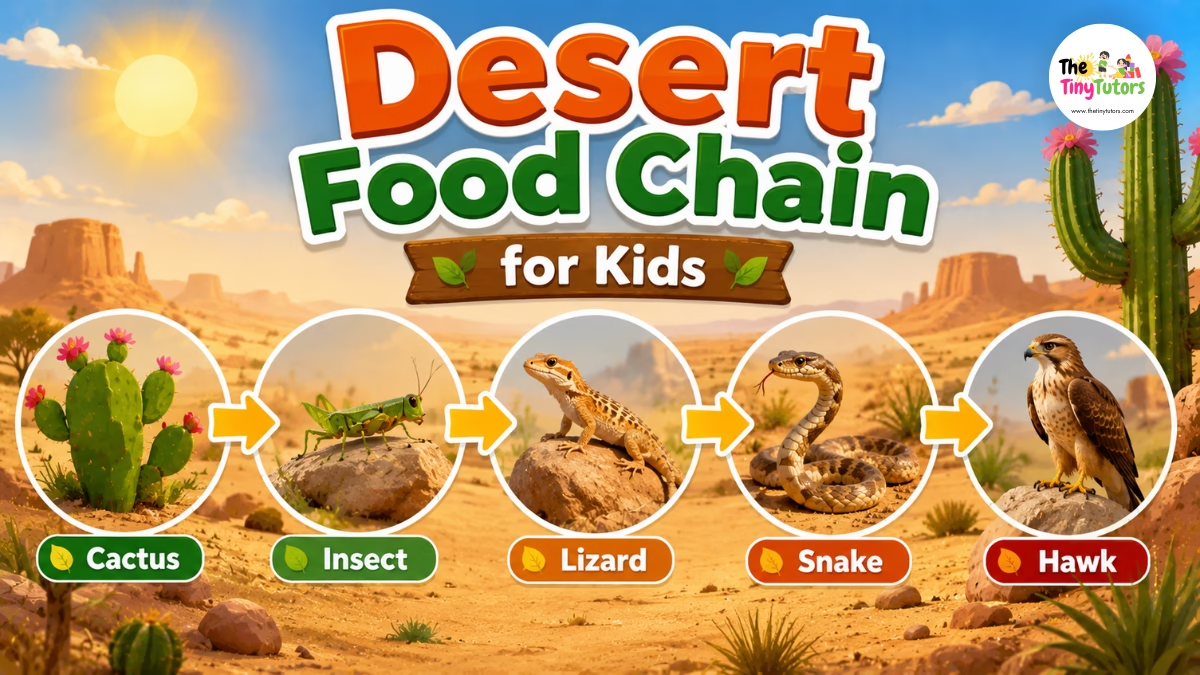
Desert Food Chain 🌵
In this desert food chain, insects feed on cactus plants, lizards eat the insects, snakes hunt the lizards, and hawks may hunt the snakes. 🌵🦅
Desert Animals
- Lizards
- Camels
- Snakes
- Scorpions
- Hawks
Desert animals are good at surviving with very little water.
Arctic Food Chain
The Arctic is a cold region covered with snow and ice.
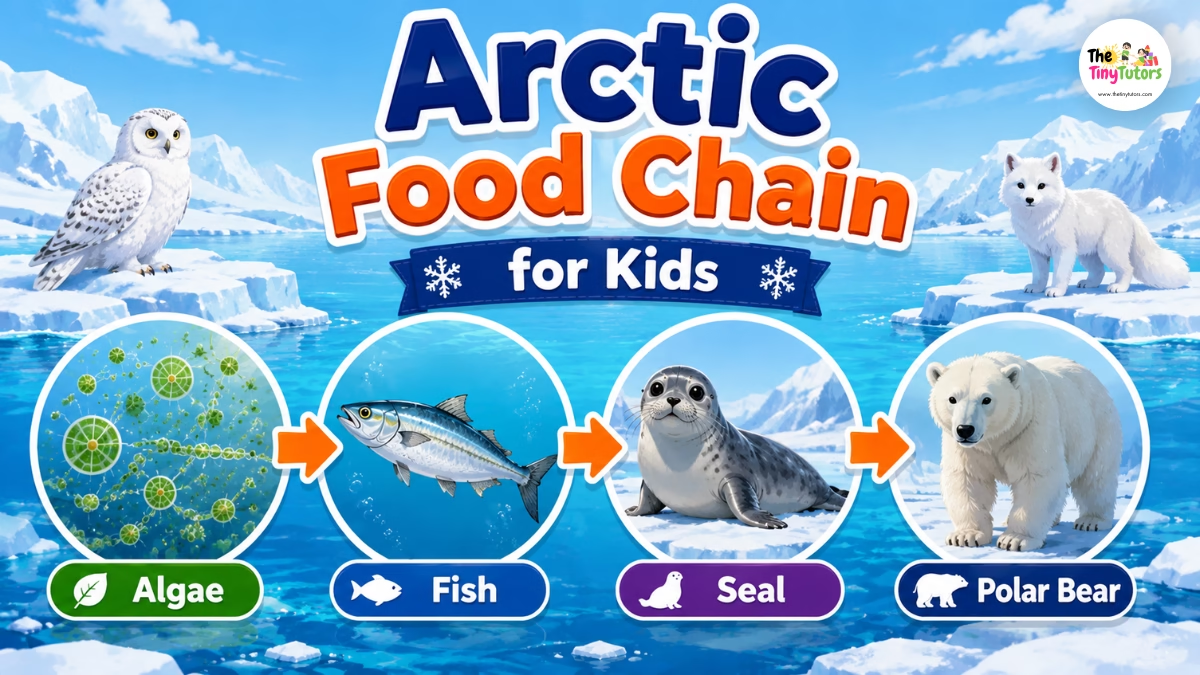
Arctic Food Chain ❄️
Algae → Fish → Seal → Polar Bear
Arctic Animals
- Polar bears
- Seals
- Arctic foxes
- Fish
- Snowy owls
Fun Fact:
Polar bears are excellent swimmers and can travel long distances in icy water.
What Is a Food Web?
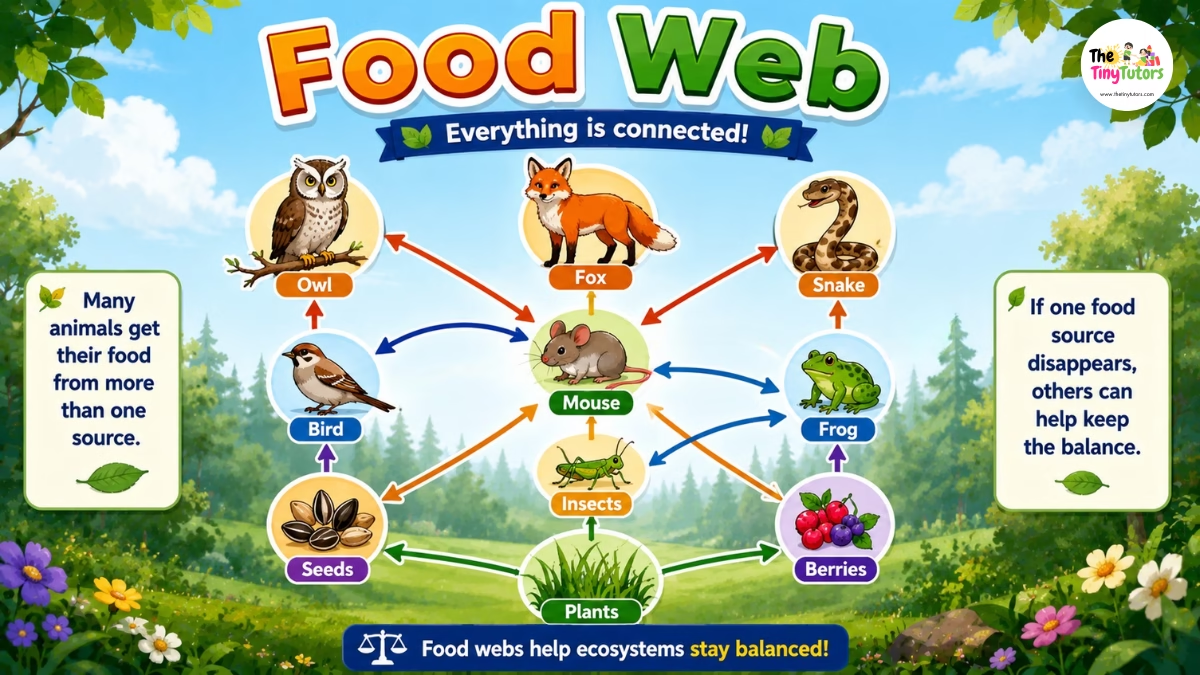
A food web is made of many connected food chains.
Unlike a single chain, food webs show many feeding relationships.
Example 🌿
A mouse may eat seeds and insects.
At the same time:
- Owls eat mice.
- Foxes eat mice.
- Snakes eat mice.
All these connected feeding relationships create something called a food web. 🕸️
Food webs help ecosystems stay balanced.
Food Chain vs Food Web
Many children confuse food chains and food webs.
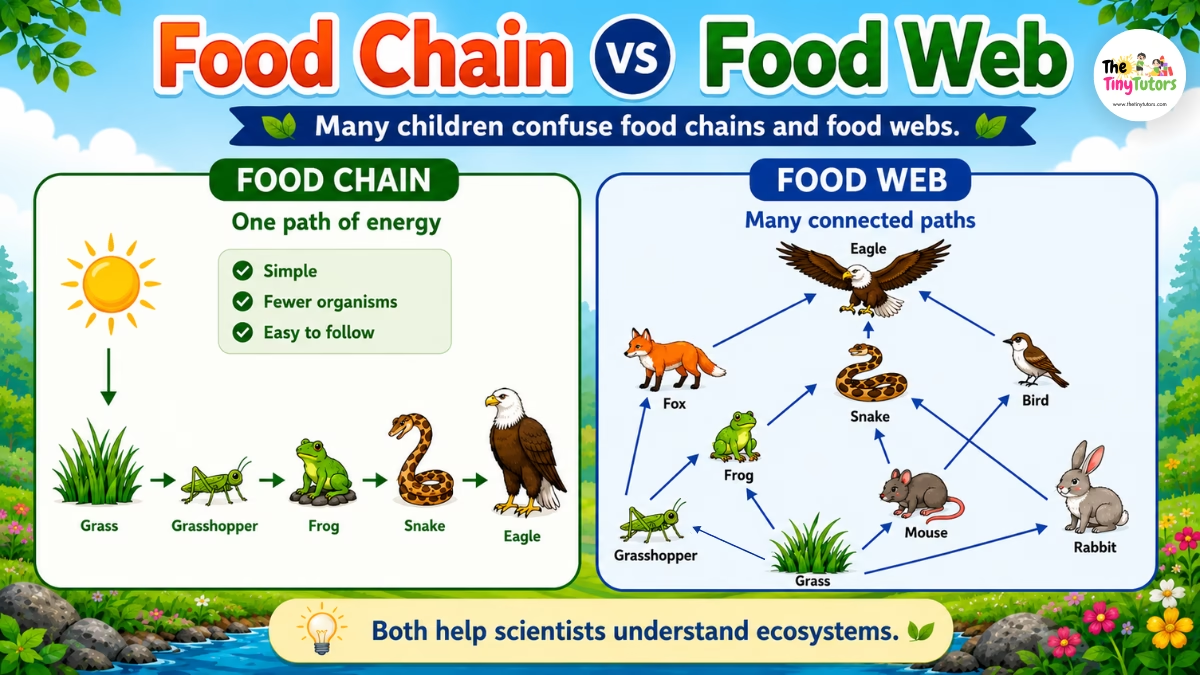
| Food Chain | Food Web |
| One path of energy | Many connected paths |
| Simple | More complex |
| Fewer organisms | More organisms |
| Easy to follow | Shows many connections |
Both help scientists understand ecosystems.
Predator and Prey in a Food Chain for Kids
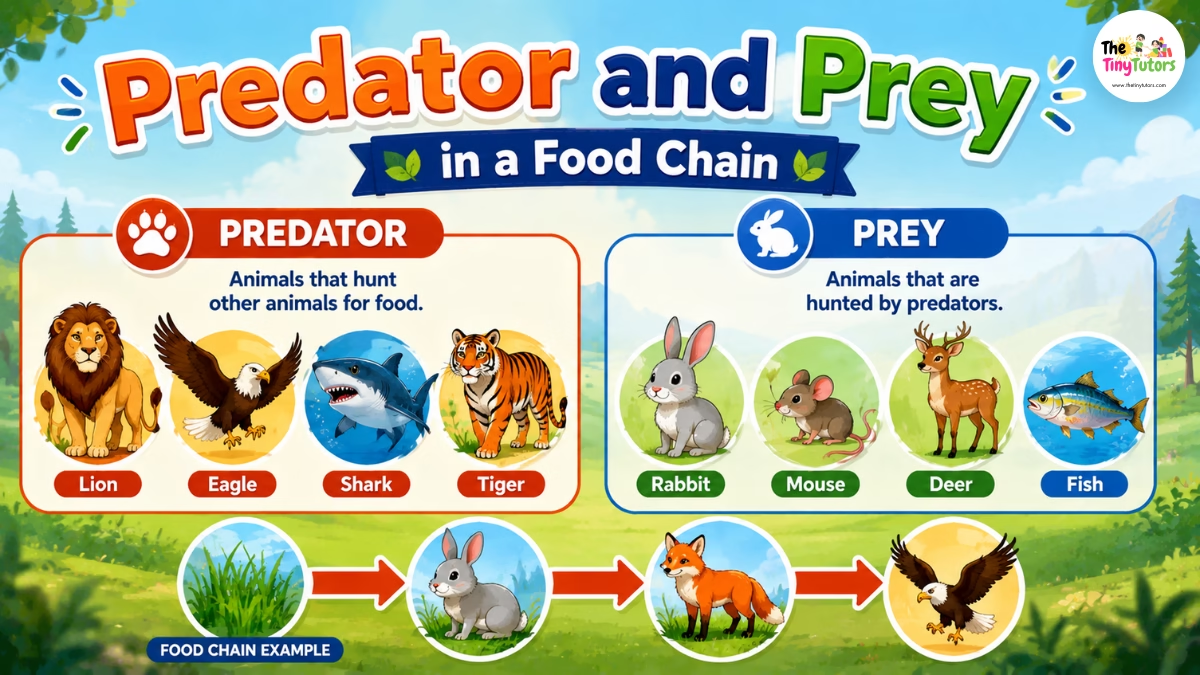
In nature, some animals hunt while others are hunted.
Predator 🦅
Predators are animals that search for and catch other creatures for food. 🦅🐾
Examples:
- Lion
- Eagle
- Shark
- Tiger
Prey 🐇
Prey are animals hunted by predators.
Examples:
- Rabbit
- Mouse
- Deer
- Fish
Many predators and prey are also part of different ecosystems explored in our Wild Animals for Kids guide. 🌿🦁
Example 🌟:
An owl is the predator. A mouse is the prey.
Fun Facts About Food Chains
Kids love fun science facts. 🎉
Nature is full of surprising food chain facts that many kids find amazing! 🎉
- Sharks are top predators in many oceans.
- Tiny plankton help feed giant whales.
- Plants start most food chains.
- Eagles have excellent eyesight for hunting.
- Some frogs can catch insects with sticky tongues.
- Polar bears can smell seals from far away.
- A single tree can support many animals.
Amazing Nature Fact 🌍:
Even the smallest insects can play an important role in a food chain.
Did You Know? 🌟
Here are a few surprising nature facts that make food chains even more interesting! 🌿
🦈 Sharks are top predators in many ocean food chains.
🐋 Blue whales can eat millions of tiny krill every day.
🦅 Eagles can spot prey from very high in the sky.
🐸 Frogs use sticky tongues to catch insects quickly.
🌳 One tree can support birds, insects, and small animals.
What Happens If One Animal Disappears?
Every living thing is important in nature.
If one animal disappears, the whole food chain can change.
Example 🦊
If rabbits disappear:
- Foxes may not find enough food.
- Grass may grow too much.
- Other animals may struggle to survive.
This is why balance in nature is very important.
Human Impact on Food Chains
Humans can affect ecosystems in many ways.
Even small actions can make a big difference for animals and nature. 🌎
Pollution 🏭
Pollution can harm plants, rivers, oceans, and animals.
Plastic Waste 🧴
Sea animals may accidentally eat plastic.
Deforestation 🌳
Cutting trees removes animal homes.
Hunting 🦌
Too much hunting can reduce animal populations.
Good News 🌱
People can help nature by:
- Recycling
- Planting trees
- Saving water
- Protecting wildlife
Food Chain Activities for Kids
These fun food chain activities for kids make learning exciting.
Hands-on activities can make a food chain for kids easier, more interactive, and more enjoyable for young learners. 🎨
Kids can explore more simple and interactive explanations about food chains through fun science activities and real-life examples on this learning resource: 👉 Learn Food Chain Science Facts for Kids
Learning becomes much more exciting when kids can play, draw, and explore while studying science. 🎨🌿
1. Draw a Food Chain 🎨
Kids can draw animals and connect them with arrows.
2. Matching Game 🃏
Match predators with prey.
3. Cut and Paste Activity ✂️
Arrange animals in the correct food chain order.
4. Nature Walk 🌿
Look for plants, insects, and birds outdoors.
5. Coloring Pages 🖍️
Color ocean, rainforest, or grassland animals.
These activities improve creativity and science learning.
Parent Tip 👨👩👧
Parents can make learning more exciting by asking children to create a simple food chain using toys, drawings, flashcards, or animal pictures at home. Hands-on activities help kids understand nature and science concepts more easily while improving creativity and memory skills. 🌿🦁📚
This simple food chain for kids quiz helps children test what they learned about nature, animals, and ecosystems in a fun way. 🌿
Food Chain Quiz for Kids
Let’s test your knowledge. ✅
1. What starts most food chains?
A. Cars
B. Plants
C. Rocks
Answer: Plants 🌱
2. What do herbivores eat?
A. Plants
B. Meat
C. Fish
Answer: Plants 🌿
3. Which animal is a predator?
A. Rabbit
B. Deer
C. Lion
Answer: Lion 🦁
4. What is a decomposer?
A. An animal that hunts
B. Something that breaks down dead things
C. A flying bird
Answer: Something that breaks down dead things 🍄
5. Which is part of an ocean food chain?
A. Shark
B. Camel
C. Cactus
Answer: Shark 🦈
Frequently Asked Questions
What is a food chain for kids?
In nature, living things depend on one another for food and survival. A food chain explains this connection in a simple way. 🌿 It explains who eats whom in a simple order. For example, grass is eaten by a rabbit, and the rabbit is eaten by a fox. Kids can easily see how living things survive together in the environment. 🌿🐇🦊
What are producers in a food chain?
Producers are living things that make their own food using sunlight, water, and air. Most producers are green plants like grass, trees, flowers, and seaweed. They are very important because they start most food chains on Earth. 🌱☀️
What is an ocean food chain?
An ocean food chain shows how sea animals depend on each other for food in the ocean ecosystem. A simple example is:
Plankton → Small Fish → Big Fish → Shark
Tiny sea creatures feed smaller fish, and bigger sea animals eat smaller ones. 🌊🦈
What is the difference between a food chain and a food web?
A food chain shows one simple path of energy from one living thing to another. A food web is more complex because it shows many connected food chains together.
| Food Chain | Food Web |
|---|---|
| Shows one path of energy | Shows many connected paths |
| Simple structure | More complex structure |
| Easier for beginners to understand | Shows ecosystem connections |
| Fewer organisms involved | More organisms involved |
| Follows one feeding relationship | Includes many feeding relationships |
Both help scientists study ecosystems and animal relationships. 🌿
Why are food chains important?
Food chains are important because they help keep nature balanced. They show how animals and plants depend on each other to survive. Food chains also help scientists understand ecosystems, animal habitats, and energy flow in nature. 🌍
What happens if one animal disappears from a food chain?
If one animal disappears, the balance of the ecosystem can change. Other animals may lose their food source, and some plants or animals may grow too much or too little.
For example:
- Foxes may struggle to find food.
- Grass may grow too much without rabbits eating it.
- Other animals in the habitat may also be affected.
This is why every living thing in nature is important. 🌿✨
Final Thoughts
Nature is full of amazing connections, and learning about them can be very exciting for children. Once kids start noticing food chains around them, even a small garden or park can become an exciting science adventure. 🌿🔍 A food chain for kids helps young learners understand how plants, animals, and ecosystems work together in everyday life. 🌿🌍
For example, grass feeds rabbits, rabbits feed foxes, and tiny ocean plants help feed giant whales. These simple examples show how every living thing depends on another living thing for energy and survival. From rainforests and oceans to deserts and snowy Arctic regions, each habitat has its own special food chains filled with interesting animals and plants. 🦁🌊🐧
Parents and teachers can make learning even more fun by using quizzes, drawings, matching games, and simple science activities. These interactive ideas help children remember concepts more easily while building curiosity about wildlife and nature. Learning about producers, consumers, predators, prey, and decomposers also teaches kids why protecting animals and caring for the environment is important for the future. 🌎💚
Understanding a food chain for kids is not only a great way to learn science, but also a wonderful way to explore the beauty and balance of the natural world.
Keep exploring nature and discover more fun science topics, animal facts, and learning activities here on The Tiny Tutors! 🌿📚