
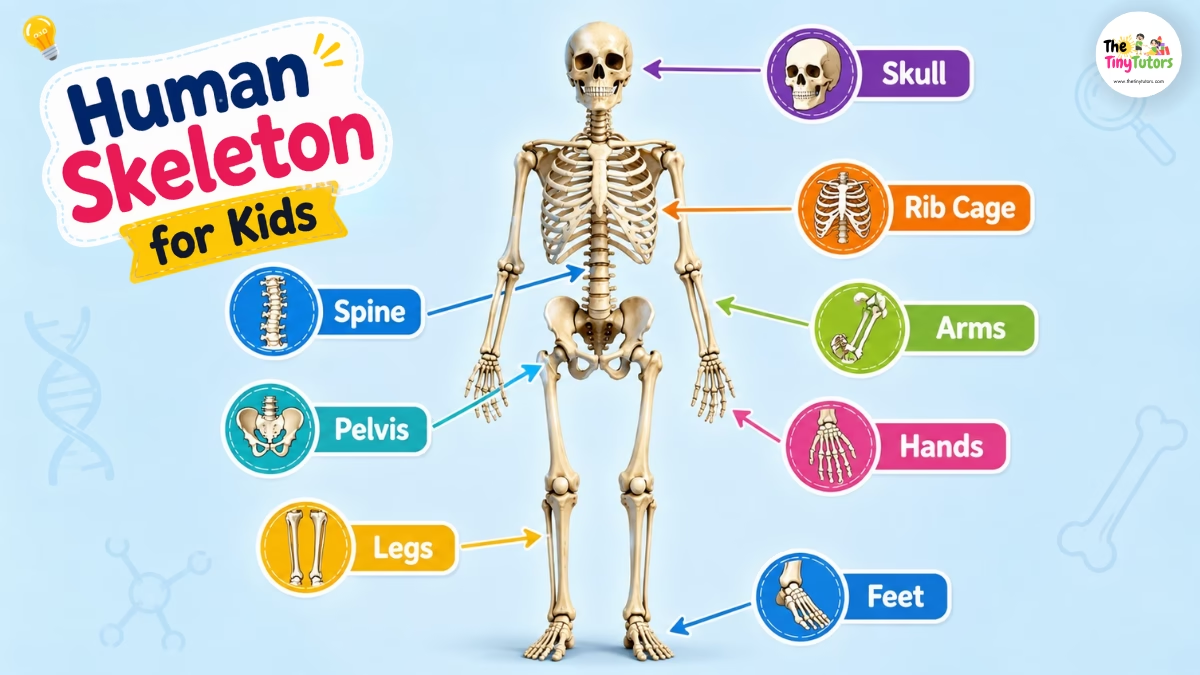
Human skeleton for kids is an exciting topic that helps children learn how their bodies work. Every time you walk, run, jump, sit, or even wave your hand, your skeleton is helping you move. It is the strong framework inside your body that supports you and protects important organs.
- What Is a Human Skeleton?
- What Does the Skeleton Do?
- How Many Bones Are in the Human Body?
- Main Parts of the Human Skeleton
- Axial Skeleton and Appendicular Skeleton
- How Does the Skeleton Help Us Move?
- How Does the Skeleton Protect the Body?
- Fun Skeleton Facts for Kids
- Why Is a Healthy Skeleton Important?
- Simple Skeleton Activity for Kids
- Human Skeleton vs Animal Skeleton
- Key Takeaways
- Frequently Asked Questions
- Sources & References
In this easy-to-understand guide, kids will discover the parts of the skeleton, its important jobs, fun facts, and simple activities that make learning science enjoyable. 🦴✨
What Is a Human Skeleton?
The human skeleton for kids can be described as the body’s internal framework made of bones and joints. It provides support, structure, and protection.
Without a skeleton, the human body would not be able to stand upright. Muscles and organs need a strong framework to stay in place and work properly.
Why Do Humans Need a Skeleton?
Humans need a skeleton because it:
✅ Gives the body structure
✅ Helps us stand tall
✅ Protects delicate organs
✅ Supports muscles
✅ Allows movement
Just as a house needs a strong frame to stand, your body needs a skeleton. It acts as the body’s support system and helps everything stay in the right place.
What Does the Skeleton Do?
The human skeleton for kids has several important jobs that help the body every day.
- Gives Shape to the Body
Your body has a recognizable shape because the skeleton provides a strong framework underneath the skin and muscles.
- Helps Us Stand Upright
The skeleton holds up the body’s weight and helps you sit, stand, and keep your balance.
- Protects Important Organs
Certain bones in the skeleton help protect delicate organs by acting like a shield.
- Helps Movement
The skeleton works together with muscles and joints to make movement possible.
- Supports Muscles
Muscles attach to different parts of the skeleton, helping the body move in many ways.
How Many Bones Are in the Human Body?
One of the interesting facts children learn about the human skeleton is how many bones the body has.
| Age Group | Approximate Number of Bones |
|---|---|
| Newborn Babies | Around 270 |
| Adults | 206 |
Why Do Babies Have More Bones?
Babies are born with more bones than adults. As children grow, some bones gradually join together. This is why adults have fewer bones than newborn babies.
This natural process helps create a stronger body structure.
Main Parts of the Human Skeleton
The human skeleton for kids can be divided into several major sections.
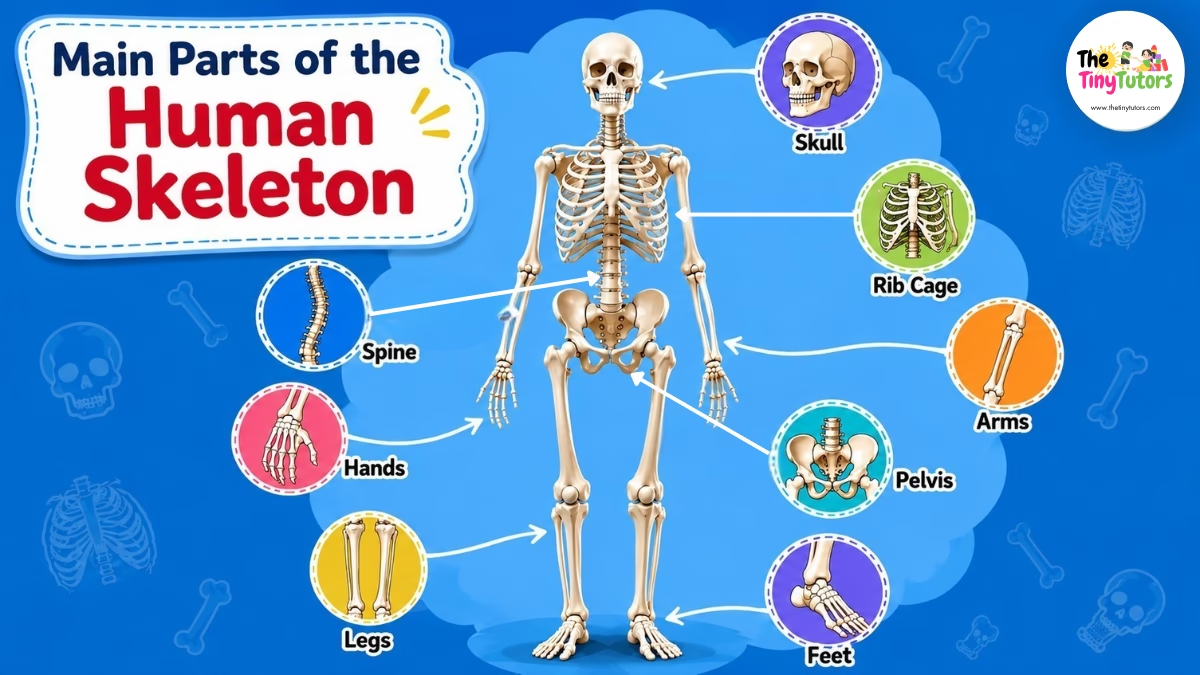
| Main Part | What It Does |
| Skull | Protects the brain |
| Spine | Supports the body |
| Rib Cage | Protects the chest area |
| Arms | Help with lifting and carrying |
| Hands | Help with holding objects |
| Legs | Help with walking and running |
| Feet | Help with balance and movement |
| Pelvis | Connects the upper and lower body |
These parts work as a team to keep the body stable and moving.
Axial Skeleton and Appendicular Skeleton
Learning about the two main divisions of the skeleton helps children understand body organization.
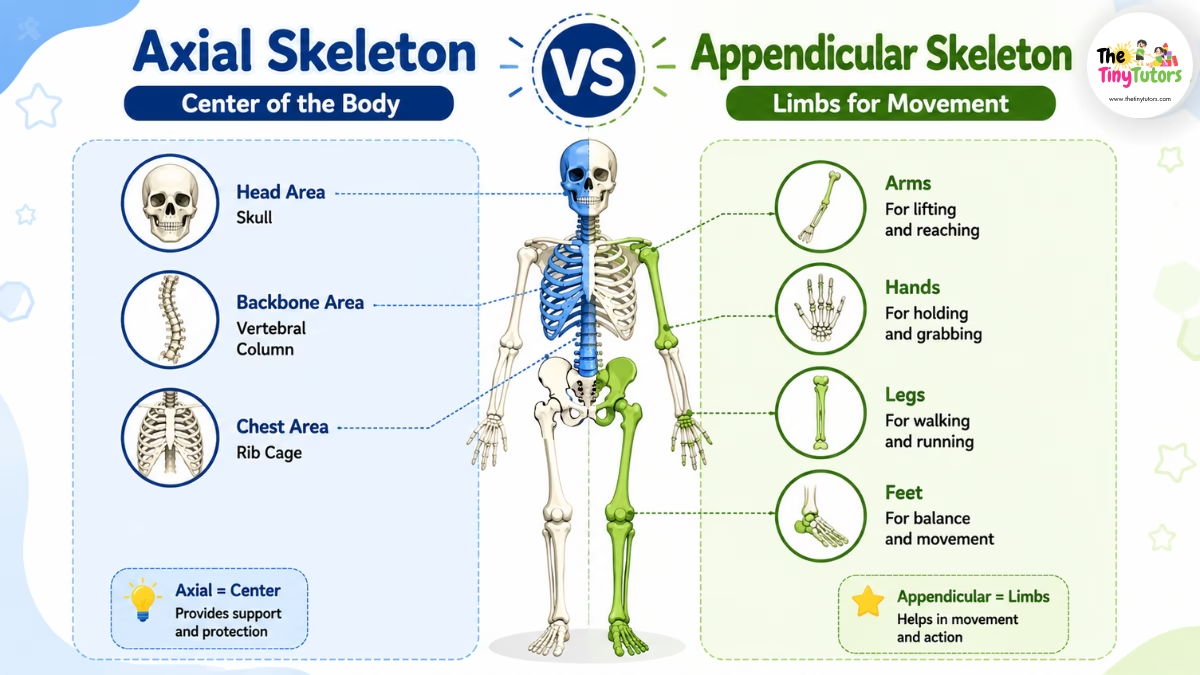
- Axial Skeleton
The axial skeleton makes up the central part of the body.
It includes:
✅ Head area
✅ Backbone area
✅ Chest area
You can think of it as the body’s central support system.
- Appendicular Skeleton
The appendicular skeleton includes the body parts used for movement.
It includes:
✅ Arms
✅ Hands
✅ Legs
✅ Feet
The human skeleton for kids becomes easier to understand when children remember:
Axial = Center
Appendicular = Limbs
How Does the Skeleton Help Us Move?
The human skeleton for kids is designed to work together with muscles and joints.
- Muscles Pull on Bones
Muscles cannot push. They pull to create movement.
- Joints Allow Motion
Joints are places where two bones meet. They allow bending, turning, and other movements.
- Movement Happens Together
When muscles contract and joints move, the skeleton helps create actions such as:
🏃 Running
🚶 Walking
⛹️ Jumping
🖐️ Waving
🚴 Riding a bicycle
As you move, your body also uses its senses to understand the world around you. For example, your eyes help you see where you are going, while your ears help you stay aware of sounds around you. Kids can learn more about this in Our Five Senses for Kids guide.
Without this teamwork, movement would not be possible.
How Does the Skeleton Protect the Body?
The human skeleton for kids acts like natural armor.
- Protecting the Brain
The skull surrounds the brain and helps keep it safe from injury.
- Protecting the Heart and Lungs
The rib cage surrounds important organs in the chest and provides protection.
- Everyday Protection
The skeleton helps reduce damage from bumps and impacts by creating a sturdy structure around important body parts.
Fun Skeleton Facts for Kids
Children love discovering surprising facts. Here are some fun human skeleton facts for kids.
🦴 Adults usually have 206 bones.
🦴 Babies have around 270 bones when they are born.
🦴 Some bones are much larger than others, while a few are tiny enough to fit inside the ear.
🦴 Bones are strong but also lightweight.
🦴 Bones can repair themselves after many injuries.
- Facts About Human Skeleton for Kids
Did you know that bones are living parts of the body? They grow as children grow and help store important minerals that keep the body healthy. The skeleton also works closely with muscles and joints, making everyday activities like walking, running, and playing possible.
These facts show that the skeleton is much more than a framework—it is an active system that helps your body work every day.
Why Is a Healthy Skeleton Important?
Keeping the skeleton healthy helps children stay active and strong.
- Exercise Regularly 🏃
Running, jumping, dancing, and sports help strengthen bones.
- Practice Good Posture 😊
Sitting and standing correctly can support healthy growth.
- Eat Calcium-Rich Foods 🥛
Foods such as milk, yogurt, cheese, and leafy vegetables help support strong bones.
- Get Enough Vitamin D ☀️
Vitamin D helps the body use calcium effectively.
A healthy lifestyle helps the human skeleton for kids stay strong throughout childhood.
Simple Skeleton Activity for Kids
Learning becomes more exciting when children participate in activities.
- Label-the-Skeleton Worksheet
Give children a simple skeleton diagram and ask them to label major body sections.
This activity helps improve memory and understanding.
- How to Make Human Skeleton for Kids
Try a simple craft activity:
- Draw a skeleton outline on paper.
- Use cotton swabs or paper strips to create the skeleton shape.
- Glue the pieces carefully.
- Label the major sections.
This fun project combines science and creativity.
- Experiments for Kids About Human Skeleton
Try a movement experiment:
✅ Bend your elbow
✅ Bend your knee
✅ Observe how joints help movement
This easy observation activity shows children how the skeleton and muscles work together.
Human Skeleton vs Animal Skeleton
Children often wonder how human skeletons compare to animal skeletons.
| Human Skeleton | Animal Skeleton |
|---|---|
| Helps people stand upright | Helps animals move in different ways |
| Usually supports movement on two legs | May support walking, flying, swimming, or crawling |
| Hands can hold objects | Limbs are adapted for different activities |
| Protects important organs | Also protects important organs |
Although human and animal skeletons look different, they both help support the body, protect organs, and make movement possible.
Key Takeaways
✅ The skeleton is the body’s framework.
✅ It helps us stand, move, and stay balanced.
✅ It protects important organs.
✅ Babies have more bones than adults.
✅ Exercise and healthy foods help keep bones strong.
✅ Learning about the skeleton helps children understand how their bodies work.
Frequently Asked Questions
What is a skeleton?
A skeleton is the framework inside the body that provides support, protection, and structure.
Why do humans need a skeleton?
Humans need a skeleton to stand upright, move, support muscles, and protect important organs.
How many bones do adults have?
Most adults have 206 bones.
Which organ does the skull protect?
The skull protects the brain.
What is the main job of the skeleton?
The main job of the skeleton is to support the body, help movement, and protect important organs.
Sources & References
To ensure accuracy and provide reliable educational information, This article was created for educational purposes and reviewed using trusted health and child-learning resources to ensure accuracy and age-appropriate information.
• KidsHealth – Bone and Skeletal System Resources
• MedlinePlus – Bones, Joints and Muscles Information