
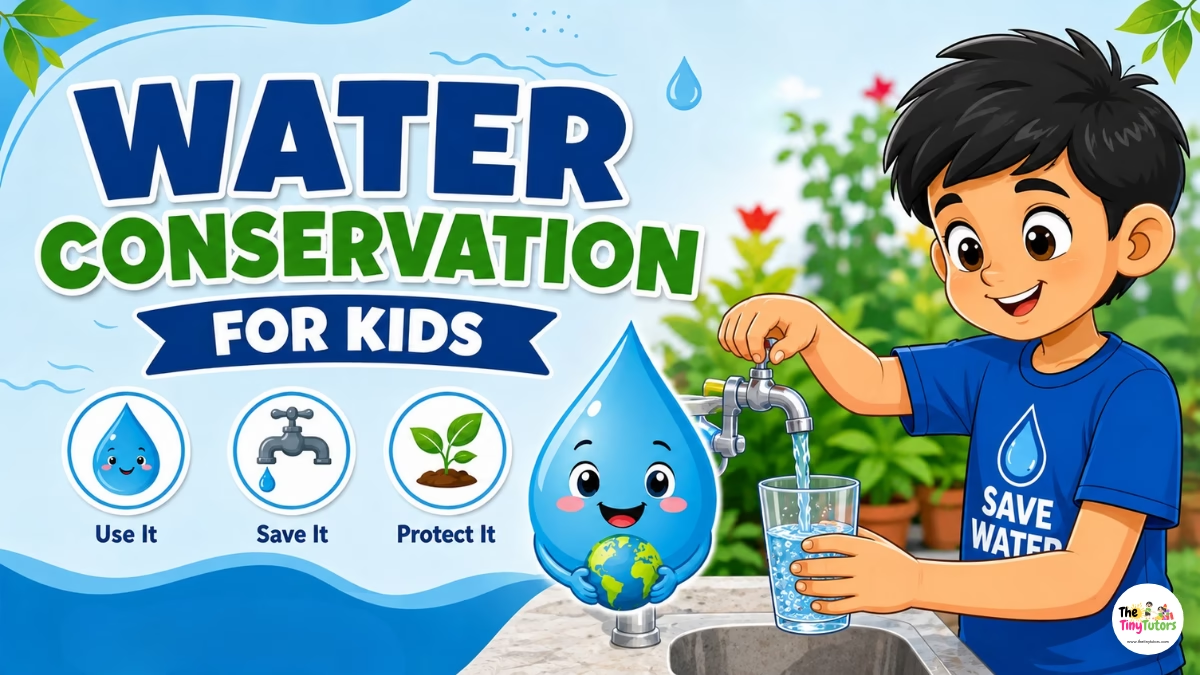
Water conservation for kids is about learning how to use water wisely, avoid unnecessary waste, and protect this precious resource.
- What Is Water Conservation?
- Why Is Saving Water Important?
- How Do We Use Water Every Day?
- Easy Ways to Save Water at Home
- Ways Kids Can Save Water at School
- How Can Kids Help Save Water Outdoors?
- Water Conservation Activities for Kids
- Can We Reuse Water?
- Rainwater Harvesting for Kids 🌧️
- Water Conservation Facts for Kids
- Water Conservation Quiz for Kids 🏆
- Water-Saving Tips for Parents and Teachers
- Water Conservation FAQs ❓
- Conclusion: Every Drop Counts 💧
Every day, children use water for drinking, brushing teeth, washing hands, bathing, cooking, cleaning, and playing.
Small habits can make a meaningful difference when families and schools practice them together. 💧🌎
What Is Water Conservation?
Water conservation for kids means learning how to use water carefully, avoid unnecessary waste, and understand why clean water matters.
It does not mean never using water. We need water for people, animals, plants, food, cleaning, and many other parts of daily life.
For children, the idea is simple: use the water you need, turn it off when you do not need it, and tell an adult when something is leaking or wasting water.
A fun way to remember it is:
💧 Use it.
🚰 Save it.
🌱 Protect it.
Water conservation for kids can begin with one small habit, such as turning off the tap while brushing teeth.
Why Is Saving Water Important?
Water is essential for life. People need clean water to drink and stay healthy. Animals need it to survive, and plants need it to grow. Farmers also depend on water to produce food. 🌱🐘👨🌾
Although Earth looks blue from space, not all of its water is suitable for drinking. Much of the planet’s water is salty, while freshwater is found in places such as lakes, rivers, groundwater, and ice.
Saving water also means helping communities use available supplies more wisely. During dry periods, some places may have less water available than usual. Careful water use can help reduce unnecessary demand.
The importance of water conservation for kids becomes easier to understand when children connect it to everyday life. If you save water while brushing, bathing, washing, or gardening, you are practicing a useful environmental habit.
🌎 Think about this: If everyone in a classroom remembered to turn off a running tap, how much water could the class avoid wasting?
How Do We Use Water Every Day?
Children may use water more often than they realize. Here are some common examples:
| Daily Activity | How Water Is Used |
|---|---|
| Drinking | Keeps the body hydrated |
| Brushing teeth | Cleans teeth and mouth |
| Washing hands | Helps remove dirt and germs |
| Bathing | Keeps the body clean |
| Cooking | Helps prepare food |
| Washing dishes | Cleans plates and utensils |
| Laundry | Cleans clothes |
| Gardening | Helps plants grow |
| Cleaning | Removes dirt from homes and objects |
Looking at these activities helps children understand where water is used and where simple changes may prevent waste.
Plants also need water to grow and stay healthy. Children can learn about different plants while exploring how plants depend on water.
Children can start with simple habits and ask an adult for help when a repair is needed. A water conservation for kids lesson works best when children can connect each idea to something they already do.
Easy Ways to Save Water at Home
Home is one of the best places to practice saving water for kids. Water conservation for kids becomes easier when the whole family follows the same simple routines.
Children do not need complicated equipment or expensive tools. They can start with simple habits and ask an adult for help when a repair is needed.
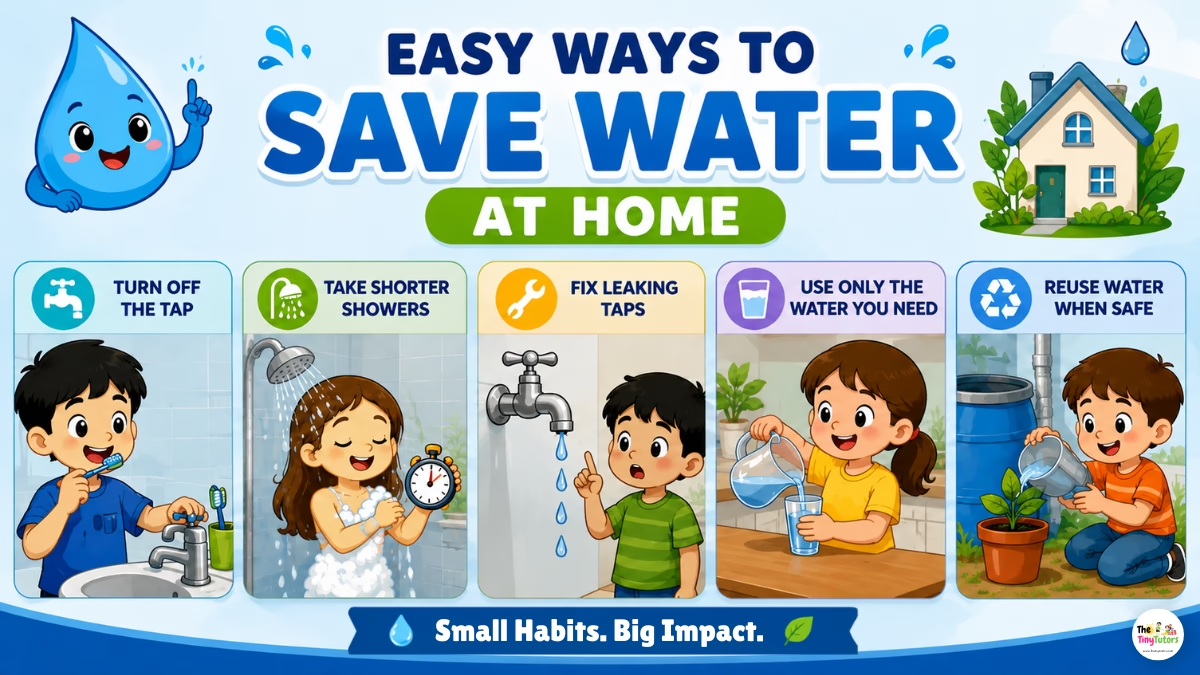
Turn Off the Tap 🚰
A running tap can waste water when nobody is using it. Turn the tap off while brushing teeth, scrubbing hands with soap, or doing another task where running water is not necessary.
Try this challenge: brush your teeth with the tap off and turn it on only when you need to rinse.
This is one of the easiest water saving tips for kids because it takes only a few seconds to make the habit. It is also a simple starting point for water conservation for kids at home.
Take Shorter Showers 🚿
Long showers can use more water than necessary. A shorter shower can help reduce water use while still keeping you clean.
Kids can turn shower time into a friendly challenge. Use a timer with a parent or caregiver and see whether you can finish your normal routine a little faster without rushing or skipping good hygiene.
Fix Leaking Taps 🔧
A dripping tap may seem like a tiny problem, but a leak can continue wasting water for hours or days.
Children should never try to repair plumbing themselves. Instead, tell a parent, teacher, or another trusted adult when you notice a dripping tap, leaking pipe, or running toilet.
🔎 Kid detective tip: Listen for dripping sounds in quiet rooms. You might discover a leak that an adult has not noticed.
Use Only the Water You Need 💧
It is easy to waste water by filling a glass too much, leaving a hose running, or using more water than a task requires.
Pour only as much drinking water as you expect to finish. When washing something, use an appropriate amount of water instead of letting it run continuously.
These simple ways to save water at home are practical because children can understand and repeat them every day.
Reuse Water When Safe ♻️
Some clean water that would otherwise be poured away may have another suitable use. For example, leftover clean drinking water can sometimes be given to plants.
However, not every type of used water is safe to reuse. Children should ask an adult before reusing household water, especially water that contains soap, chemicals, food waste, or other substances.
Never drink reused water unless it has been properly treated and confirmed safe for drinking.
Ways Kids Can Save Water at School
Schools can turn water conservation for kids into a shared responsibility by helping students notice waste and practice simple habits together.
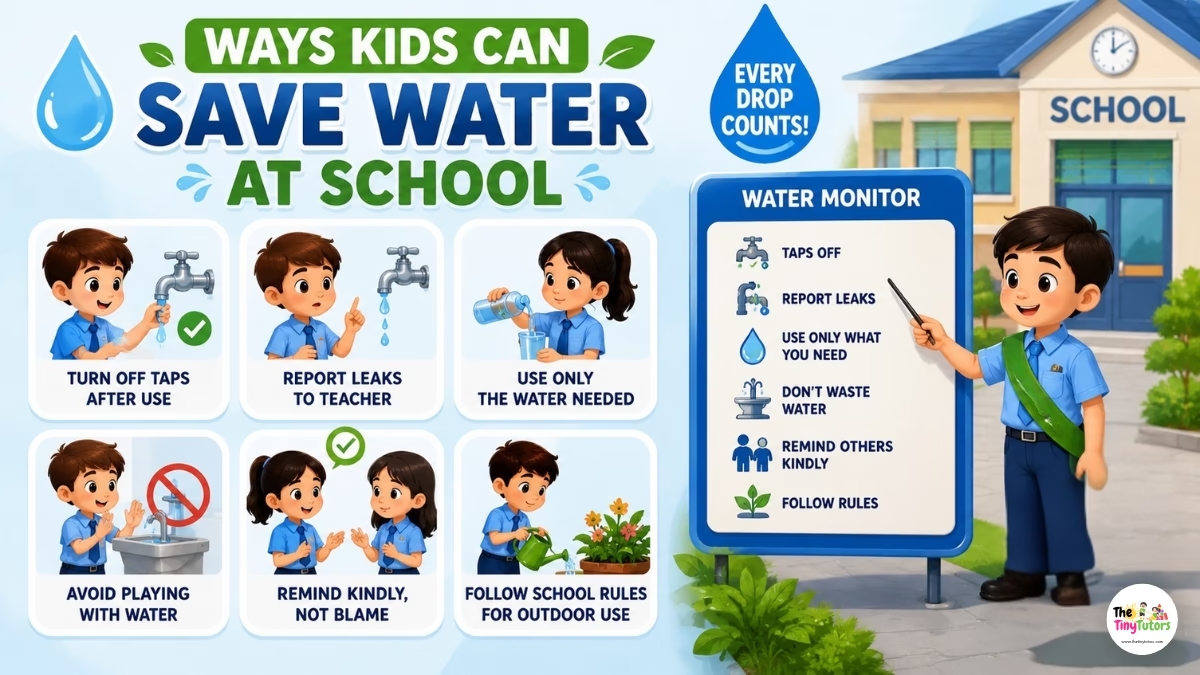
Students can:
- Turn off taps completely after washing their hands.
- Report dripping taps or running toilets to a teacher or staff member.
- Use only the water needed for classroom activities.
- Avoid playing with taps or leaving fountains running.
- Remind classmates kindly instead of blaming them.
- Follow school rules about gardens, cleaning, and outdoor water use.
Teachers can make conservation part of classroom routines. For example, one student can be the “water monitor” for a week and check whether taps are being left running.
This turns water conservation for kids into a shared classroom responsibility rather than a difficult chore.
How Can Kids Help Save Water Outdoors?
Outdoor activities can use a lot of water, especially when gardens, lawns, or sports areas need care.
Children can help by:
🌱 Watering plants when an adult says it is appropriate.
🪣 Using a watering can for small gardening jobs instead of leaving a hose running.
☀️ Following local guidance about outdoor water use during dry periods.
🚿 Turning off hoses and outdoor taps when they are not needed.
🌧️ Learning about rainwater and how it can be collected and managed safely.
Children should not change watering schedules, operate pumps, or handle outdoor plumbing without adult supervision.
Water Conservation Activities for Kids
The best activities turn a useful habit into something children can see, measure, and remember. These ideas can work at home, in classrooms, or during homeschool lessons.
Water-Saving Challenge ⭐
Choose three habits, such as:
- turning off the tap while brushing
- taking shorter showers
- reporting leaks
Create a seven-day habit chart and mark ⭐ each time you complete a habit.
| Day | Turn Off Tap | Shorter Shower | Report Leaks |
|---|---|---|---|
| Monday | ⭐ | ⭐ | |
| Tuesday | ⭐ | ⭐ | |
| Wednesday | ⭐ | ⭐ | |
| Thursday | ⭐ | ⭐ | |
| Friday | ⭐ | ⭐ | |
| Saturday | ⭐ | ||
| Sunday | ⭐ | ⭐ | ⭐ |
At the end of the week, talk about which habit was easiest and which one needs more practice.
Water-Waste Detective 🔎
Give children five minutes to look for possible water waste with an adult.
They can check:
- dripping taps
- running toilets
- taps left on
- water running during another task
- outdoor hoses left running
Children should report problems rather than trying to fix plumbing themselves.
Water Use Tracker 📊
Create a simple daily tracker. Children can record activities such as brushing, bathing, gardening, and washing.
The goal is not to measure exact liters unless an adult has a safe and reliable way to do so. Instead, children can record whether they used a water-saving habit.
This is a great example of water conservation activities that teach observation and responsibility.
Make a Save Water Poster 🎨
Ask children to design a poster with:
- one short message
- one drawing
- three water-saving actions
Possible message:
“Every Drop Deserves Care! 💧”
Display the poster at home or in a classroom.
Can We Reuse Water?
Yes, some water can be reused for suitable purposes, but safety comes first.
Clean leftover water may sometimes be useful for watering plants. In other situations, household water may contain soaps, cleaning products, germs, or other materials that make it unsuitable for reuse.
Children should follow these rules:
- Ask an adult before reusing household water.
- Never drink reused water unless it is confirmed safe.
- Never handle chemicals or wastewater.
- Follow local health and sanitation guidance.
- Do not assume that all “used water” is safe for plants or gardens.
The important lesson is simple: saving water should never mean putting health or safety at risk.
Rainwater Harvesting for Kids 🌧️
Rainwater harvesting means collecting rainwater for suitable uses instead of allowing all of it to run away immediately.
Imagine a house with a roof. When rain falls, water can flow from the roof through a gutter into a properly designed collection system. Depending on the system and local rules, stored rainwater may be used for suitable non-drinking purposes.
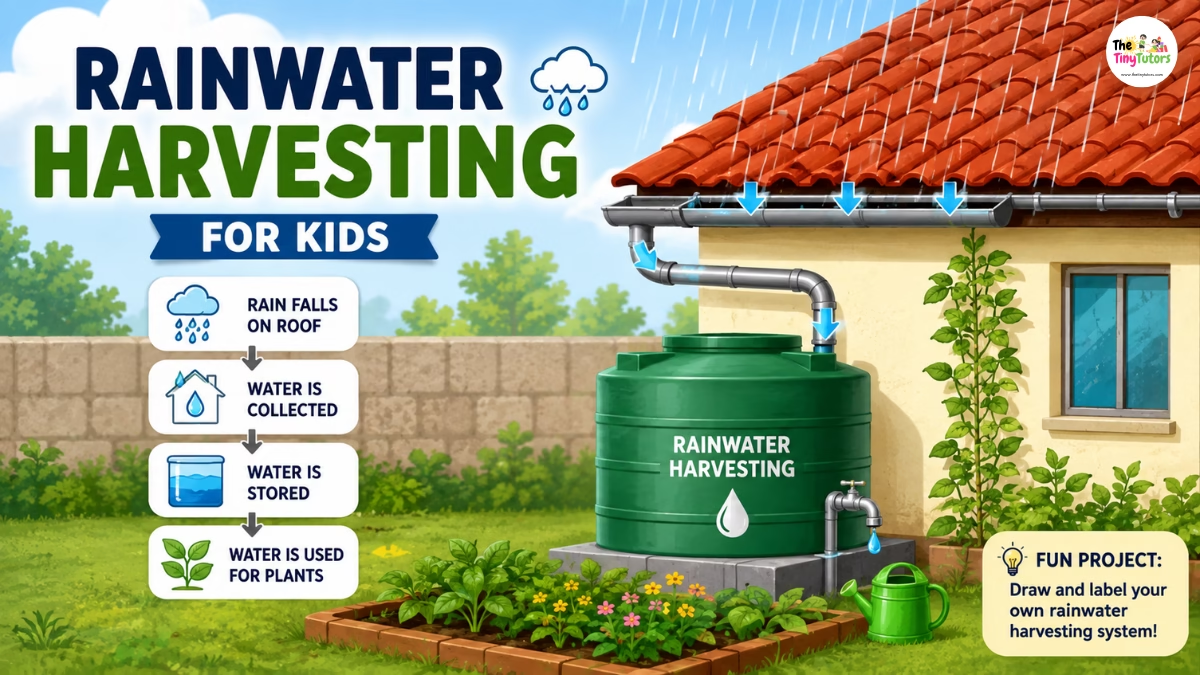
For kids, the science is easy to visualize. This makes rainwater harvesting a useful water conservation for kids topic for science lessons.
Rainwater is not automatically safe to drink. Drinking-water treatment and local safety requirements must always be followed.
🎨 Fun project: Ask children to draw a rainwater harvesting system and label the roof, gutter, tank, and garden.
Water Conservation Facts for Kids
Here are some fun water conservation facts to make the lesson more memorable:
💧 1: Water is constantly moving through the water cycle. It can evaporate, form clouds, fall as precipitation, and collect again.
Want to learn how water moves around Earth? Explore our Water Cycle Activities for Kids lesson for experiments, diagrams, facts, and learning activities.
🌊 2: Most of Earth’s water is salty seawater, so freshwater resources need careful management.
🌱 3: Plants depend on water for healthy growth and many of the processes that keep them alive.
🚰 4: Even a small drip from a tap can waste water over time if the leak is left unfixed.
🏫 5: Schools can save water when students, teachers, and staff work together.
🌧️ 6: Rainwater can become part of rivers, lakes, groundwater, and other water systems.
♻️ 7: Using water wisely is one small way people can reduce unnecessary waste.
Water Conservation Quiz for Kids 🏆
Test what you learned! This quick water conservation for kids quiz helps you check your new skills.
1. What should you do with the tap while brushing your teeth?
A. Leave the tap running
B. Turn the tap off when you do not need it
C. Open another tap
D. Use more water
Answer: B ✅
2. What should you do if you notice a leaking tap?
A. Try to repair it yourself
B. Ignore it
C. Tell a trusted adult
D. Make it drip faster
Answer: C ✅
3. Which is a good water-saving habit?
A. Playing with running water
B. Leaving a hose on
C. Using only the water you need
D. Filling glasses and throwing the water away
Answer: C ✅
4. Is all used household water safe to reuse?
A. Yes
B. No
C. Only if it looks clear
D. Always
Answer: B ✅
5. What does rainwater harvesting involve?
A. Making rain
B. Collecting rainwater for suitable uses
C. Turning seawater into rain
D. Heating rainwater
Answer: B ✅
Water-Saving Tips for Parents and Teachers
Adults can make saving water easier by turning it into a routine instead of a lecture.
Parents and teachers who want more detailed household water-efficiency guidance can also explore the EPA WaterSense Start Saving resource.
Parents Can:
- Keep bathroom and kitchen water-saving reminders visible.
- Encourage children to report leaks.
- Let children help track simple habits.
- Praise consistent effort rather than demanding perfection.
- Explain why water-saving rules may differ between locations.
Teachers Can:
- Add water conservation for kids to science or environmental lessons.
- Use a classroom water-saving challenge.
- Let students create posters or short presentations.
- Discuss water use without making children feel guilty.
- Connect lessons with the water cycle and other environmental topics.
For printable learning, families and teachers can also explore The Tiny Tutors’ free worksheets and choose resources suitable for a child’s age and grade.
Water Conservation FAQs ❓
Q1: What should kids do if they notice a leaking tap?
Kids should tell a parent, teacher, or another trusted adult when they notice a dripping tap, running toilet, or other possible water leak. Children should report the problem rather than trying to repair plumbing themselves.
Q2: Should kids try to fix a water leak themselves?
No. Fixing taps, pipes, toilets, or other plumbing can require tools and may not be safe for children. Kids can help by noticing the problem and reporting it to an adult.
Q3: Can children reuse water at home?
Sometimes. Suitable water may be reused for tasks such as watering plants or cleaning when it is safe and appropriate. Children should always ask an adult first and should never drink reused household water unless it has been properly treated and confirmed safe.
Q4: How can families make saving water a daily habit?
Families can choose one or two simple habits to practice every day, such as turning off the tap while brushing, using only the water needed, and checking for leaks. These small routines are an important part of water conservation for kids because children learn best when they can practice what they see at home.
Q5: How can kids tell if they are wasting water?
A simple clue is water running when nobody is using it. Kids can watch for dripping taps, unnecessarily running water, overflowing containers, or using more water than a task requires. When they notice possible waste, they can tell an adult and think about a better way to use the water.
Q6: Is rainwater safe to drink?
Rainwater should not automatically be treated as drinking water. It can collect dirt, pollutants, and germs as it moves through the air or touches roofs and collection surfaces. Children should never drink collected rainwater unless an adult confirms that it has been properly treated and is safe to drink.
Conclusion: Every Drop Counts 💧
Water conservation for kids starts with simple everyday choices. Children do not need to solve every water problem in the world. They can begin by learning why water matters and practicing habits they can control.
Turning off the tap, using only the water they need, reporting leaks to an adult, and learning how water moves through nature may seem like small actions. When practiced regularly, these habits can help children become more aware of water use and make thoughtful choices at home, at school, and outdoors.
The next time you wash your hands, brush your teeth, water a plant, or see rain falling outside, pause and think:
“How can I use water wisely today?” 💧🌎
Start with one simple habit today. Keep practicing it tomorrow, and encourage someone else to try it too. A simple water-saving habit can grow into a routine that makes a real difference over time.