
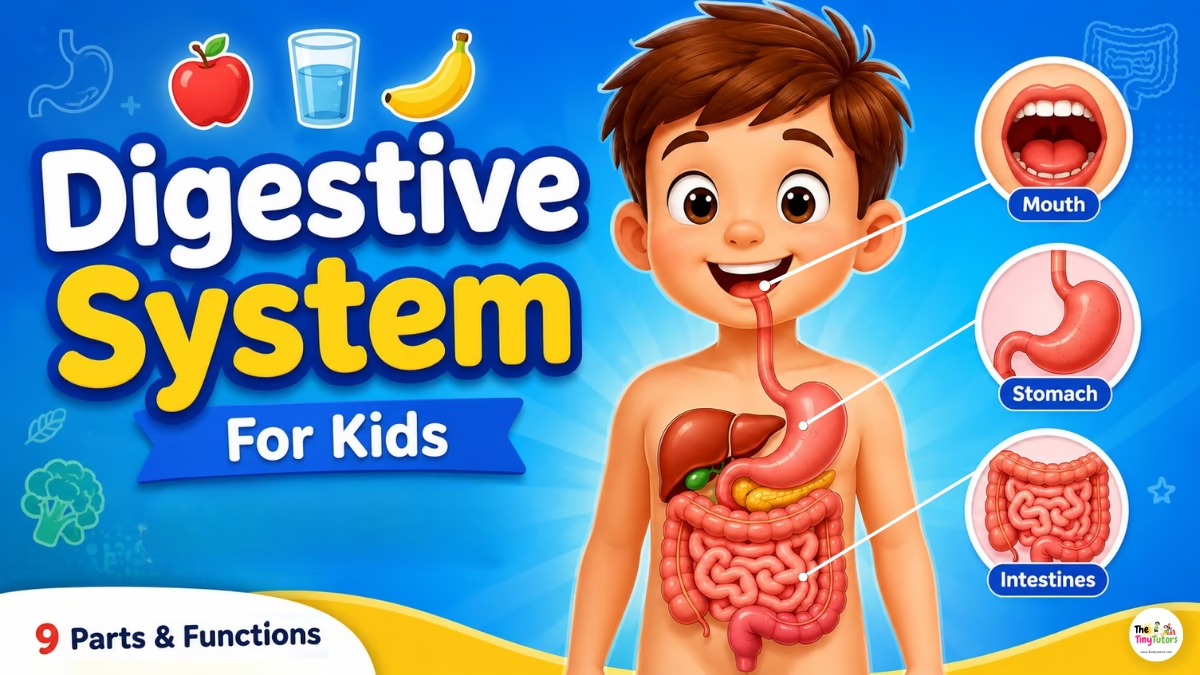
Did you know the human digestive system for kids uses 9 incredible organs to send food on a 9-metre long journey — starting the very second you take your first bite? 🍕 That pizza slice, that banana, that chocolate biscuit — the moment it enters your mouth, your body quietly kicks off one of the most amazing processes in nature!
- What Is the Human Digestive System for Kids?
- What Does the Digestive System Do? ⚙️
- Why Is Digestion So Important for Kids?
- The 9 Main Organs of the Human Digestive System for Kids
- Functions of Each Digestive Organ
- Human Digestive System Diagram for Kids ️
- How Food Travels Through the Human Digestive System for Kids
- Fun Facts About the Human Digestive System for Kids
- Common Tummy Troubles Kids Face
- 7 Easy Tips to Keep Your Digestive System Healthy
- Human Digestive System for Kids Quiz
- Human Digestive System for Kids — Quick Recap Table
- Conclusion
- Frequently Asked Questions ❓
Every single meal gets broken down, squeezed, churned, sorted, and transformed into the energy that helps you run, jump, think, and grow 💪. And the best part? It is all happening inside YOUR body right now, without you even thinking about it!
In this guide, we will explore everything about the human digestive system for kids — what it is, how it works, which organs are involved, and even some super surprising fun facts that will leave you completely amazed! 🤩 Let’s dive in!
What Is the Human Digestive System for Kids?
The human digestive system for kids is a group of organs that work together to break down food, absorb nutrients, and remove waste from the body. Think of it as a super-smart food processing system inside your body!
Every time you eat an apple , a sandwich , or your favourite snack, your digestive system gets to work. It takes the useful nutrients from food—such as vitamins, minerals, proteins, fats, and carbohydrates—and sends them to different parts of your body where they are needed for energy, growth, and staying healthy.
The digestive system is made up of several organs that form a long pathway. Food travels through this pathway starting at the mouth, moving through the oesophagus, stomach, small intestine, and large intestine, before leaving the body as waste. Together, these organs create a digestive tract that is around 9 metres (30 feet) long in an adult body!
Quick Fact: Your digestive system works every day, even when you are not thinking about it. It helps turn the food you eat into the energy you need to learn, play, run, and grow!
What Does the Digestive System Do? ⚙️
This is one of the first questions kids ask in science class: what does the digestive system do and what is the function of the digestive system. The answer is simple! The digestive system breaks down food into nutrients, absorbs those nutrients into the bloodstream, and removes waste from the body.
These important jobs help the human digestive system for kids provide energy, support growth, and keep the body healthy every day.
The digestive system has three main jobs:
✅ Break down food into tiny pieces that your body can use
✅ Absorb nutrients such as vitamins, minerals, proteins, fats, and carbohydrates into the bloodstream
✅ Remove waste that your body does not need
Without the digestive system, your body would not get the nutrients and energy needed to stay healthy. Every meal you eat goes on an amazing journey through different organs, where useful nutrients are collected and delivered to the rest of your body.
Did You Know? The digestive system works every day, even when you are sleeping, helping your body get the nutrients it needs to grow and stay strong!
Why Is Digestion So Important for Kids?
Eating food is important, but your body cannot use food until it has been digested. Digestion breaks food down into nutrients that help your body work properly every day.
1. Energy
Digestion turns food into energy that helps you run, play, learn, and stay active. Without digestion, your body would not have the fuel it needs.
2. Growth
As kids grow, their bodies need nutrients to build strong bones, muscles, skin, and other body parts. Digestion helps your body absorb these important nutrients.
3. Repair
When you get a cut, bruise, or sore muscle, your body needs nutrients to heal. Digestion helps deliver those nutrients where they are needed.
4. Staying Healthy
Digestion helps your body absorb vitamins and minerals that support strong bones, healthy blood, and a powerful immune system. These nutrients also help build and maintain a healthy skeleton. Read our Human Skeleton for Kids guide to learn how bones support your body.
Digestion turns the food you eat into energy, building materials, and nutrients that help you grow, heal, and stay healthy every day.
The 9 Main Organs of the Human Digestive System for Kids
The human digestive system for kids includes several important organs that work together to break down food and help your body get the nutrients it needs. Think of them as a team, where each organ has a special job to do!
1. Mouth — Where Digestion Begins
Digestion starts in the mouth. Your teeth chew food into smaller pieces, while saliva helps soften the food and prepare it for swallowing. Your tongue can recognise different tastes, helping you enjoy food even before digestion gets underway. Learn more about taste and the other senses in our Five Senses for Kids guide.
Your tongue also helps you taste different flavours before food begins its journey through the digestive system.
2. Oesophagus — The Food Tube
The oesophagus is a long tube that carries food from your mouth to your stomach. Special muscles gently push the food along its journey.
3. Stomach — The Food Mixer
The stomach mixes food with digestive juices and turns it into a soft mixture. This helps prepare the food for the next stage of digestion.
4. Small Intestine — The Nutrient Absorber
The small intestine is actually the longest organ in the whole digestive system of human body for kids. This is where most nutrients from food are absorbed and sent to the rest of the body.
5. Large Intestine — The Water Saver
The large intestine removes water from leftover food waste. The remaining waste is prepared to leave the body.
6. Liver — The Helper Organ
The liver helps digestion by making bile, a special liquid that helps break down fats from food.
7. Gallbladder — The Bile Storage Organ
The gallbladder stores bile from the liver and releases it when the body needs help digesting fats.
8. Pancreas — The Digestive Helper
The pancreas works like a little chemistry lab. It produces powerful digestive juices that break down fats, proteins, and carbohydrates inside the small intestine.
9. Rectum and Anus — The Exit Point
The rectum stores waste until it is ready to leave the body, and the anus is the opening where waste exits.
Fun Fact: If all the organs of the digestive system were stretched out in a line, they would be about 9 metres (30 feet) long in an adult body!
Functions of Each Digestive Organ
Each organ in the digestive system has a special job. Together, they help break down food, absorb nutrients, and remove waste from the body.
| Organ | Main Function |
|---|---|
| Mouth | Chews food and mixes it with saliva to start digestion |
| Oesophagus | Carries food from the mouth to the stomach |
| Stomach | Mixes food with digestive juices |
| Small Intestine | Absorbs nutrients from food |
| Large Intestine | Absorbs water and forms waste |
| Liver | Produces bile to help digest fats |
| Gallbladder | Stores and releases bile |
| Pancreas | Produces digestive juices that help break down food |
| Rectum | Stores waste until it leaves the body |
| Anus | Allows waste to leave the body |
Easy to Remember: The digestive system has three main jobs—break down food, absorb nutrients, and remove waste. Every organ helps with one of these important tasks!
Human Digestive System Diagram for Kids ️
A human digestive system diagram for kids helps you see the path food follows through the body. Food starts in the mouth, travels through different organs, and finally leaves the body as waste.
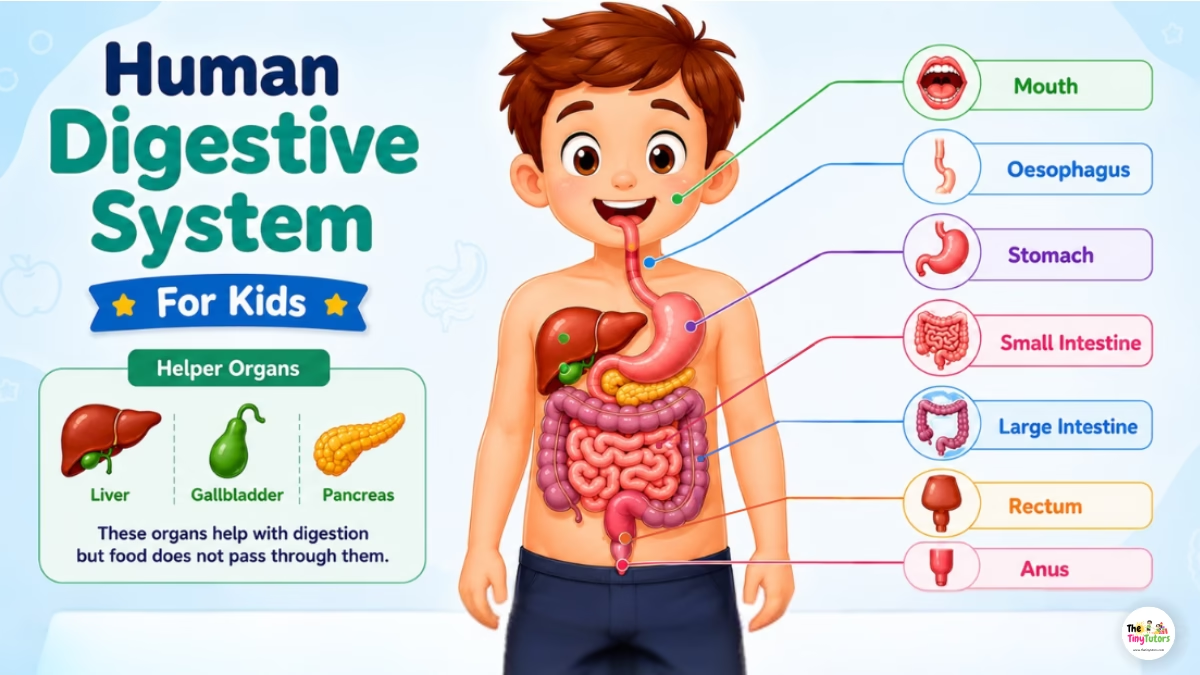
The liver, gallbladder, and pancreas also help with digestion. These organs support the digestive process, but food does not pass through them.
Remember: When looking at a digestive system diagram, simply follow the path of food from the mouth to the anus. This shows the complete journey food takes through the body.
How Food Travels Through the Human Digestive System for Kids
Let’s follow a bite of banana as it travels through the digestive system!
Step 1: Mouth
The journey begins in your mouth. Your teeth chew the banana into smaller pieces, and saliva helps soften the food so it is easier to swallow.
Step 2: Oesophagus
After you swallow, the food travels down the oesophagus, a tube that connects the mouth to the stomach. Special muscles gently push the food along.
️ Step 3: Stomach
In the stomach, the food is mixed with digestive juices. These juices help break the food down into a soft mixture that is easier for the body to process.
Step 4: Small Intestine
The food then moves into the small intestine. This is where most of the nutrients from the banana are absorbed and sent into the bloodstream to be used by the body.
Step 5: Large Intestine
Any leftover material moves into the large intestine. Here, water is absorbed, and the remaining waste begins to form.
Step 6: Rectum and Anus
Finally, the waste is stored in the rectum until it is ready to leave the body through the anus.
Fun Fact: It usually takes about 24 to 72 hours for food to complete its entire journey through the digestive system!
Fun Facts About the Human Digestive System for Kids
Here are the most amazing fun facts about the digestive system for kids — guaranteed to impress your friends and family!
1. Your Stomach Acid Is Super Strong!
The acid in your stomach is powerful enough to help break down tough foods. Luckily, a special protective lining keeps your stomach safe from the acid.
2. You Make Lots of Saliva Every Day!
🌟 You make over 1 litre of saliva every single day. That is more than a large bottle of water — produced entirely in your mouth!
3. The Small Intestine Is the Longest Digestive Organ!
Many children are surprised to learn that the small intestine is actually the longest organ in the digestive system. In an adult body, it can reach a length of around 6 to 7 metres, helping absorb nutrients from food efficiently.
4. Helpful Bacteria Live in Your Gut
The large intestine provides a home for many helpful bacteria. These tiny helpers support digestion and help maintain a healthy balance inside your digestive system.
5. Food Can Move Even If You Are Upside Down!
Special muscles in your digestive system push food along its journey. This means food can still move through your body even if you are hanging upside down!
Amazing Fact: Your digestive system works all day and all night to help turn food into the energy your body needs to learn, play, and grow.
These fun and educational facts for the digestive system show just how hard your body works behind the scenes every single day.
Common Tummy Troubles Kids Face
Most of the time, the digestive system works smoothly. However, kids can sometimes experience a few common tummy troubles.
1. Constipation
Constipation happens when it is difficult to pass stool or when you do not go to the toilet as often as usual. It is often caused by not drinking enough water or eating enough fibre-rich foods.
Helpful Tip: Drink plenty of water and eat fruits and vegetables to help keep your digestive system moving.
2. Stomach Ache
A stomach ache is a common tummy pain that can happen for many reasons, such as eating too quickly, eating too much, or having a minor tummy upset. Most stomach aches improve with rest.
Helpful Tip: Rest, drink water, and eat light foods until you feel better.
3. Indigestion
Indigestion can make your stomach feel uncomfortable after eating. Some children may feel too full, bloated, or have a mild burning feeling in the stomach.
Helpful Tip: Eat slowly, chew food well, and avoid overeating. ️
⚠️ Important: If stomach problems happen often or are very painful, a parent or guardian should speak with a doctor.
7 Easy Tips to Keep Your Digestive System Healthy
Learning about the human digestive system for kids is not just about passing a science test — it is about making choices that keep your amazing body working at its very best! Here are seven simple tips that both kids and parents will love:
✅ Drink water throughout the day — Water keeps food moving smoothly through your entire digestive tract and prevents constipation. Aim for 6 to 8 glasses every day!
✅ Eat colourful fruits and vegetables — These are rich in fibre, vitamins, and minerals that keep your intestines healthy and happy. The more colours on your plate, the better!
✅ Chew every bite slowly and thoroughly — The more you chew, the less work your stomach has to do. Rushing meals puts extra pressure on your stomach. Aim for at least 20–30 chews per bite!
✅ Stick to regular meal times — Eating at roughly the same times each day trains your digestive system to work at its best. Skipping meals can confuse your gut! ️
✅ Get moving every day — Physical activity helps your intestines move food along and reduces the chance of constipation. Even a 20-minute walk after a meal makes a difference! ♀️
✅ Limit very greasy and sugary foods — Fried foods and sweets are harder to digest and can upset your stomach. Enjoy them as occasional treats, not daily habits!
✅ Always respond to your body’s signals — If your body tells you it is time to go to the toilet, do not hold it in for too long. Ignoring those signals regularly can lead to constipation and discomfort.
Human Digestive System for Kids Quiz
Time to test what you have learned! Can you answer all 3 questions correctly?
❓ Q1: Where does digestion begin?
Stomach
Oesophagus
Mouth
Small Intestine
✅ Ans: C — Mouth
❓ Q2: Which organ absorbs most nutrients from food?
Stomach
Small Intestine
Liver
Large Intestine
✅ Ans: B — Small Intestine
❓ Q3: What is the main job of the digestive system?
Pump blood around the body
Help you breathe
Break down food and absorb nutrients
Control body temperature
✅ Ans: C — Break down food and absorb nutrients
Human Digestive System for Kids — Quick Recap Table
Here is a handy summary of everything we covered about the human digestive system for kids:
| Topic | Key Points |
|---|---|
| What is it? | A group of organs that breaks food into nutrients your body can use |
| Main function | Break down food, absorb nutrients, and remove waste |
| Where it starts | Mouth |
| Where it ends | Anus |
| Longest organ | Small intestine (6–7 metres) |
| Total journey time | 24 to 72 hours |
| Main nutrient absorber | Small intestine |
| Number of main organs | 9 major organs working together |
Conclusion
The human digestive system for kids shows how food is transformed into energy, nutrients, and building blocks that help the body grow and stay healthy. From the mouth to the stomach, small intestine, and large intestine, every organ has an important role to play.
By learning about the digestive system of human body for kids, children can better understand how their bodies work and why healthy eating habits matter every day. To discover where our food and energy originally come from, explore our Food Chain for Kids guide.
Frequently Asked Questions ❓
What is the digestive system?
The digestive system is a group of organs that work together to break down food, absorb nutrients, and remove waste from the body. It helps turn the food you eat into energy your body can use.
What are the main digestive organs?
The main digestive organs are the mouth, oesophagus, stomach, small intestine, large intestine, liver, gallbladder, pancreas, rectum, and anus. Each organ helps move, break down, or process food.
What does the digestive system do?
The digestive system has three main jobs: breaking down food, absorbing nutrients, and removing waste. These jobs help your body stay healthy and active.
Why is digestion important?
Digestion is important because it allows your body to get energy and nutrients from food. Without digestion, your body would not be able to grow, repair itself, or stay healthy.
What is peristalsis?
Peristalsis is the wave-like movement of muscles in the digestive tract that pushes food from one organ to the next. It helps food travel through the digestive system.