
Have you ever wondered what happens to an empty plastic bottle after you place it in a recycling bin? It doesn’t always become waste. Instead, it can be transformed into something useful again! Learning Recycling for Kids is a fun way to discover how simple everyday actions can help keep our planet clean and healthy.
- What Is Recycling? ♻️
- Recycling Meaning in Everyday Life 🏡
- Why Is Recycling Important for Kids? 🌱
- The Three Rs: Reduce, Reuse and Recycle ♻️
- How Does Recycling Work? ♻️
- What Materials Can Be Recycled? 📦
- What Cannot Be Recycled? 🚫
- Examples of Recycling at Home for Kids 🏡
- Simple Recycling Tips for Kids Every Day 🌱
- Recycling Activities for Kids 🎨
- Fun Recycling Facts for Kids 🤩
- Understanding the Recycling Symbol ♻️
- Benefits of Recycling 🌎
- Common Recycling Mistakes 🚫
- Recycling Around the World 🌍
- Recycling Vocabulary for Kids 📖
- Recycling Quiz for Kids 📝
- True or False Activity ✔️❌
- Frequently Asked Questions
- Conclusion 🌍
Every day, we use paper, plastic, glass, and metal at home and school. Many of these materials can be collected, cleaned, and turned into brand-new products instead of being thrown away. By practicing good recycling habits, children can help reduce waste, protect wildlife, and conserve natural resources.
In this easy guide, you’ll learn what is recycling for kids, why it is important, how the Reduce Reuse Recycle for Kids rule works, and simple ways to help the environment every day. Let’s begin our exciting journey toward becoming Earth Heroes! 🌱
What Is Recycling? ♻️
Understanding Recycling for Kids is the first step toward protecting the Earth. Recycling means giving used materials a new purpose instead of sending them to a landfill. This simple habit helps keep valuable resources in use and reduces unnecessary waste.
Simple Definition for Kids 📚
Recycling means collecting old or used materials and turning them into new products instead of throwing them away.
Think of it as giving something a second chance!
Here are a few simple examples:
- 📄 Old newspapers can become new notebooks.
- 🥤 Plastic bottles can become playground equipment.
- 🍶 Glass jars can become new bottles.
- 🥫 Metal cans can become brand-new cans.
This is one of the easiest ways children can help care for the environment.
Recycling Meaning in Everyday Life 🏡
Recycling is not only something that happens in factories—it starts with small choices we make every day.
You can practice recycling by:
- ♻ Using the correct recycling bins
- 💧 Carrying a reusable water bottle
- 📚 Donating books you no longer read
- 🎁 Reusing gift bags and boxes
- 📦 Turning cardboard into fun craft projects
These simple actions teach children that protecting the Earth begins at home.
Why Is Recycling Important for Kids? 🌱
Why should children learn about Recycling for Kids? Because every small action can help protect the planet. Whether it’s recycling a bottle, using less paper, or placing waste in the correct recycling bin, these simple choices help create a cleaner and healthier environment.
Here are five important reasons why recycling matters.
Helps Protect Nature 🌳
Recycling reduces the need to use new natural resources such as trees, water, and minerals. When fewer resources are taken from nature, forests, rivers, and wildlife habitats stay healthier.
Children can help by:
- 🌿 Picking up litter during outdoor activities.
- ♻ Putting recyclable items into the correct recycling bins.
- 🌼 Respecting parks, gardens, and green spaces.
- 🚮 Never throwing waste on the ground.
Every small action helps care for nature.
Saves Trees 🌲
Paper is made from trees. Recycling paper means more trees can continue growing and producing clean air.
Easy ways to help:
- 📄 Use both sides of paper.
- 📚 Recycle old worksheets and notebooks.
- ✏ Finish one notebook before opening another.
These simple habits protect forests for people and animals.
Keeps Oceans Cleaner 🌊
Plastic that is thrown away carelessly can travel into rivers and oceans, where it may harm sea life.
By learning Recycling for Kids, children can help reduce plastic waste and protect:
- 🐢 Sea turtles
- 🐬 Dolphins
- 🐠 Fish
- 🦀 Crabs
A cleaner ocean begins with responsible recycling at home and school.
Reduces Pollution 🌍
Too much waste can pollute the air, water, and soil. Recycling helps reduce the amount of waste sent to landfills, making communities cleaner and healthier.
When everyone recycles correctly, the environment becomes a better place to live.
💧 Cleaner rivers and lakes support healthy ecosystems and are also important for the Water Cycle for Kids, helping provide clean water for people, plants, and animals.
Saves Energy ⚡
Making products from recyclable materials often uses less energy than making them from new raw materials.
For example:
- 🥫 Recycling metal helps save energy.
- 📄 Recycling paper helps conserve forests.
- 🍶 Recycling glass reduces the need for new natural resources.
Saving energy also helps reduce pollution and protects the Earth for future generations.
The Three Rs: Reduce, Reuse and Recycle ♻️
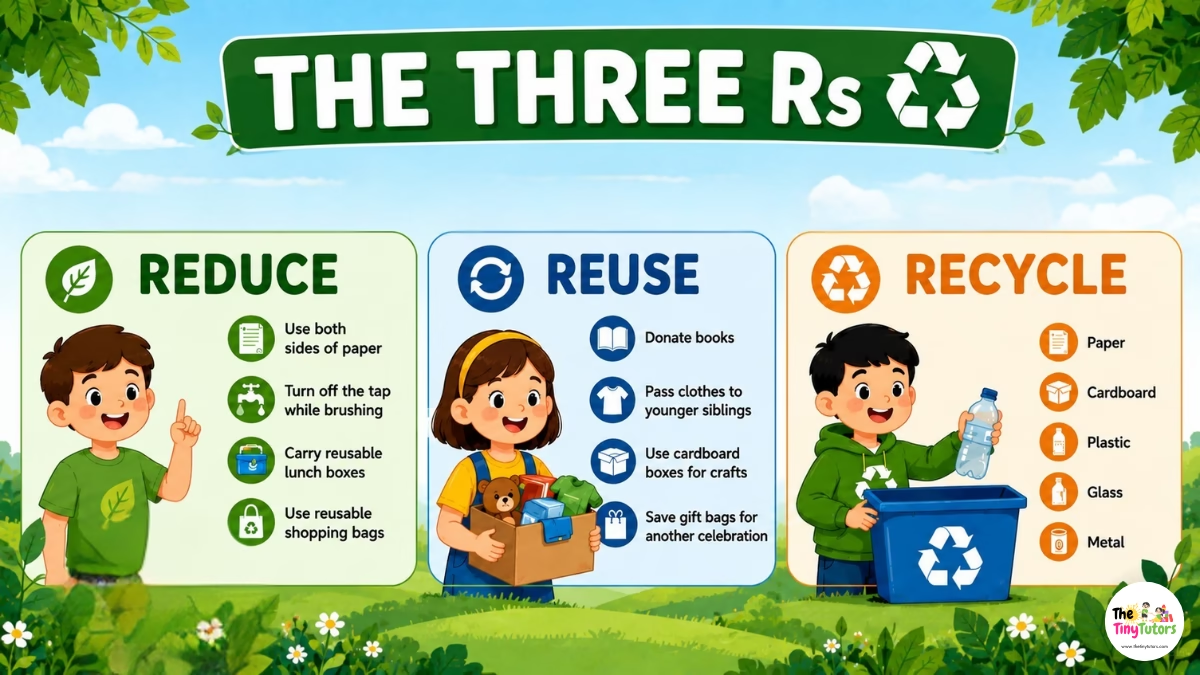
The Reduce Reuse Recycle for Kids rule is one of the easiest ways to remember how to care for the environment. These three simple steps help create less waste and encourage sustainable living.
Reduce
Reduce means using fewer resources so less waste is created.
Children can reduce waste by:
- 📝 Using both sides of paper.
- 💧 Turning off the tap while brushing.
- 🎒 Carrying reusable lunch boxes.
- 🛍 Using reusable shopping bags.
Every small choice makes a difference.
Reuse
Reuse means finding a new purpose for an item before throwing it away.
Examples include:
- 📚 Donating books.
- 👕 Passing clothes to younger siblings.
- 📦 Using cardboard boxes for crafts.
- 🎁 Saving gift bags for another celebration.
Reusing helps reduce waste while encouraging creativity.
Recycle
Recycle means placing suitable recyclable items into the correct recycling bin so they can be processed into new products.
Common Recyclable Materials for Kids include:
- 📄 Paper
- 📦 Cardboard
- 🥤 Plastic
- 🍶 Glass
- 🥫 Metal
Following local recycling rules helps make the recycling process successful.
Easy Examples of the 3Rs 🌟
| Reduce | Reuse | Recycle |
|---|---|---|
| Use fewer paper towels | Reuse gift bags | Recycle newspapers |
| Carry a reusable bottle | Donate books | Recycle glass jars |
| Buy only what you need | Repair toys | Recycle aluminum cans |
| Switch off lights | Reuse storage boxes | Recycle cardboard |
💚 Remember: First Reduce, then Reuse, and finally Recycle whenever possible. These simple habits make Recycling for Kids easy to practice every day.
How Does Recycling Work? ♻️
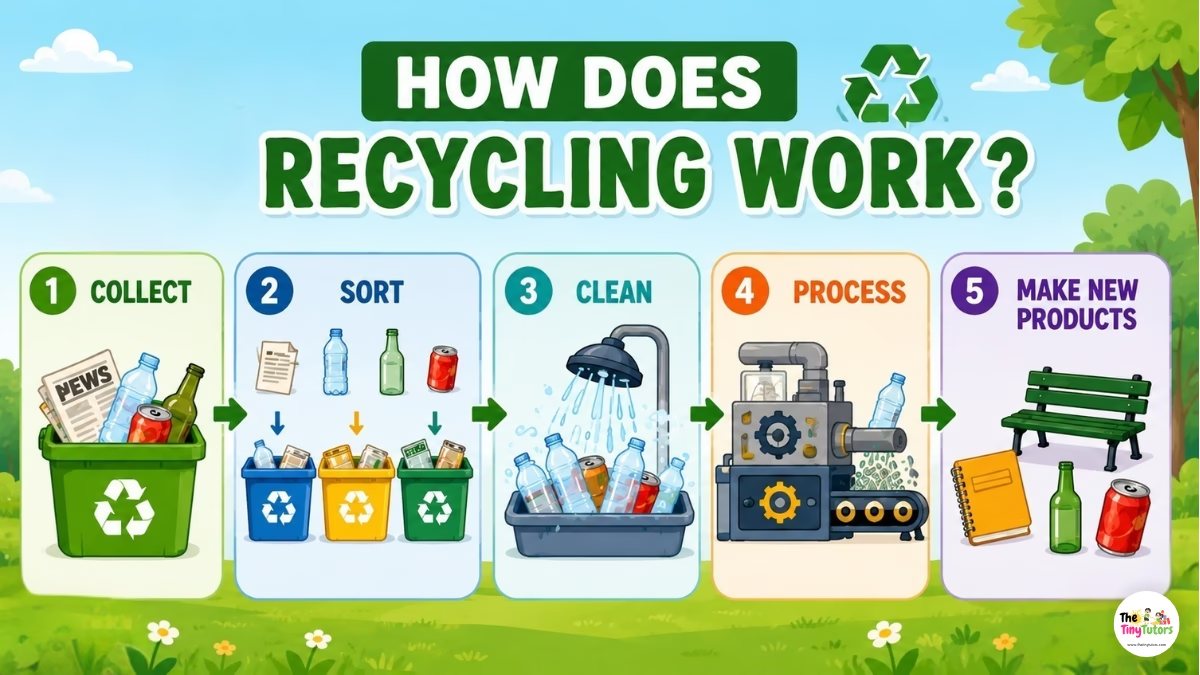
The Recycling Process for Kids shows how used materials are turned into new products. Learning Recycling for Kids helps children understand that paper, plastic, glass, and metal can be reused instead of becoming waste.
Step 1 – Collect 📦
People place paper, plastic, glass, and metal into the correct recycling bins. Clean recyclable materials are then taken to a recycling center.
Step 2 – Sort 🗂️
Workers and machines separate materials into different groups.
| Material | Sorted Into |
|---|---|
| 📄 Paper | Paper section |
| 🥤 Plastic | Plastic section |
| 🍶 Glass | Glass section |
| 🥫 Metal | Metal section |
Step 3 – Clean 🧼
The materials are washed to remove food, dirt, and other waste. Clean items produce better-quality recycled products.
Step 4 – Process 🏭
Each material is processed differently.
- 📄 Paper is turned into paper pulp.
- 🥤 Plastic is shredded and melted.
- 🍶 Glass is crushed and melted.
- 🥫 Metal is melted and reshaped.
This is a simple example of Recycling Explained for Kids.
Step 5 – Make New Products 🎉
The processed materials are used to make useful products again.
| Old Item | New Product |
|---|---|
| Newspaper | Notebook |
| Plastic Bottle | Park Bench |
| Glass Jar | New Bottle |
| Aluminum Can | New Can |
🌍 Quick Fact: Every recycled product helps save natural resources and reduces waste.
What Materials Can Be Recycled? 📦
Many everyday items can be recycled when they are clean and sorted correctly. Learning about Recyclable Materials for Kids helps children understand which materials belong in recycling bins.
Paper 📄
Paper is one of the most commonly recycled materials.
Examples:
- Newspapers
- School notebooks
- Printer paper
- Magazines
- Paper bags
💡 Use both sides of paper before recycling to help save trees.
Cardboard 📦
Clean cardboard is easy to recycle.
Examples:
- Cereal boxes
- Shipping boxes
- Shoe boxes
Flatten large boxes before placing them in the recycling bin.
Plastic 🥤
Many plastic containers can be recycled depending on local recycling rules.
Examples include:
- Water bottles
- Milk bottles
- Shampoo bottles
- Juice containers
Always rinse plastic containers before recycling.
Glass 🍶
Glass can often be recycled many times without losing its quality.
Examples:
- Glass bottles
- Food jars
- Juice bottles
Ask an adult to handle broken glass safely.
Metal 🥫
Metal is a valuable recyclable material.
Examples:
- Aluminum drink cans
- Food cans
- Clean metal lids
Recycling metal helps save energy and natural resources.
Electronics 💻
Some electronic items need special recycling centers.
Examples:
- Old phones
- Keyboards
- Computer accessories
- Small electronic toys
These should never be thrown into regular household bins.
📋 Quick Recycling Guide
| Material | Usually Recyclable? |
|---|---|
| Paper | ✅ Yes |
| Cardboard | ✅ Yes |
| Plastic | ✅ Often |
| Glass | ✅ Yes |
| Metal | ✅ Yes |
| Electronics | ♻ Special Collection |
What Cannot Be Recycled? 🚫
Not everything belongs in a recycling bin. Understanding Recyclable and Non-Recyclable Items helps children make better recycling choices.
Some materials cannot be recycled through regular household recycling programs because they may contaminate other recyclable materials or require special disposal methods.
🚫 Items That Are Usually Not Recyclable
| Item | Why It Usually Cannot Be Recycled |
|---|---|
| 🍕 Dirty Pizza Boxes | Grease and food stains can spoil recyclable paper. |
| 🍌 Food Waste | Food scraps belong in a compost bin, not a recycling bin. |
| 🛍 Plastic Shopping Bags | They can get tangled in recycling machines. |
| 🍽 Broken Ceramic Plates and Cups | Ceramics are different from recyclable glass. |
| 🧊 Styrofoam | Many local recycling programs do not accept it. |
💡 Tip: Recycling rules may vary by city or country, so always check your local recycling guidelines with an adult.
By learning Recycling for Kids, children can understand that choosing the correct bin is just as important as recycling itself.
Examples of Recycling at Home for Kids 🏡
Learning Recycling at Home for Kids begins by recognizing everyday household items that can be recycled or reused correctly.
Before placing any item into a recycling bin, make sure it is clean and follow your local recycling guidelines. These simple examples help children understand Recyclable Materials for Kids in real-life situations.
| Household Item | What You Can Do |
|---|---|
| 🥤 Plastic Bottle | Empty, rinse, and place it in the plastic recycling bin. |
| 🥛 Milk Carton | Clean it and recycle it if your local program accepts cartons. |
| 📰 Newspaper | Keep it dry and recycle it with other paper products. |
| 📦 Cardboard Box | Flatten the box before placing it in the recycling bin. |
| 🍯 Glass Jar | Wash it, remove the lid if required, and recycle it safely. |
| 🥫 Aluminum Can | Rinse it before putting it into the metal recycling bin. |
| 📱 Old Electronics | Take them to a special electronic recycling collection point. |
| 🔋 Used Batteries | Never place them in household recycling bins. Use a battery collection center instead. |
🌟 Quick Tip: Clean and dry recyclable items are easier to recycle and help produce better-quality new products.
These everyday examples show that Recycling for Kids starts with knowing which materials belong in the correct recycling bin.
Simple Recycling Tips for Kids Every Day 🌱
Learning Recycling for Kids is also about building good habits that reduce waste before recycling even begins. Small daily choices can protect the environment, conserve resources, and encourage eco-friendly habits for life.
🌟 Recycling is just one of many positive habits children can learn. You can also explore our Good Habits for Kids guide to discover more simple daily habits that help build a healthy, responsible lifestyle.
🌟 Save Electricity
Turn off lights, fans, computers, and televisions when they are not being used. Saving electricity also helps save natural resources.
💧 Turn Off the Tap
Close the tap while brushing your teeth or washing your hands. Saving water is another important way to care for the planet.
📄 Print Only When Necessary
Whenever possible, read homework or worksheets on a screen or print only the pages you really need. This helps save trees and reduces paper waste.
🛍️ Carry a Cloth Shopping Bag
A reusable cloth bag can replace many single-use plastic bags and helps reduce plastic waste during shopping trips.
✏️ Share School Supplies
Before buying new pencils, crayons, rulers, or notebooks, see if they can still be used or shared with classmates or siblings.
🍎 Compost Fruit and Vegetable Peels
If your family has a compost bin, fruit and vegetable scraps can become nutrient-rich compost instead of going into the trash.
🌼 Take Care of Your Belongings
Looking after school bags, lunch boxes, water bottles, and toys helps them last longer, reducing the need to replace them frequently.
🌍 Daily Earth-Friendly Challenge
Can you complete these five simple tasks today?
- ✅ Turn off unused lights.
- ✅ Save water while brushing.
- ✅ Use less paper.
- ✅ Carry a reusable shopping bag.
- ✅ Put recyclable waste into the correct recycling bins.
These easy actions are practical Recycling Tips for Kids that help families create less waste while protecting nature every day.
Recycling Activities for Kids 🎨
Hands-on activities make learning fun and memorable. These Recycling Activities for Kids encourage creativity while teaching children how everyday items can have a second life.
♻️ Recycling Sorting Game
Collect clean household items and ask children to sort them into the correct recycling bins.
🌼 Bottle Planter
Turn an empty plastic bottle into a colorful flower planter using paint, soil, and seeds.
📦 Cardboard House
Build a small playhouse, castle, or garage using old cardboard boxes. These simple Recycle Projects for Kids encourage imagination while reducing waste.
📄 Homemade Paper
With adult supervision, tear old paper into small pieces, mix it with water, and press it into handmade paper for greeting cards or bookmarks.
🥫 Tin Can Pencil Holder
Clean aluminum cans can become pencil holders, flower pots, or craft organizers.
🍂 Nature Art
Create artwork using fallen leaves, twigs, flowers, and pinecones instead of buying new craft materials.
🌍 Earth Day Challenge
🌍 Celebrate Earth Day by collecting litter, planting flowers, or teaching friends about recycling and other eco-friendly habits.
🏫 Classroom Recycling Challenge
Create friendly classroom teams that earn points for sorting recyclable materials correctly and reducing paper waste.
Fun Recycling Facts for Kids 🤩
Learning Recycling for Kids becomes even more exciting with these surprising facts! These interesting facts help children remember why recycling is important while having fun.
✨ A single aluminum can can be recycled and used again many times.
✨ Some playground benches are made from recycled plastic bottles.
✨ Glass can be recycled again and again without losing its quality.
✨ Recycling one stack of paper helps save valuable natural resources.
✨ Old T-shirts can become cleaning cloths or craft materials instead of being thrown away.
✨ Many schools collect recyclable waste during Earth Day activities.
✨ Recycling helps keep landfills from filling up too quickly.
✨ Every child can make a difference by practicing Recycling for Kids at home and school.
Understanding the Recycling Symbol ♻️
The recycling symbol (♻️) is one of the easiest signs to recognize. Learning Recycling for Kids also means understanding what this symbol tells us.
What Does the ♻️ Symbol Mean?
The three arrows represent a continuous cycle of using resources wisely. When you see this symbol on a product, it may mean:
- ♻ The item can often be recycled.
- ♻ The product may contain recycled materials.
- ♻ Follow your local recycling rules before throwing it away.
Plastic Numbers Made Simple
Different plastic products have numbers that help recycling centers identify the type of plastic.
| Number | Common Example |
|---|---|
| 1 | Water bottles |
| 2 | Milk containers |
| 3 | PVC products |
| 4 | Plastic wrapping |
| 5 | Food containers |
| 6 | Foam products |
| 7 | Mixed plastics |
📌 Remember: Plastic recycling rules may be different in each city or country, so always check your local recycling guide.
Benefits of Recycling 🌎
The benefits of Recycling for Kids go far beyond keeping recycling bins full. Recycling creates positive changes for people, animals, nature, and future generations. Every recycled item plays a small part in building a cleaner world.
| 🌍 Who Benefits? | 🌟 How Recycling Helps |
|---|---|
| 👨👩👧 People | Cleaner neighborhoods, healthier surroundings, and less waste in public places. |
| 🐦 Animals | Protects wildlife by reducing pollution in forests, rivers, and oceans. |
| 🌳 Nature | Conserves natural resources, supports cleaner air, and encourages sustainable use of paper, plastic, glass, and metal. |
| ⚡ Energy Resources | Using recycled materials often requires less energy than producing new products. |
| 🌎 Future Generations | Leaves a cleaner, greener planet for children to enjoy in the years ahead. |
💚 When families practice Recycling for Kids together, they help build lifelong eco-friendly habits that protect both people and the environment.
Common Recycling Mistakes 🚫
Even when people recycle, small mistakes can make the recycling process less effective. Learning these habits helps children recycle correctly and keeps recyclable items clean and useful.
🚫 Mistakes to Avoid
❌ Putting recyclable items into the wrong recycling bins.
❌ Forgetting to rinse bottles, cans, or glass jars before recycling.
❌ Placing wet paper or cardboard into the recycling bin.
❌ Overfilling recycling bins so materials spill out.
❌ Crushing glass containers when your local recycling program asks for them to stay whole.
❌ Leaving bottle caps or lids on items if local recycling rules require them to be removed.
🌟 Smart Recycling Tips
- ✅ Empty containers before recycling.
- ✅ Keep paper and cardboard dry.
- ✅ Follow the recycling instructions provided by your local community.
- ✅ Ask an adult whenever you are unsure where an item belongs.
Practicing Recycling for Kids means learning not only what can be recycled but also how to recycle correctly. Good recycling habits help protect the environment, reduce waste, and make it easier to turn old materials into new products.
Recycling rules can be different in each area, so parents can check their local recycling guidelines or learn more from the U.S. EPA’s guide to recycling common household items. U.S. EPA – How to Recycle Common Recyclables
Recycling Around the World 🌍
Children around the world learn different ways to recycle because every country has its own recycling system.
- 🇩🇪 Germany encourages careful waste sorting.
- 🇯🇵 Japan separates recyclable materials into several categories.
- 🇦🇺 Australia uses color-coded recycling bins in many communities.
- 🇸🇪 Sweden recycles a large amount of household waste and recovers useful resources.
No matter where we live, learning to recycle teaches every child how small actions can help create a cleaner, greener future.
Recycling Vocabulary for Kids 📖
Learn these simple recycling words to understand how we can help protect the environment.
| Word | Simple Meaning |
|---|---|
| ♻️ Recycle | Turn used materials into new products. |
| 🔄 Reuse | Use an item again instead of throwing it away. |
| 📉 Reduce | Use fewer resources to create less waste. |
| 🗑️ Waste | Things we throw away after using them. |
| 🏞️ Landfill | A place where most trash is buried. |
| 🥤 Plastic | A material used to make bottles, containers, and toys. |
| 🍶 Glass | A hard material used to make jars and bottles. |
| 🌍 Environment | Everything around us, including air, water, plants, animals, and people. |
💡 Quick Tip: Try using these words in your daily conversations to become a smart Earth helper!
Recycling Quiz for Kids 📝
Let’s see how much you’ve learned about Recycling for Kids! Choose the correct answer.
1. Which item belongs in a paper recycling bin?
A. Banana peel
✅ B. Newspaper
C. Plastic bag
D. Food scraps
2. What should you do before recycling a plastic bottle?
A. Throw it away
B. Break it
✅ C. Empty and rinse it
D. Fill it with water
3. Which habit helps reduce waste?
A. Buying new notebooks often
✅ B. Using both sides of a sheet of paper
C. Throwing away usable toys
D. Leaving lights on
4. Which item usually needs a special recycling center?
A. Glass bottle
B. Cardboard box
✅ C. Old battery
D. Newspaper
5. What does the recycling symbol (♻️) mean?
A. Throw everything away
B. Burn the waste
✅ C. The item may be recycled or made from recycled materials
D. Keep it in storage
6. Which action helps protect the environment?
A. Mixing trash with recyclable waste
B. Littering in parks
C. Wasting paper
✅ D. Sorting recyclable items correctly
True or False Activity ✔️❌
Read each statement and decide whether it is True (✔️) or False (❌).
- Recycling helps reduce waste. (✔️ True)
- Dirty food should be placed in recycling bins. (❌ False)
- Clean glass jars can often be recycled. (✔️ True)
- Batteries should be thrown into regular household recycling bins. (❌ False)
- Sorting paper, plastic, glass, and metal makes recycling easier. (✔️ True)
- Every child can help protect the Earth by recycling correctly. (✔️ True)
Frequently Asked Questions
Q1: What is recycling for kids?
Recycling is the process of collecting and changing used materials into new products instead of throwing them away.
To learn more about recycling and its environmental benefits, visit the U.S. Environmental Protection Agency (EPA) Recycling Basics. U.S. EPA – Recycling Basics and Benefits
Q2: Why should kids recycle?
Children can help reduce waste, save natural resources, and keep their surroundings clean by building good recycling habits.
Q3: What are recyclable materials?
Common recyclable materials include paper, cardboard, plastic, glass, and metal, although local recycling rules may vary.
Q4: What does the recycling symbol mean?
The ♻ symbol shows that a product may be recyclable or made from recycled materials.
Q5: Can plastic always be recycled?
No. Some plastics are recyclable, while others require special collection. Always follow your local recycling program.
Q6: What are the 3Rs?
The 3Rs are Reduce, Reuse, and Recycle. They help us create less waste and use resources wisely.
Conclusion 🌍
Learning Recycling for Kids helps children understand that small everyday actions can protect the environment and reduce waste.
By recycling correctly, reusing useful items, and making thoughtful choices, every child can help build a cleaner and greener future.
Keep practicing these simple habits, encourage your family and friends to join you, and remember—every small step counts! 💚♻️