
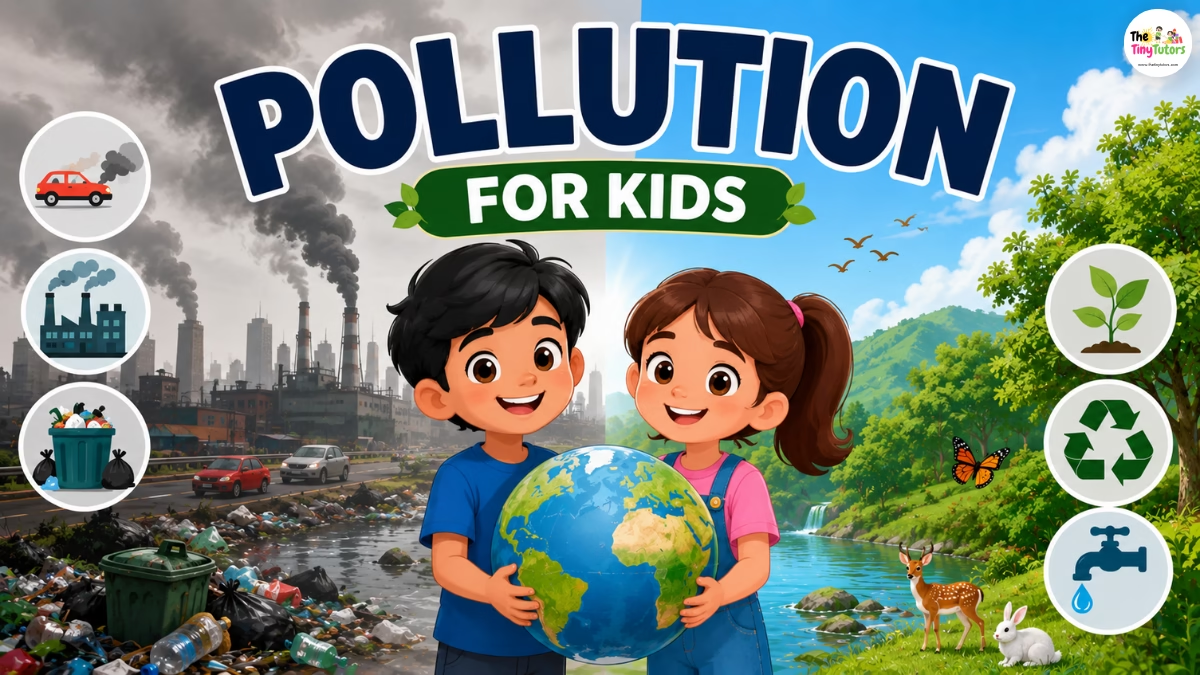
Have you ever wondered why the sky sometimes looks smoky, why rivers become dirty, or why people say we should never throw plastic on the ground?
- What Is Pollution?
- What Causes Pollution?
- Types of Pollution
- Air Pollution for Kids
- Water Pollution for Kids
- Land Pollution for Kids
- Soil Pollution for Kids
- Noise Pollution for Kids
- Plastic Pollution for Kids
- Light Pollution for Kids
- How Pollution Affects People, Animals & Nature
- Easy Ways Kids Can Reduce Pollution
- Pollution Facts for Kids
- Everyday Examples of Pollution
- Why Pollution Is Dangerous
- Which Environment Would You Choose?
- Pollution Quiz
- Pollution Vocabulary
- Frequently Asked Questions (FAQs)
- Conclusion
These are all signs of pollution—a problem that affects the air we breathe, the water we drink, the land we live on, and even the animals and plants around us.
Learning about Pollution for Kids helps children understand how everyday actions can protect our planet. Whether you’re at home, in school, or playing outside, simple habits can make a big difference.
To understand why keeping the environment clean matters, it’s also helpful to learn about recycling and how small daily habits reduce waste.
The best part? You don’t have to be a scientist or a superhero to help the Earth. Every time you recycle, use a dustbin, save water, or plant a tree, you’re taking a step toward a cleaner and healthier world.
📚 In This Guide, You’ll Learn
By the end of this article, you’ll be able to:
✅ Understand what pollution is in simple words
✅ Discover the main causes of pollution
✅ Explore the different types of pollution with real-life examples
✅ Learn how pollution affects people, animals, plants, and nature
✅ Find easy ways kids can help reduce pollution every day
✅ Test your knowledge with fun facts, a quiz, vocabulary words, and printable worksheet ideas
So, are you ready to become an Earth Hero and help keep our planet clean?
Let’s get started! 🌎💚
What Is Pollution?
Imagine drinking muddy water instead of clean water or breathing smoky air instead of fresh air. It would not feel healthy, right? That is why learning about Pollution for Kids is so important.
Simple Definition
Pollution is the introduction of harmful substances into the environment that make the air, water, or land dirty and unsafe for living things.
Pollution affects many parts of nature, including plants, animals, rivers, and even the food chain that connects all living things.
These harmful substances are called pollutants. Pollutants can be:
- Smoke from cars
- Factory gases
- Garbage
- Plastic waste
- Oil spills
- Harmful chemicals
- Loud noises
When pollutants enter nature, they can damage ecosystems and make it difficult for plants, animals, and people to stay healthy.
Easy Example for Kids
Imagine your classroom after art time.
If everyone leaves paper, crayons, wrappers, and bottles on the floor, the classroom becomes dirty and messy.
Now imagine the Earth as one giant classroom.
Pollution happens when people leave trash in rivers, fill the air with harmful smoke, or throw waste onto the ground instead of disposing of it properly.
Why Should Kids Learn About Pollution?
Learning about pollution helps children:
- Protect nature
- Save clean water
- Care for plants
- Help animals
- Keep the Earth healthy
- Develop good environmental habits
The more we understand pollution today, the better we can protect our planet tomorrow.
Quick Pollution Overview
| Topic | Simple Explanation |
|---|---|
| Pollution | Anything that makes the environment dirty or unsafe |
| Pollutants | Harmful materials that cause pollution |
| Environment | Everything around us, including the air we breathe, the water we use, the land we live on, and all plants and animals. |
| Clean Environment | A healthy place with fresh air, clean water, and little waste |
What Causes Pollution?
Pollution does not happen by itself. Most pollution is caused by human activities, although some natural events can also pollute the environment.
Understanding the causes helps us make smarter choices every day.
Human Causes of Pollution
These are the most common reasons pollution happens.
Vehicle Smoke Cars, buses, trucks, and motorcycles burn fuel and release smoke into the air.
Factory Emissions Factories can release harmful gases and chemicals that pollute the air and nearby water.
Throwing Garbage Anywhere Littering parks, roads, rivers, or beaches creates pollution and can harm wildlife.
Throwing waste in the correct place is one of the easiest good habits every child can practice every day.
Too Much Plastic Plastic bags, bottles, and wrappers take many years to break down and often end up in oceans and rivers.
Cutting Too Many Trees Trees help clean the air. When forests are destroyed, pollution becomes worse.
Chemical Waste Some industries and farms release harmful chemicals into water or soil, making them unsafe.
Natural Causes of Pollution
Nature can also create pollution, although it happens less often.
Examples include:
- Volcanic eruptions
- Dust storms
- Wildfires caused by lightning
- Floods carrying waste into rivers
Natural pollution usually lasts for a short time, while human pollution often continues unless people take action.
Human Causes vs Natural Causes
| Human Causes | Natural Causes |
|---|---|
| Car smoke | Volcanoes |
| Plastic waste | Dust storms |
| Factory gases | Wildfires |
| Littering | Floods |
| Chemical dumping | Natural ash |
Types of Pollution
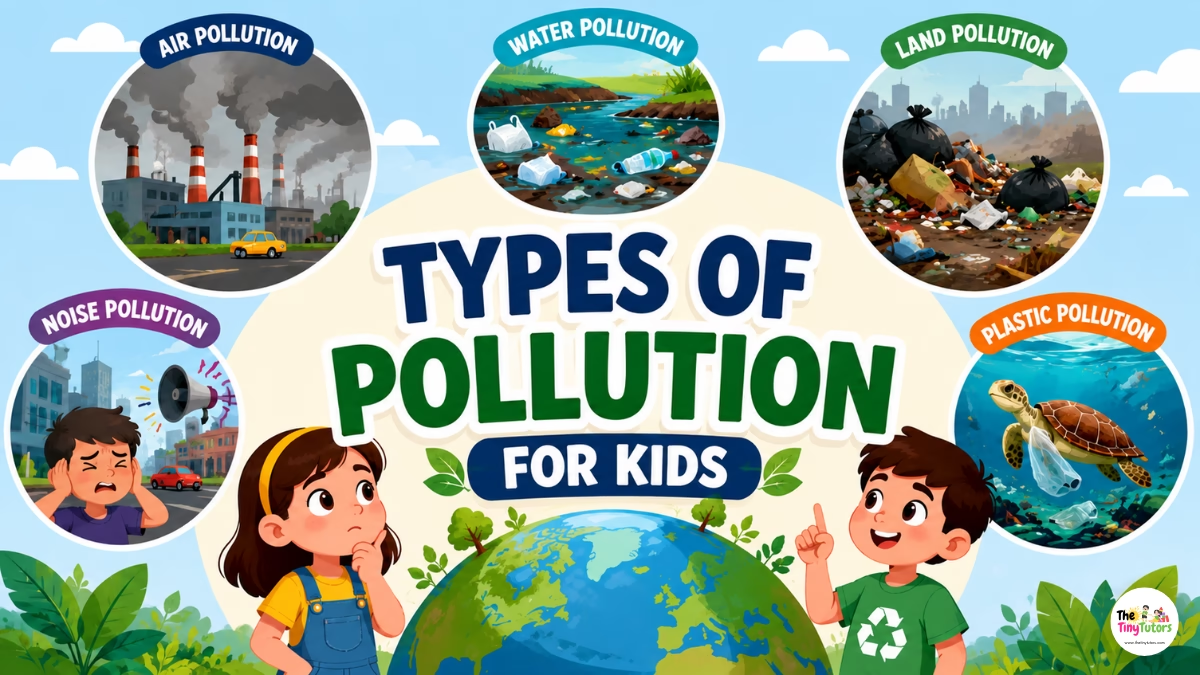
Not all pollution is the same. Some pollution affects the air we breathe, while other pollution damages rivers, oceans, land, or even creates too much noise.
Learning the types of pollution for kids helps us understand how different parts of nature can be affected.
The seven main types are:
- Air Pollution
- Water Pollution
- Land Pollution
- Soil Pollution
- Noise Pollution
- Plastic Pollution
- Light Pollution
Each type affects our environment in a different way, but all of them can be reduced when people make responsible choices.
Types of Pollution Chart for Kids
| Type | What Gets Polluted? | Example |
|---|---|---|
| Air Pollution | Air | Smoke from vehicles |
| Water Pollution | Rivers, lakes, oceans | Plastic in rivers |
| Land Pollution | Ground | Litter on roads |
| Soil Pollution | Soil | Harmful chemicals |
| Noise Pollution | Sound | Loud traffic |
| Plastic Pollution | Land & Water | Plastic bottles |
| Light Pollution | Night Sky | Bright city lights |
Air Pollution for Kids
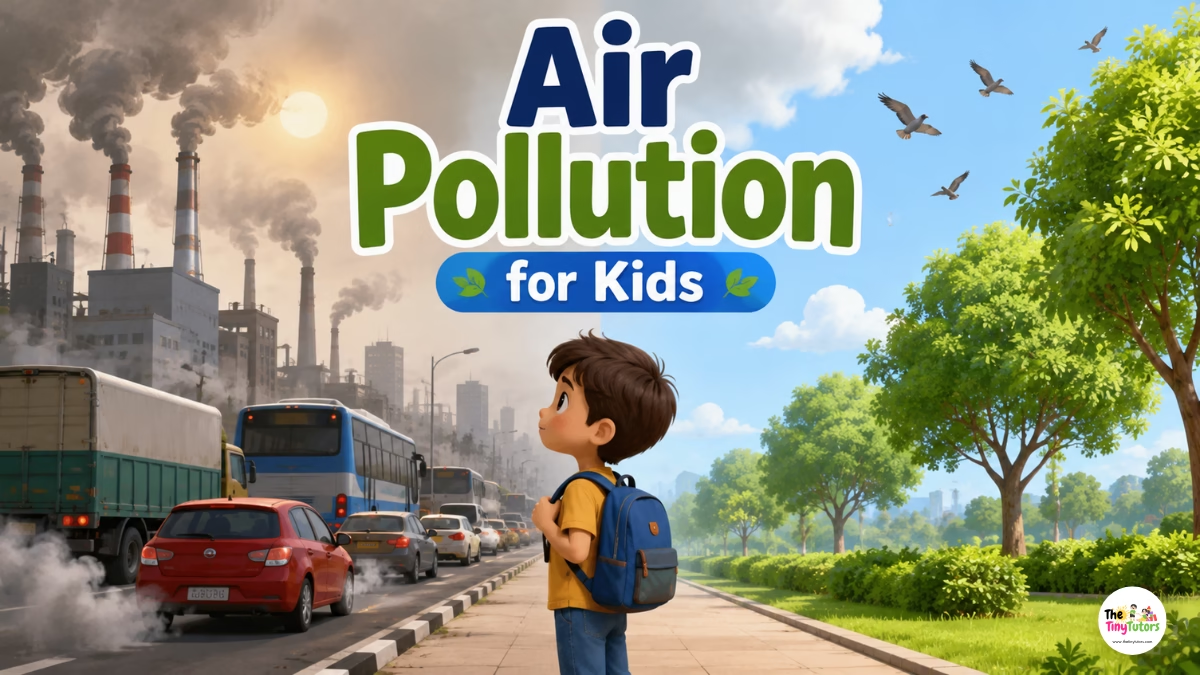
We cannot see air, but we need it every second to breathe. Air Pollution for Kids means the air becomes dirty when smoke, harmful gases, dust, and tiny particles mix with it. Clean air keeps people, animals, and plants healthy, while polluted air can make it harder to breathe.
Children often notice air pollution on busy roads, near factories, or when someone burns trash outdoors. Learning about air pollution helps kids understand why keeping the air clean is important for everyone.
What Causes Air Pollution?
Some common causes of air pollution include:
- Smoke from cars, buses, and trucks
- Gases released by factories
- Burning garbage or dry leaves
- Smoke from forest fires
- Dust from construction sites and roads
How Does Air Pollution Affect Us?
Dirty air can affect both people and nature.
- It can make breathing difficult.
- It may cause coughing or allergies.
- Plants may not grow as well.
- Birds and other animals can also be affected.
- Cleaner air helps keep our environment healthier.
How Kids Can Help Keep the Air Clean
Even small actions can help reduce air pollution.
- Walk or ride a bicycle for short trips when possible.
- Plant and care for trees.
- Never burn trash or leaves.
- Turn off lights, fans, and other electrical devices whenever you are not using them to help save energy.
- Use public transport or carpool with family whenever possible.
Did You Know? A healthy tree acts like a natural air cleaner. Trees absorb carbon dioxide and release oxygen, giving us cleaner air to breathe while also providing homes for many birds and animals.
Water Pollution for Kids
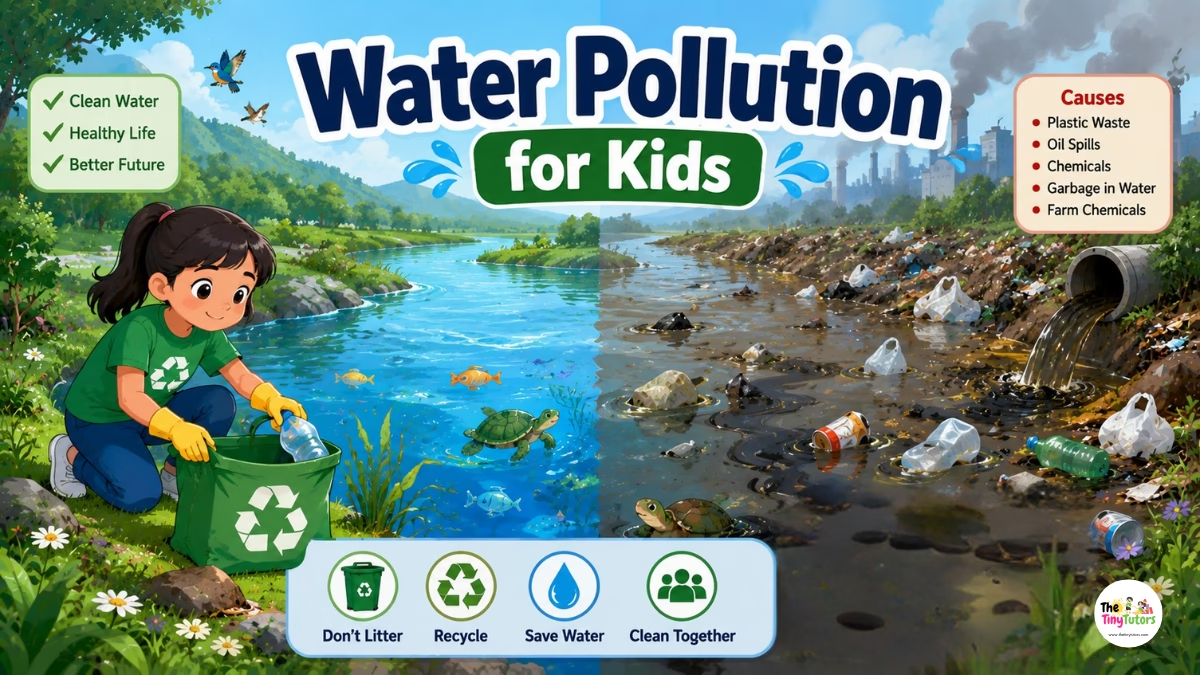
Water is one of Earth’s most valuable resources. Water pollution for kids happens when harmful substances make rivers, lakes, ponds, seas, or oceans dirty and unsafe.
If you’re wondering how to explain water pollution to children, here’s an easy definition:
Water pollution is when waste, chemicals, plastic, or dirty water enters rivers, lakes, or oceans and harms living things.
Causes of Water Pollution for Kids
- Plastic bottles and bags
- Oil spills
- Harmful chemicals
- Throwing garbage into rivers
- Farm chemicals washing into lakes
These are some common causes of water pollution for kids that children can easily understand through real-life examples.
How Does Water Pollution Affect Nature?
- Fish may become sick or die.
- Sea turtles can mistake plastic for food.
- Dirty water becomes unsafe to drink.
- Water plants may stop growing.
- Oceans lose healthy marine life.
Learn more about oceans and why clean water matters from NOAA Ocean Service, a trusted source for ocean education.
How Can Kids Help Protect Water?
Every child can help keep water clean with simple daily habits.
- Throw waste into a dustbin instead of rivers or ponds.
- Recycle plastic bottles and containers whenever possible.
- Use only the water you need and avoid wasting it.
- Join a river, lake, or beach clean-up with your family or school.
- Choose reusable bottles and lunch containers to reduce plastic waste.
Fun Fact Millions of marine animals live in our oceans, and they all depend on clean water to survive. Every plastic bottle recycled and every piece of litter picked up helps protect fish, sea turtles, dolphins, and many other amazing sea creatures.
Remember: Clean water keeps people, plants, and animals healthy. Every small action you take today helps protect our rivers, lakes, and oceans for the future.
Land Pollution for Kids
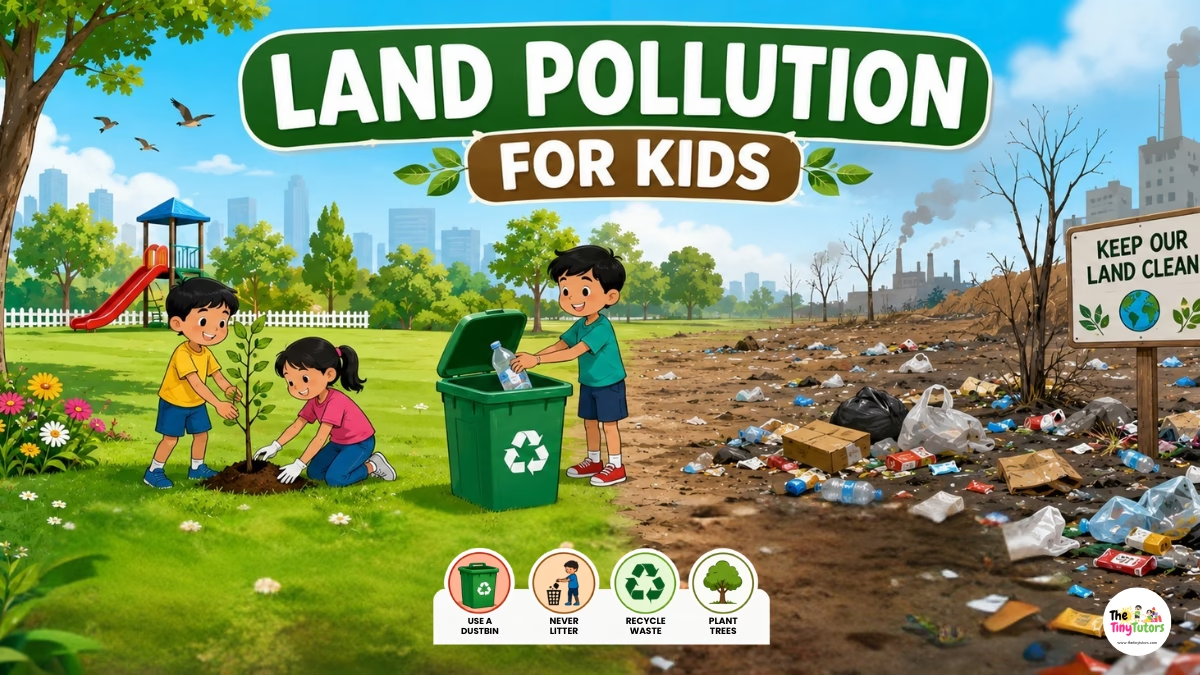
Have you ever seen empty bottles, food wrappers, or plastic bags lying on the roadside or in a park? These are common examples of land pollution for kids to understand. Land pollution happens when waste and harmful materials make the Earth’s surface dirty and unhealthy.
If someone asks, what is land pollution for kids?, the answer is simple:
Land pollution happens when garbage, chemicals, and other waste collect on the ground and harm the environment.
A clean land helps plants grow, provides homes for animals, and gives us safe places to play. Healthy land is also important because it gives wild animals a safe place to live, find food, and raise their babies. You can learn more about animal habitats in our guide on Discover Animals and Their Homes.
When land becomes polluted, plants struggle to grow, wildlife loses its habitat, and outdoor spaces become unsafe and unpleasant for everyone.
Causes of Land Pollution for Kids
Some common causes of land pollution for kids include:
- Throwing garbage on the ground
- Using too many plastic bags
- Illegal dumping of waste
- Industrial waste
- Harmful chemicals entering the land
- Cutting down forests without replacing trees
Effects of Land Pollution
- Plants may not grow well.
- Animals lose their homes.
- Wildlife can eat harmful waste.
- Natural beauty is destroyed.
- Bad smells and dirty surroundings spread.
How Can You Keep Land Clean?
- Use a dustbin.
- Never litter.
- Recycle waste.
- Plant trees.
Amazing Fact A banana peel breaks down naturally in a few weeks, but some plastic items can stay in nature for hundreds of years.
Soil Pollution for Kids
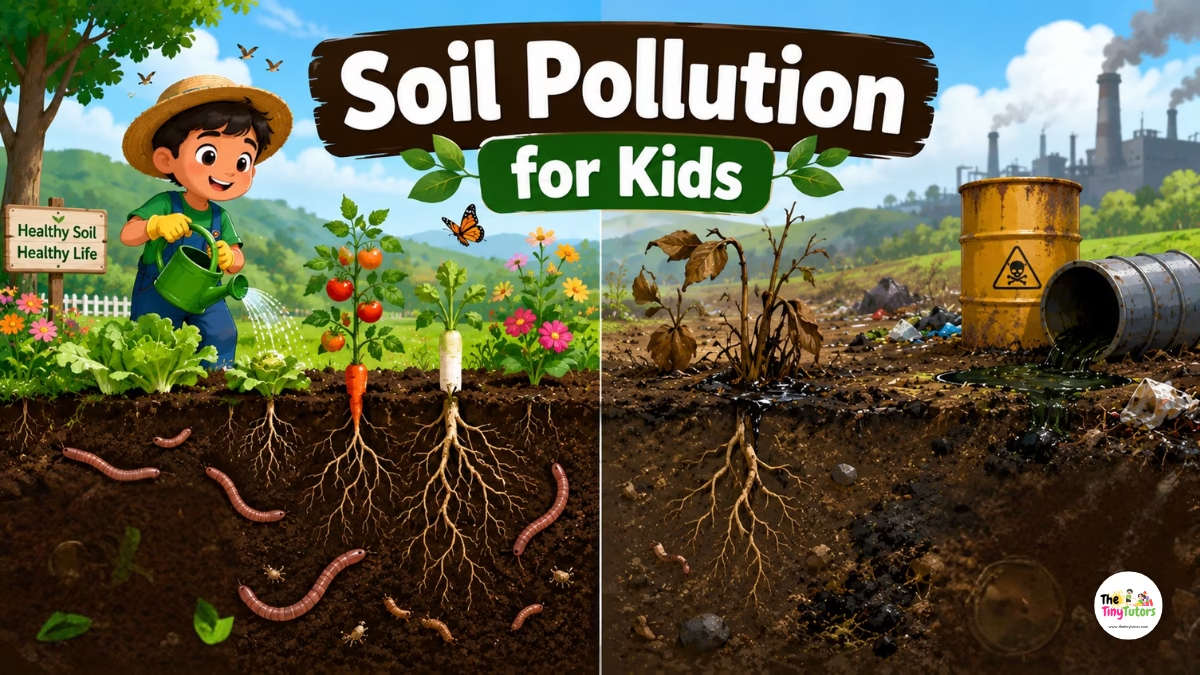
The soil beneath our feet helps grow fruits, vegetables, flowers, and trees. Soil pollution for kids happens when harmful materials get into the soil, making it harder for plants, insects, and other living things to stay healthy.
Good-quality soil contains many tiny living organisms that support healthy plant growth. When chemicals or waste enter the soil, these helpful organisms can disappear.
What Causes Soil Pollution?
Some common causes include:
- Chemical fertilizers used too often
- Harmful pesticides
- Factory waste
- Oil leaks
- Dumping garbage on open land
Effects of Soil Pollution
- Crops may grow poorly.
- Flowers become unhealthy.
- Helpful insects disappear.
- Trees receive fewer nutrients.
- The environment becomes less healthy.
Noise Pollution for Kids
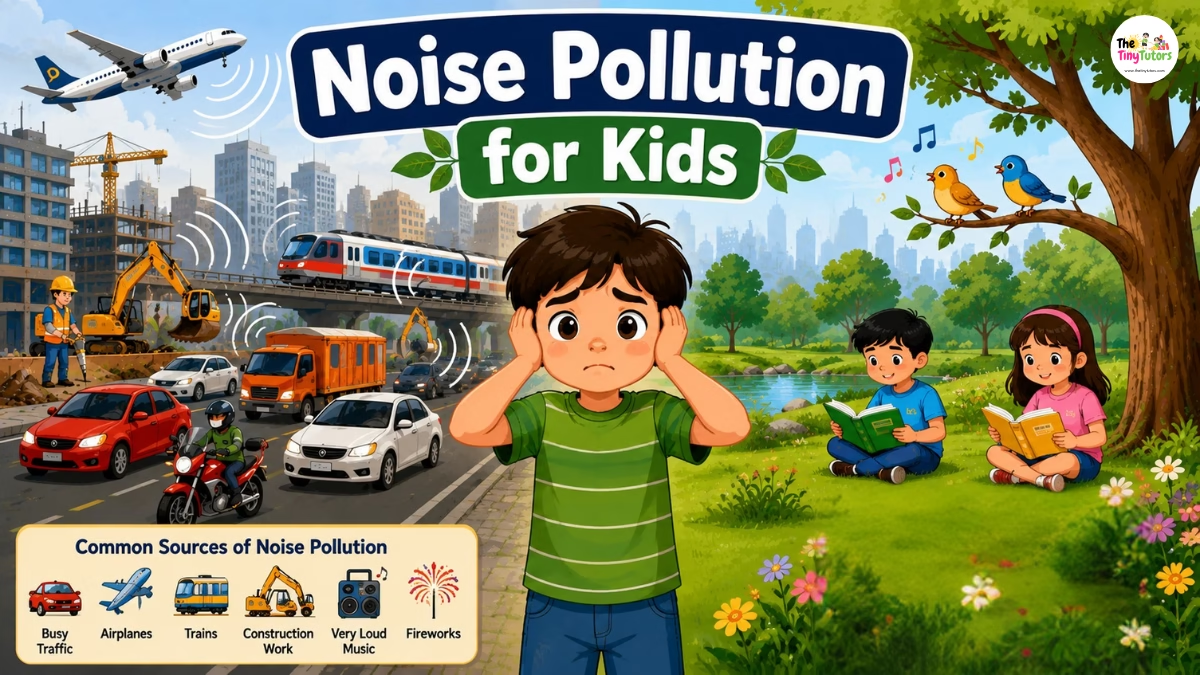
Have you ever covered your ears because a sound was too loud? That is an example of noise pollution.
Noise pollution happens when loud sounds disturb people and animals. Unlike air or water pollution, you cannot see it, but you can hear it.
Common Sources of Noise Pollution
- Busy traffic
- Airplanes
- Trains
- Construction work
- Very loud music
- Fireworks
Effects of Noise Pollution
- Headaches
- Trouble sleeping
- Difficulty concentrating
- Birds may leave noisy areas.
- Stress and discomfort
Fun Fact Owls and many other animals rely on quiet surroundings to hear danger and find food.
Plastic Pollution for Kids
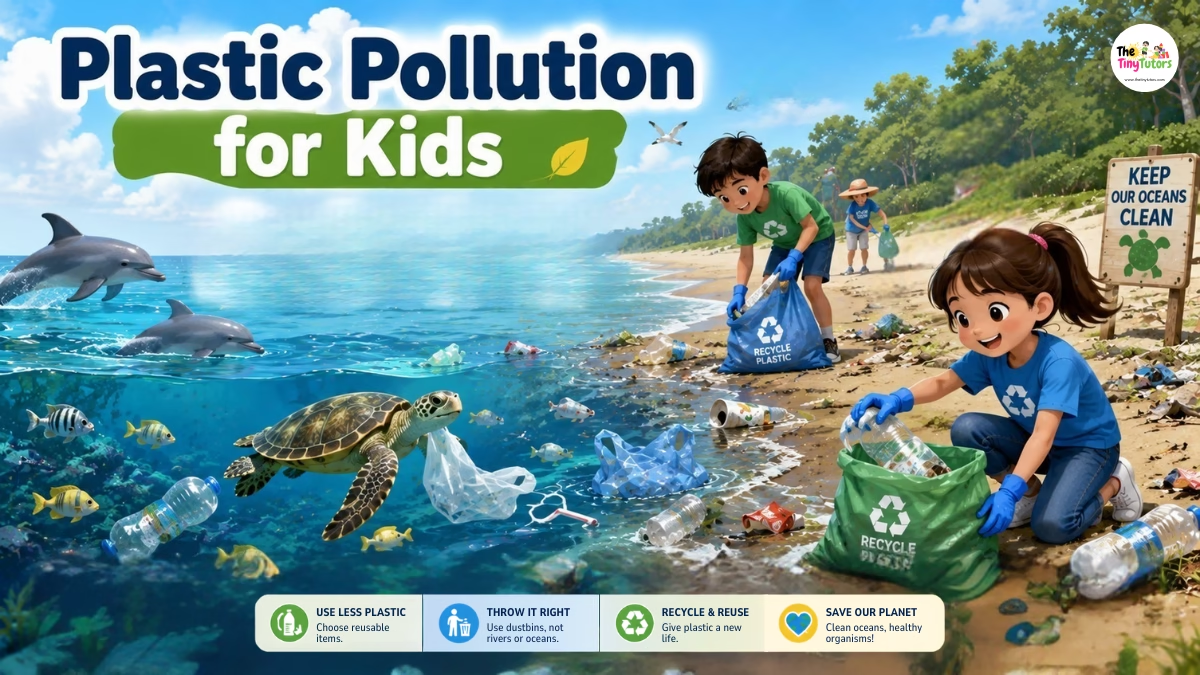
Plastic is useful in many ways, but when it is thrown away carelessly, it becomes a serious environmental problem. Plastic pollution for kids happens when plastic waste collects on land or in water instead of being recycled properly.
Plastic does not disappear quickly. Many plastic items remain in nature for a very long time.
Common Sources of Plastic Pollution
- Plastic bags
- Bottles
- Drinking straws
- Snack wrappers
- Disposable plastic products
Why Plastic Pollution Is Harmful
- Sea turtles may mistake plastic for food.
- Birds can become trapped.
- Rivers and oceans become dirty.
- Soil quality may decrease.
- Fish can be harmed by plastic waste.
Amazing Fact Using one reusable bottle instead of many disposable bottles can help reduce plastic waste every year.
Light Pollution for Kids
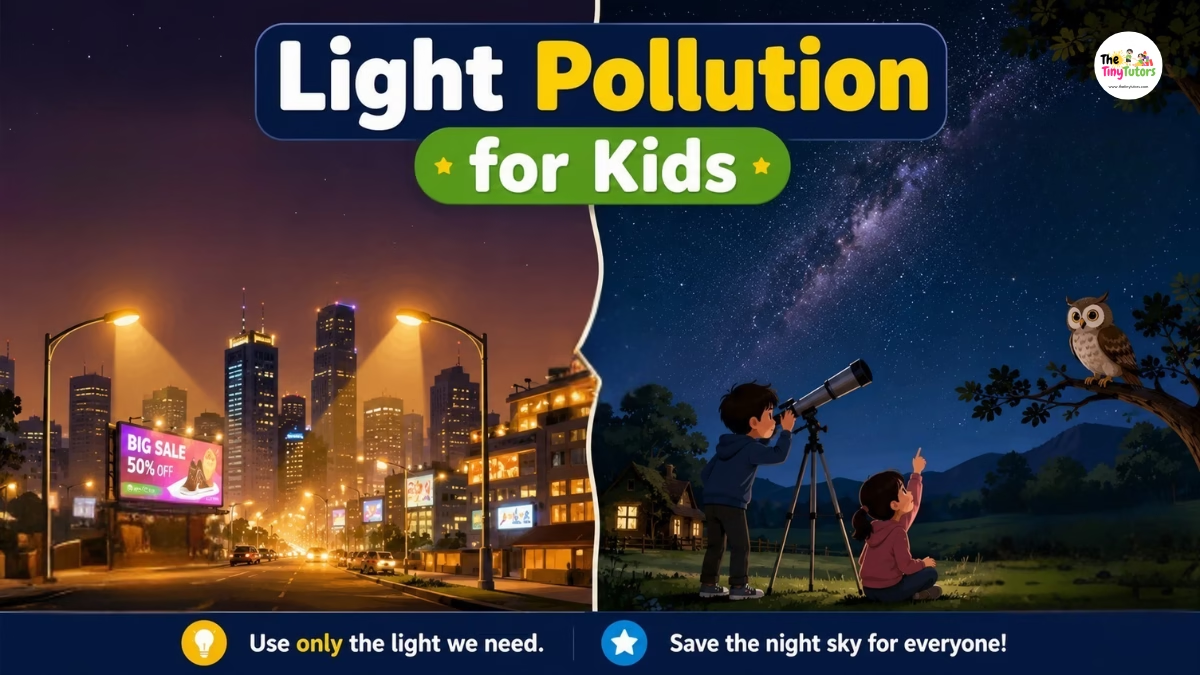
Have you ever looked at the night sky and wondered why only a few stars are visible? Light pollution happens when too many bright lights from cities, buildings, and streets make the night sky brighter than it should be.
This extra light makes it harder to enjoy the stars and can affect both people and animals.
Common Examples of Light Pollution
- Bright city lights
- Streetlights that stay on all night
- Buildings with lights left on after dark
- Large outdoor advertising screens
Effects of Light Pollution
- Fewer stars are visible in the night sky.
- Nocturnal animals, such as owls and bats, can become confused.
- Bright lights may make it harder for some people to sleep well.
Fun Fact Many animals are active at night and use the natural darkness to find food, stay safe, and find their way home.
Keeping unnecessary lights off helps protect both wildlife and the beautiful night sky.
How Pollution Affects People, Animals & Nature
Pollution affects much more than the environment. It can change the way people live, make animals unsafe, and damage natural habitats.
People
Pollution can:
- Make breathing difficult.
- Trigger allergies.
- Reduce access to clean drinking water.
- Affect sleep because of loud noise.
- Harm overall health.
Animals
Wild animals also suffer from pollution.
Examples include:
- Sea turtles swallowing plastic.
- Birds becoming trapped in litter.
- Fish living in polluted water.
- Animals losing their homes because of land pollution.
- Helpful insects disappearing from polluted habitats.
Plants
Plants need healthy air, clean water, and good soil.
Pollution can:
- Slow plant growth.
- Reduce food production.
- Damage flowers.
- Make farming more difficult.
Nature
Healthy ecosystems depend on balance.
Too much pollution can:
- Pollute oceans and rivers.
- Destroy forests.
- Damage natural landscapes.
- Affect weather and climate over time.
Pollution’s Impact at a Glance
| Who Is Affected? | How Pollution Affects Them |
|---|---|
| People | Health problems and dirty surroundings |
| Animals | Habitat loss and unsafe food |
| Plants | Poor growth and unhealthy soil |
| Rivers & Oceans | Dirty water and harmed aquatic life |
| Earth | Less healthy ecosystems |
Easy Ways Kids Can Reduce Pollution
Every child can become an Earth Hero! Small daily actions can make a big difference.
At Home
- Turn off lights when leaving a room.
- Save water while brushing your teeth.
- Use both sides of paper.
- Separate recyclable waste.
At School
- Keep your classroom clean.
- Use the recycling bin.
- Bring a reusable water bottle.
- Encourage friends not to litter.
Outdoors
- Pick up litter safely with an adult.
- Plant flowers or trees.
- Respect parks and nature trails.
- Never throw waste into rivers or lakes.
While Traveling
- Walk short distances.
- Ride a bicycle.
- Share rides with family when possible.
Pollution Facts for Kids
Learning interesting facts makes science even more exciting! Here are some fun and surprising pollution facts for kids that are easy to remember and great for classroom discussions.
10 Fun Pollution Facts
- Trees help clean the air by absorbing carbon dioxide and releasing fresh oxygen.
- Plastic waste can stay in nature for hundreds of years before it breaks down completely.
- Sea turtles, birds, and fish may mistake plastic for food, which can make them sick.
- Recycling paper, plastic, glass, and metal helps reduce waste and saves natural resources.
- Water pollution can harm rivers, lakes, oceans, and the animals that live in them.
- Loud sounds from traffic, airplanes, and construction work can disturb both people and wildlife.
- Healthy soil is important because it helps plants, fruits, and vegetables grow strong.
- Turning off lights and electrical devices when they are not needed saves energy and helps reduce pollution.
- Planting trees and keeping parks clean are simple ways everyone can help protect the environment.
- Even small actions—like using a reusable water bottle or putting trash in a bin—can make a big difference for our planet.
Did You Know? A reusable water bottle can replace hundreds of single-use plastic bottles over time. Choosing reusable items is one of the easiest ways to reduce plastic waste and help protect our planet.
Everyday Examples of Pollution
Children can spot pollution in many places during their daily lives. Looking around carefully helps us understand how our daily actions affect the environment.
You Might Notice:
- Smoke coming from cars, buses, or trucks
- Plastic bottles or bags floating in rivers or ponds
- Litter scattered in parks, playgrounds, or on roads
- Loud traffic or construction work
- Bright lights making it difficult to see the stars at night
Quick Activity
The next time you visit your school, park, or neighborhood, try to find one example of pollution. Then think of one simple way you could help make that place cleaner, such as using a dustbin, recycling waste, or reminding others not to litter.
Remember: Small actions from many children can make a big difference in keeping our planet clean and healthy.
Everyday Pollution Checklist
| Situation | Type of Pollution |
|---|---|
| Smoke from buses | Air |
| Plastic in a river | Water |
| Litter in a park | Land |
| Chemicals in farmland | Soil |
| Loud traffic | Noise |
| Plastic bags everywhere | Plastic |
| Bright lights at night | Light |
Why Pollution Is Dangerous
Pollution is dangerous because it slowly harms the world around us. Pollution is not always easy to notice, but it can quietly affect the air we breathe, the water we use, the food we grow, and the natural homes of plants and animals. If pollution continues to increase, it becomes harder for nature and people to stay healthy.
The best part is that everyone can help lower pollution by making small, eco-friendly choices each day.
Simple habits like recycling, saving water, planting trees, using reusable items, and throwing waste in the correct bin help protect our environment. When everyone works together, even small actions can make a big difference.
Why Keeping the Environment Clean Matters
| If Pollution Increases | If We Protect Nature |
|---|---|
| Air becomes less healthy to breathe. | Air stays cleaner and fresher. |
| Water becomes dirty and unsafe. | Rivers and lakes stay cleaner. |
| Animals lose safe homes. | Wildlife has healthier habitats. |
| Plants grow poorly. | Plants and trees grow better. |
| The environment becomes unhealthy. | The planet becomes cleaner and safer. |
Remember: Every small step—like recycling, saving water, or picking up litter—helps create a cleaner, healthier future for everyone.
Which Environment Would You Choose?
A clean environment means:
- Better health
- Beautiful parks
- Happy animals
- Healthy plants
- Safe drinking water
- Fresh air to breathe
Every small action helps create a cleaner world.
Pollution Quiz
Let’s see how much you’ve learned!
1. What is pollution?
A. Keeping the environment clean
B. Making the environment dirty with harmful substances
C. Planting trees
D. Saving water
✅ Answer: B
2. Which pollution affects rivers and lakes?
A. Air Pollution
B. Noise Pollution
C. Water Pollution
D. Light Pollution
✅ Answer: C
3. Which item can be recycled?
A. Plastic bottle
B. Fresh fruit
C. Rainwater
D. Clouds
✅ Answer: A
4. Which action helps reduce pollution?
A. Throwing trash on the road
B. Burning plastic
C. Recycling waste
D. Wasting water
✅ Answer: C
5. Which pollution makes it difficult to see stars?
A. Land Pollution
B. Plastic Pollution
C. Light Pollution
D. Soil Pollution
✅ Answer: C
6. Which pollution creates loud sounds?
A. Air Pollution
B. Noise Pollution
C. Water Pollution
D. Soil Pollution
✅ Answer: B
Bonus Challenge Can you name three things you can do today to help keep the Earth clean?
✍️ Write your answers below!
Pollution Vocabulary
Learning a few important environmental words will help you understand pollution more easily. Let’s explore these simple terms!
| Word | Easy Meaning |
|---|---|
| Environment | Everything around us, including air, water, land, plants, animals, and people. |
| Pollution | The presence of harmful materials that damage or contaminate our surroundings. |
| Pollutant | Anything that causes pollution, such as smoke, plastic, or chemicals. |
| Recycle | Turning used materials into new products instead of throwing them away. |
| Reuse | Using an item again to reduce waste. |
| Reduce | Using fewer resources and creating less waste to help the environment. |
| Habitat | The natural home where plants and animals live. |
| Conservation | Protecting nature and using natural resources wisely. |
Mini Activity
Can you use these words in your own sentences?
- Environment
- Pollution
- Recycle
- Habitat
Challenge: Write one sentence using any two of the words above. This is a fun way to improve your science vocabulary while learning how to care for our planet!
Frequently Asked Questions (FAQs)
Q1: What is pollution in simple words for kids?
Pollution occurs when waste or harmful substances enter the environment and reduce its cleanliness and safety.
It happens when harmful substances like smoke, plastic, chemicals, or garbage pollute the air, water, or land. Learning about pollution helps children understand why keeping the Earth clean is important.
Q2: What are the main types of pollution for kids?
The seven main types of pollution are:
- Air Pollution
- Water Pollution
- Land Pollution
- Soil Pollution
- Noise Pollution
- Plastic Pollution
- Light Pollution
Each type affects the environment differently and can be reduced through good daily habits.
Q3: Why is pollution harmful?
Pollution can:
- Make people sick.
- Harm animals and marine life.
- Damage forests and plants.
- Pollute rivers and oceans.
- Make our planet less healthy.
Reducing pollution helps create a cleaner and safer world for everyone.
Q4: How can kids help reduce pollution?
Children can help by:
- Recycling waste
- Planting trees
- Using a dustbin
- Saving water
- Turning off unnecessary lights
- Using reusable bags and bottles
- Walking or cycling for short trips
Small actions can make a big difference.
Q5: What is water pollution for kids?
Water pollution happens when garbage, chemicals, oil, or plastic enter rivers, lakes, or oceans, making the water dirty and unsafe for plants, animals, and people.
Q6: Why should we recycle?
Recycling helps:
- Reduce waste
- Save natural resources
- Protect wildlife
- Keep the environment cleaner
- Reduce pollution
Conclusion
Our planet is our home, and every person shares the responsibility of taking care of it. Pollution may seem like a big problem, but small actions taken every day can create a cleaner and healthier future.
Whether it’s recycling a bottle, planting a tree, saving water, or simply throwing trash into a bin, every positive habit helps protect people, animals, and nature.
Remember, you don’t have to be a superhero to make a difference. By making smart choices and encouraging others to care for the environment, you can become a true Earth Hero.
Let’s work together to keep our air fresh, our water clean, our land healthy, and our planet beautiful for generations to come. 🌍
Protecting nature also supports the United Nations Sustainable Development Goals, which encourage everyone to care for people and the planet.