
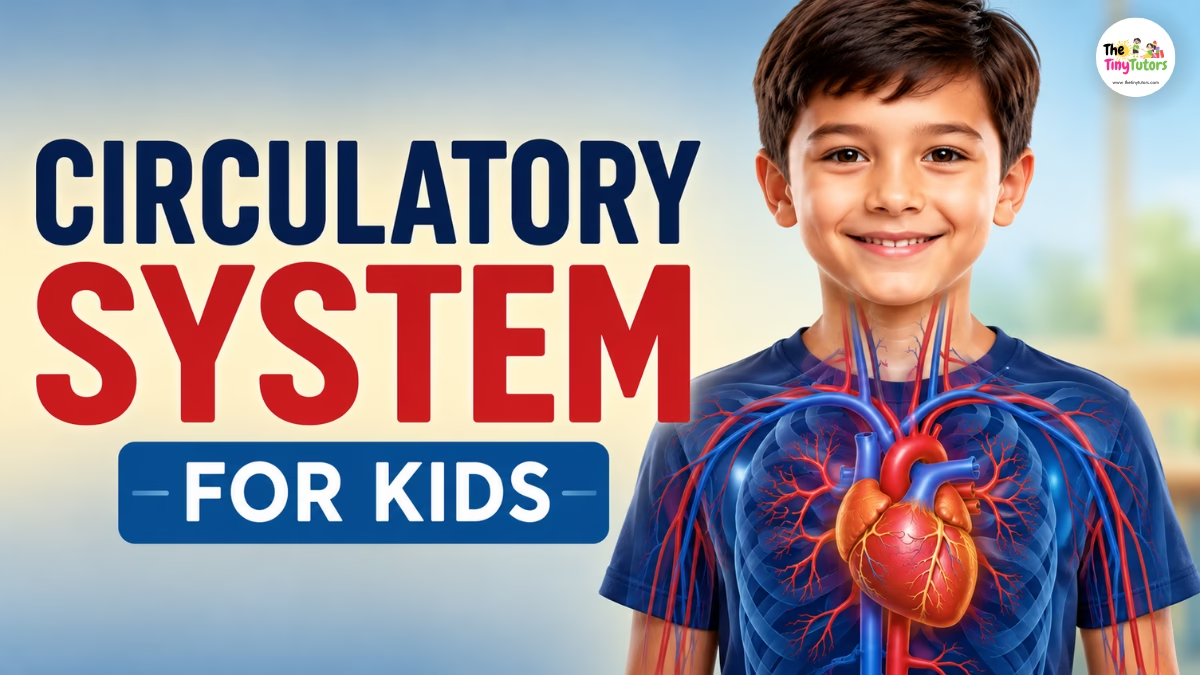
Have you ever wondered how oxygen and nutrients reach every tiny part of your body? 🤔 The answer is the Human Circulatory System for Kids! Every heartbeat sends blood on an exciting journey, helping your body stay active, healthy, and full of energy.
- Welcome to the Circulatory System for Kids
- 🫀 What Is the Circulatory System for Kids?
- What Does the Circulatory System Do?
- The Main Parts of the Circulatory System for Kids
- The Heart
- Blood
- Blood Vessels
- Healthy Habits for a Strong Heart
- Best Foods for a Healthy Heart
- Common Problems in the Circulatory System for Kids
- Common Myths vs Facts
- Circulatory System vs Respiratory System
- Interesting Vocabulary Words
- Hands-on Activities
- 📝 Circulatory System for Kids Quiz
- Key Takeaways
- 🙋 Frequently Asked Questions (FAQs)
- 💬 Final Thoughts
Whether you’re a curious learner, a parent, or a teacher, this guide will help you understand the human circulatory system in a simple and fun way. You’ll discover how your heart, blood, and blood vessels work together like an amazing delivery team.
Along the way, you’ll also enjoy fun facts, real-life examples, and easy explanations that make science exciting.
Welcome to the Circulatory System for Kids
Your body is always busy—even when you’re sleeping! Every second, blood travels through thousands of blood vessels, carrying oxygen and nutrients to every cell. This incredible journey happens because of the Circulatory System for Kids, one of the most important human body systems that keeps us alive.
Think of your body as a busy city. Every home, school, and hospital needs supplies to work properly. In the same way, every cell in your body needs oxygen, water, and nutrients. Your circulatory system delivers these supplies day and night without taking a break.
Why Learning About the Circulatory System Is Important
Learning about your body helps you understand how to take better care of yourself. When you know how your heart pumps blood and why healthy habits matter, it’s easier to make smart choices every day.
By learning the Circulatory System for Kids, you can:
- Understand how your heart works.
- Learn why blood is important.
- Discover how exercise helps your body.
- Know why healthy food keeps your heart strong.
- Build a strong foundation in science.
Understanding the functions of the circulatory system also helps children connect classroom science with real life.
🫀 What Is the Circulatory System for Kids?
The Circulatory System for Kids is a special transport system inside your body. It moves blood everywhere so your cells receive oxygen, nutrients, and other important materials they need to grow and stay healthy.
The human circulatory system works all day and all night. Even while you’re reading this sentence, your heart is pumping blood through thousands of tiny tubes called blood vessels.
Without this amazing system, your body organs would not receive the oxygen they need to survive.
Want to explore how the circulatory system works in more detail? You can learn more about the circulatory system from MedlinePlus, a trusted health information resource provided by the U.S. National Library of Medicine (NIH).
Simple Definition for Kids
The circulatory system is the body’s transportation network.
Its main job is to move blood around the body.
Blood carries:
- Oxygen
- Nutrients
- Water
- Disease-fighting cells
- Waste products
This simple circulatory system explained helps us understand why every heartbeat is so important.
One important circulatory system function is making sure every part of your body gets the supplies it needs at the right time.
Why Our Body Needs a Circulatory System
Imagine a school where no one delivers books, food, or supplies. Everything would stop working!
Your body would face the same problem without the circulatory system.
It helps:
- Deliver oxygen from the lungs.
- Carry nutrients from food.
- Remove carbon dioxide.
- Transport hormones.
- Help injuries heal.
- Protect your body from germs.
These are some of the most important functions of the circulatory system, and they happen every single minute.
Because all your body organs for kids need oxygen, the circulatory system never rests.
Real-Life Example: The Body’s Delivery System 🚚
Imagine hundreds of delivery trucks leaving a warehouse every morning.
The warehouse = Heart
The roads = Blood vessels
The trucks = Blood
The packages = Oxygen and nutrients
The houses = Body cells
Every truck delivers supplies before returning to the warehouse to collect more.
That is exactly how blood flows through the body.
This easy example helps children learn the circulatory system without memorizing difficult scientific words.
What Does the Circulatory System Do?
The Circulatory System for Kids performs many important jobs that help us stay alive and active.
Let’s explore them one by one.
Carries Oxygen
Your lungs collect oxygen every time you breathe.
The blood then carries this oxygen to every cell.
Without oxygen, your muscles and brain couldn’t work properly.
Want to learn how muscles help you move? Check out our The Muscular System Fun Facts for Kids guide.
This is one reason blood circulation is so important.
Delivers Nutrients
After eating healthy foods, your digestive system breaks them into nutrients.
Your blood picks up these nutrients and delivers them throughout your body.
This is another important circulatory system function simple enough for every child to understand.
Removes Waste
Your cells create waste after producing energy.
The blood collects carbon dioxide and other waste materials and carries them to organs that remove them from the body.
This shows how does the circulatory system work together with other human body systems.
Fights Germs
Your blood contains special white blood cells.
These tiny defenders help protect your body against harmful germs and viruses.
Keeping these cells healthy is one way your heart function for kids supports the entire body.
Keeps the Body Warm
Blood also helps control body temperature.
When it’s cold, your body keeps warm blood close to important organs.
When it’s hot, more blood moves near the skin to cool you down.
Isn’t it amazing how your body works every second?
These five jobs explain the function of the circulatory system in a simple way for young learners.
The Main Parts of the Circulatory System for Kids
The Circulatory System for Kids is made up of three amazing parts that work together like a superhero team.
Each part has a special job, and without any one of them, your body could not stay healthy.
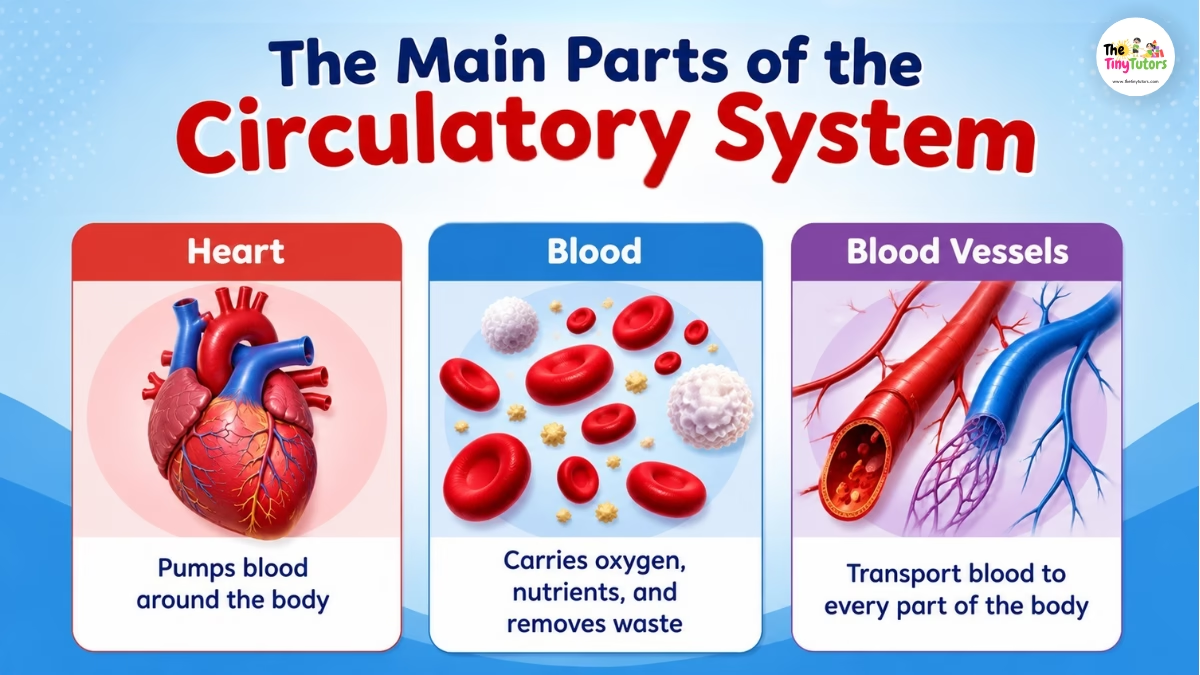
These three main parts are:
| Part | Main Job |
|---|---|
| Heart | Pumps blood around the body |
| Blood | Carries oxygen, nutrients, and removes waste |
| Blood Vessels | Transport blood to every part of the body |
Let’s learn about each part in detail.
If you’d like to explore these parts in more detail, you can read Blood, Heart and Circulation on MedlinePlus, a trusted health resource from the U.S. National Library of Medicine.
The Heart
The heart is one of the strongest muscles in your body.
It is the engine of the human circulatory system, working every second to pump blood throughout your body.
It is the engine of the human circulatory system, working every second to pump blood throughout your body.
Want to see what a real heart looks like? Explore this heart anatomy guide from MedlinePlus to view simple medical diagrams and learn more about the different parts of the heart.
Unlike other muscles, your heart never gets a day off.
It keeps beating while you study, play, sleep, laugh, and even dream!
The heart’s main job is to pump blood so every organ receives oxygen and nutrients.
This is one of the most important functions of the circulatory system.
Where Is the Heart?
Many people think the heart is completely on the left side of the chest.
The truth is that it sits almost in the center of your chest, just slightly to the left.
It is safely protected by your ribs and located between your two lungs. Your ribs are part of the Human Skeleton for Kids, which protects important organs like the heart and lungs.
Try placing your hand on your chest after running. Can you feel your heartbeat?
How Big Is Your Heart?
Here’s an easy way to remember!
Your heart is about the same size as your closed fist.
Although children’s hearts are smaller than adults’ hearts, they work in exactly the same amazing way.
As you grow taller, your heart grows too!
The Four Chambers
Your heart has four special chambers that keep blood moving in the correct direction.
| Chamber | Job |
|---|---|
| Right Atrium | Receives blood returning from the body |
| Right Ventricle | Pumps blood to the lungs |
| Left Atrium | Receives oxygen-rich blood from the lungs |
| Left Ventricle | Pumps oxygen-rich blood to the whole body |
These chambers work together like four teammates passing a ball without making mistakes.
How Many Times Does Your Heart Beat?
Your heart is always busy!
On average, it beats:
- 60–100 times every minute while resting
- Around 100,000 times each day
- More than 35 million times every year
When you exercise, your muscles need more oxygen.
That’s why your heart beats faster during running, jumping, swimming, or cycling.
This is a great example of how does the circulatory system work during physical activity.
What Is a Pulse?
A pulse is the beat you can feel when your heart pumps blood through an artery.
You can check your pulse:
- On your wrist
- On your neck
Every pulse is a sign that your heart is doing its job perfectly.
Mini Activity
Sit quietly for one minute.
- Place two fingers on your wrist.
- Count your heartbeat for 30 seconds.
- Multiply the number by two.
That’s your heart rate!
Blood
Blood is much more than a red liquid.
It is the body’s delivery service, carrying everything your body needs to stay alive.
Without blood circulation, your brain, muscles, skin, and bones would not receive oxygen or nutrients. To learn more about how each bone supports your body, explore our Bones of the Body for Kids guide.
What Is Blood?
Blood is made of different parts, and each one has an important job.
Imagine a school bus.
Every passenger has a different responsibility.
Blood works the same way.
Some cells carry oxygen.
Some fight germs.
Some repair cuts.
Together, they help keep your body healthy.
Red Blood Cells
Red blood cells are tiny oxygen carriers.
Their jobs are to:
- Pick up oxygen from the lungs.
- Deliver oxygen to every body cell.
- Carry carbon dioxide back to the lungs.
Millions of red blood cells travel through your body every second.
White Blood Cells
White blood cells are your body’s defenders.
Whenever harmful bacteria or viruses enter your body, these cells fight them to help you stay healthy.
Think of them as tiny superheroes protecting your body every day.
Platelets
Have you ever fallen while playing?
After a few minutes, the bleeding stops.
That’s because platelets help your blood clot and begin healing the wound.
Without platelets, even tiny cuts would keep bleeding.
Plasma
Plasma is a pale yellow liquid that carries blood cells throughout your body.
It also transports:
- Water
- Nutrients
- Hormones
- Waste materials
More than half of your blood is plasma!
Why Is Blood Red?
Blood is red because of a protein called hemoglobin.
Hemoglobin carries oxygen and gives blood its bright red color.
Even though veins sometimes look blue through your skin, your blood is always different shades of red.
Blood Vessels
Blood vessels are tiny pathways that allow blood to travel all around your body.
Without these tubes, blood could never reach your fingers, toes, brain, or muscles.
There are three main types of blood vessels.
Arteries
Arteries carry oxygen-rich blood away from the heart.
Their strong walls help blood move quickly throughout the body.
Veins
Veins carry blood back to the heart after oxygen has been delivered.
Many veins contain tiny one-way valves that stop blood from flowing backward.
Capillaries
Capillaries are the smallest blood vessels in your body.
They connect arteries and veins.
This is where oxygen and nutrients leave the blood and enter your body’s cells.
Together, arteries, veins, and capillaries create an incredible transportation network that keeps every cell alive.
Why Do Veins Look Blue?
Here’s a fun science fact!
Blood inside your body is never blue.
Veins only appear blue because of the way light passes through your skin and how your eyes see different colors.
Scientists call this an optical effect.
Healthy Habits for a Strong Heart
Your heart works every second of your life, so it’s important to take good care of it.
Just like the other Human Body Systems for Kids, your circulatory system also depends on healthy daily habits to work properly.
Building healthy habits today can help your heart stay strong for many years.
Stay Active Every Day
Exercise makes your heart stronger because it pumps blood more efficiently.
Fun activities include:
- Riding a bicycle
- Playing soccer
- Running and jogging
- Dancing
- Swimming
- Playing outdoor games
Kid Tip: Try to be active for at least 60 minutes every day.
Eat Heart-Healthy Foods
Healthy foods give your heart the nutrients it needs to work properly.
Choose foods like:
- Fresh fruits
- Colorful vegetables
- Whole grains
- Nuts and seeds
- Beans
- Milk and dairy products
- Fish and lean protein
Try to eat fewer sugary snacks and soft drinks because too much sugar isn’t good for your body.
Get Enough Sleep
A good night’s sleep gives your body the time it needs to grow, recover from the day, and stay healthy and full of energy.
School-age children usually need 9–12 hours of sleep each night.
A well-rested body has more energy to learn, play, and stay active.
Drink Plenty of Water
Water helps your blood move smoothly through your body.
Instead of sugary drinks, choose water whenever possible.
Manage Stress
Did you know that your feelings can affect your heart?
Relax by:
- Reading books
- Drawing pictures
- Playing outside
- Spending time with family
- Listening to music
Balance Screen Time
Watching TV or using tablets for too long means less time for movement.
Remember to:
- Take regular breaks.
- Stretch your body.
- Play outside whenever you can.
These habits support healthy blood circulation and keep the Circulatory System for Kids working smoothly for years to come.
Best Foods for a Healthy Heart
| Food | Why It’s Good |
|---|---|
| Apples | Rich in vitamins and fiber |
| Spinach | Contains iron for healthy blood |
| Carrots | Good source of Vitamin A |
| Berries | Full of antioxidants |
| Oats | Support heart health |
| Beans | Rich in protein and fiber |
| Nuts | Healthy fats for the heart |
| Fish | Contains heart-friendly omega-3 fats |
Common Problems in the Circulatory System for Kids
Most children have healthy hearts, but it helps to know a few terms doctors use so you can understand your body better if you ever hear them:
- Low Blood Pressure — blood moves with less force; may cause dizziness
- High Blood Pressure — blood pushes too hard against artery walls
- Anemia — a condition in which the body does not have enough healthy red blood cells to deliver the oxygen your organs and muscles need.
- Heart Disease — more common in adults; healthy habits early on help protect the heart
Common Myths vs Facts
| Myth | Fact |
|---|---|
| Blood is blue inside the body. | Blood is always different shades of red. |
| The heart is completely on the left side. | It sits mostly in the center of the chest, slightly to the left. |
| The heart stops working while you sleep. | Your heart works every second, even while you sleep. |
| Only adults should care about heart health. | Healthy habits are important for children too. |
Circulatory System vs Respiratory System
Comparing the Circulatory System for Kids with the respiratory system shows how two body systems support each other:
| Circulatory System | Respiratory System |
|---|---|
| Moves blood around the body | Brings air into the lungs |
| Uses the heart | Uses the lungs |
| Delivers oxygen to cells | Brings oxygen into the blood |
| Carries waste away | Removes carbon dioxide |
Interesting Vocabulary Words
| Word | Meaning |
|---|---|
| Heart | The muscle that pumps blood |
| Blood | Carries oxygen and nutrients |
| Artery | Carries blood away from the heart |
| Vein | Carries blood back to the heart |
| Capillary | The smallest blood vessel |
| Pulse | The heartbeat you can feel |
| Oxygen | A gas your body needs to live |
| Circulation | The movement of blood through the body |
Hands-on Activities
These fun activities make the Circulatory System for Kids easy and exciting to explore at home or school.
Heartbeat Challenge
Count your pulse before you start jumping, then check it again after one minute to discover how your heart responds to exercise.
Can you notice the difference?
Draw Your Own Diagram
Draw the heart, lungs, arteries, veins, and capillaries. Use:
- 🔴 Red for oxygen-rich blood
- 🔵 Blue for oxygen-poor blood
Paper Heart Craft
Create a colorful paper heart and label its four chambers.
Blood Delivery Game
Pretend you’re a drop of blood carrying oxygen from the lungs to different body parts.
This activity helps children understand blood circulation in a fun way.
📝 Circulatory System for Kids Quiz
Multiple Choice
1. Which organ pumps blood around the body?
A. Brain
B. Heart ✅
C. Stomach
D. Liver
2. Which blood vessels carry blood away from the heart?
A. Veins
B. Arteries ✅
C. Capillaries
D. Muscles
Fill in the Blanks
- The ______ pumps blood. (Heart)
- Blood carries ______ to body cells. (Oxygen)
- ______ help fight germs. (White blood cells)
- ______ connect arteries and veins. (Capillaries)
True or False
- The heart is a muscle. ✅
- Blood is naturally blue. ❌
- Exercise helps keep the heart healthy. ✅
- Veins carry blood back to the heart. ✅
Key Takeaways
- The Circulatory System for Kids works every second of your life
- Heart blood vessels, blood, and the heart work together as one team, and these functions of the circulatory system never stop
- Oxygen and nutrients help every body cell grow
- Exercise, healthy food, sleep, and water support a healthy heart, and knowing fun circulatory system facts makes learning even more enjoyable
🙋 Frequently Asked Questions (FAQs)
Q1: How long does blood take to travel around the body?
Blood completes one full trip around the body in about one minute while you’re resting. During exercise, your heart pumps faster, so blood moves even more quickly.
Q2: Does the heart stop beating while we sleep?
No. Your heart keeps beating day and night, even while you sleep. It continues pumping blood so your body gets the oxygen and nutrients it needs.
Q3: Why do doctors listen to your heartbeat?
Doctors listen to your heartbeat to check if your heart is beating at a healthy rhythm. It’s a simple way to understand how well your Circulatory System for Kids is working.
Q4: Why does your heart beat faster during exercise?
When you exercise, your muscles need more oxygen. Your heart pumps faster to deliver oxygen-rich blood, giving your body the energy it needs.
Q5: Can drinking water help blood circulation?
Yes. Drinking enough water helps your blood flow smoothly through your blood vessels and supports a healthy heart and body.
Q6: What happens if blood cannot reach a body part?
If blood cannot reach a part of the body, that area may not get enough oxygen and nutrients. Healthy blood flow is important for every cell to work properly.
💬 Final Thoughts
The Circulatory System for Kids is one of the most amazing systems inside your body. From your very first heartbeat to every step you take, it works continuously to deliver oxygen, nutrients, and energy to every cell. By eating healthy foods, staying active, drinking enough water, and getting plenty of sleep, you can help your heart stay strong for years to come.
Keep exploring, asking questions, and discovering how your incredible body works—because every new fact you learn helps you build healthier habits and become a smarter young scientist. 🌟