
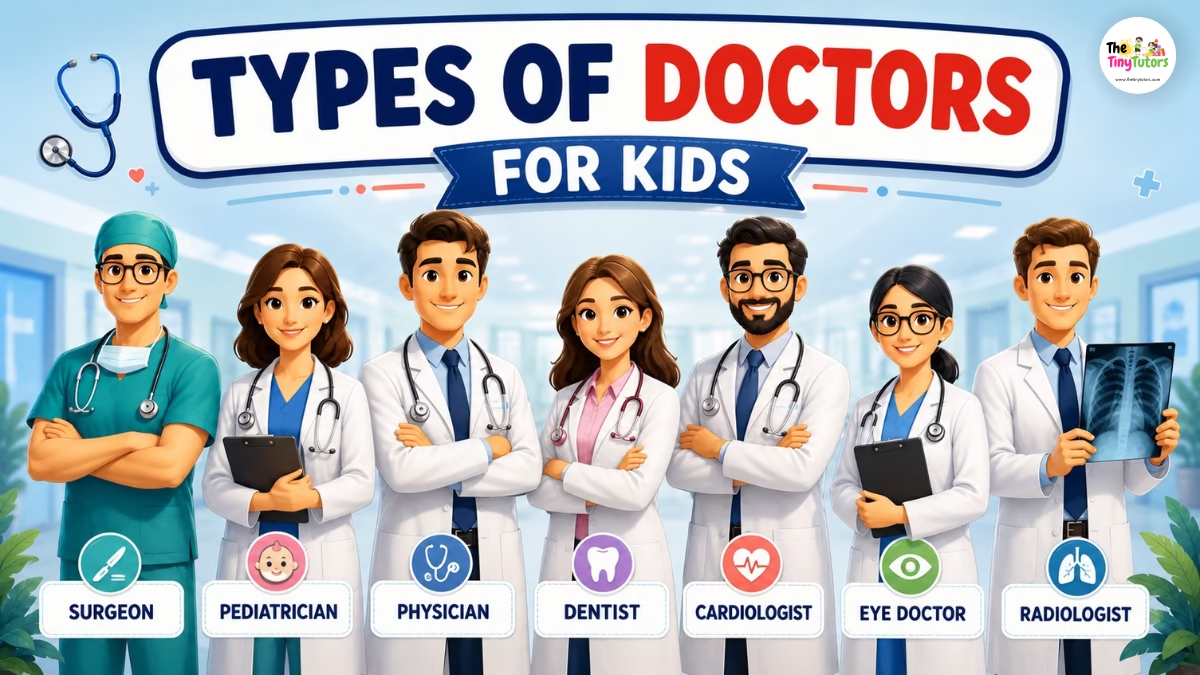
Have you ever wondered why one doctor checks your teeth while another listens to your heartbeat? 🤔 Learning about Types of Doctors for Kids is a fun way to discover how different doctors help us stay healthy and strong.
- What Is a Doctor?
- Why Are There Different Types of Doctors?
- 25 Types of Doctors for Kids
- When Should You Visit Each Doctor?
- Medical Tools Doctors Use
- Where Do Doctors Work? 🏥
- Difference Between Doctor and Nurse
- How Doctors Stay Safe
- How to Become a Doctor
- Healthy Habits Doctors Recommend
- Quick Doctor Specialties Chart
- Fun Facts About Doctors
- Match the Doctor Activity
- 🩺 Doctor Quiz for Kids
- Frequently Asked Questions
- Conclusion
Doctors have different specialties because every part of our body needs expert care. Some doctors help children when they have a fever, while others take care of eyes, teeth, bones, skin, or even the heart. Knowing who these medical specialists are can help children feel more confident and relaxed during doctor visits.
In this kid-friendly guide, you’ll meet 25 different doctors, learn what each one does, discover when you might visit them, and explore the tools they use every day. By the end, you’ll understand how hospitals and clinics work together to help children and families live healthier, happier lives. 🌟
What Is a Doctor?
A doctor is a trained healthcare professional who helps people stay healthy, find out why they are sick, and feel better after an illness or injury. Doctors listen carefully, examine patients, answer health questions, and recommend the best care to help them recover. 👩⚕️👨⚕️
Learning about Types of Doctors for Kids helps children understand that not all doctors do the same job. Some care for children’s health, while others treat the heart, eyes, teeth, bones, skin, or other parts of the body. Every doctor has a special area of knowledge that helps patients receive the right care.
Doctors also help prevent illnesses by encouraging healthy habits, giving regular checkups, and finding health problems early. Learning about the human body parts for kids also makes it easier to understand which part of the body each doctor cares for.
They work closely with nurses and other healthcare professionals to make sure every patient receives safe and caring treatment. Knowing what doctors do can help children feel more confident and prepared whenever they visit a clinic or hospital.
Why Are There Different Types of Doctors?
Different parts of the body need different kinds of help. That is why there are many different types of doctors and medical specialists. One doctor may help with the heart, while another may help with the skin or bones.
Doctors choose a specialty because they want to learn deeply about one part of the body or one kind of illness. This helps them become experts. In Types of Doctors for Kids, we learn that each doctor has a special job, just like each school teacher has a different subject to teach.
A simple example: if your toy car breaks, you take it to the right repair person. You would not ask a shoe repair expert to fix it. In the same way, doctors have special jobs for different health needs.
25 Types of Doctors for Kids
Pediatrician 👶
A pediatrician is a doctor for babies, children, and teenagers. They help with fevers, coughs, growing pains, checkups, and common childhood illnesses. The patients they help are kids from newborns to teens. You should visit a pediatrician for regular health checkups and when a child is sick.
Fun example: A pediatrician is like a growth partner who helps kids stay strong and healthy.
Dentist 🦷
A dentist takes care of teeth, gums, and the mouth. They help with tooth pain, cavities, cleaning, and healthy smiles. The patients they help are children and adults of all ages. You should visit a dentist for checkups or if a tooth hurts.
You can also explore Teeth Names and Functions for Kids to discover how each tooth helps you eat and smile.
Fun example: A dentist helps keep the “sugar bugs” away from your teeth.
Cardiologist ❤️
A cardiologist is a heart doctor. They check the heart and help with heart-related problems. The patients they help can be children, teens, and adults who need heart care. You should visit a cardiologist if a doctor wants to check the heart more carefully.
Fun example: A cardiologist helps the body’s pump beat properly.
Neurologist 🧠
A neurologist helps with the brain, nerves, and nervous system. They treat headaches, seizures, nerve problems, and other brain-related issues. The patients they help include children and adults with nervous system concerns. You should visit a neurologist if a doctor thinks the brain or nerves need special care.
Fun example: A neurologist studies the body’s message network.
Dermatologist 🌟
A dermatologist is a skin doctor. They help with rashes, acne, itching, allergies, hair issues, and nail problems. The patients they help are kids, teens, and adults with skin concerns. You should visit a dermatologist if skin becomes red, dry, itchy, or painful.
Fun example: A dermatologist helps the skin feel calm and healthy again.
Orthopedic Doctor 🦴
An orthopedic doctor helps bones, muscles, joints, and movement. They treat broken bones, sprains, leg pain, and joint problems. The patients they help can be children, athletes, and adults. You should visit an orthopedic doctor after a fall, injury, or bone pain.
If you’d like to learn more about how bones support your body, explore our Human Skeleton for Kids guide.
Fun example: This doctor helps the body stand, walk, and jump better.
Ophthalmologist 👀
An ophthalmologist is an eye doctor. They check vision, eye health, eye infections, and eye injuries. The patients they help are children and adults who need eye care. You should visit this doctor if a child cannot see clearly or has eye pain.
You can also learn about the Five Senses for Kids to understand how your eyes help you explore the world.
Fun example: An ophthalmologist helps the world look bright and clear.
ENT Specialist 👂
An ENT specialist helps with the ears, nose, and throat. They treat ear pain, hearing problems, blocked nose, sore throat, and breathing issues. The patients they help are children and adults with ear, nose, or throat trouble. You should visit this doctor when those body parts feel unwell.
Fun example: An ENT specialist is a three-in-one helper for the head and throat.
Gastroenterologist 🍎
A gastroenterologist helps the stomach and digestive system. They treat tummy pain, constipation, gas, diarrhea, and digestion problems. The patients they help can be children and adults with belly troubles. You should visit this doctor when stomach problems do not go away.
Fun example: This doctor helps food move through the body the right way.
Pulmonologist 🌬️
A pulmonologist is a lung doctor. They help with asthma, breathing problems, coughs, and other lung conditions. The patients they help include children and adults who have trouble breathing. You should visit this doctor if breathing feels hard, noisy, or weak.
Fun example: A pulmonologist helps air travel in and out smoothly.
Endocrinologist 🧪
An endocrinologist helps hormones and glands. They treat diabetes, thyroid problems, growth issues, and other hormone-related conditions. The patients they help can be children, teens, and adults. You should visit this doctor when the body’s hormone system needs special attention.
Fun example: This doctor helps the body’s hidden messengers stay balanced.
Urologist 🚻
A urologist helps the urinary system, which includes the bladder and kidneys. They treat pee-related problems, pain, infections, and other urinary concerns. The patients they help are children and adults with urinary issues. You should visit this doctor if peeing hurts or feels unusual.
Fun example: A urologist helps the body remove waste properly.
Nephrologist 💧
A nephrologist is a kidney doctor. They help with kidney health, kidney disease, and problems that affect how the kidneys work. The patients they help are people who need kidney care, including children. You should visit this doctor if the kidneys need special treatment.
Fun example: A nephrologist helps the body’s filters stay strong.
Oncologist 🎗️
An oncologist is a cancer doctor. They help find and treat cancer in children and adults. The patients they help are people who need special cancer care. You should visit this doctor when a serious cancer problem needs treatment.
Fun example: An oncologist is a brave health fighter who helps in serious illness.
Allergist 🤧
An allergist helps people with allergies. They treat sneezing, itching, swelling, rashes, and food or dust allergies. The patients they help are children and adults with allergy problems. You should visit this doctor when your body reacts too strongly to something harmless.
Fun example: An allergist helps calm the sneeze storm.
Psychiatrist 💬
A psychiatrist helps with thoughts, feelings, and mental health. They support children, teens, and adults who feel very sad, worried, or stressed for a long time. You should visit this doctor when emotions need medical support.
Fun example: A psychiatrist helps the mind feel safe, calm, and supported.
Radiologist 📷
A Radiologist uses special pictures, such as X-rays and scans, to look inside the body. These pictures help other doctors find broken bones, injuries, and other health problems.
Fun Example: A radiologist is like a picture detective who can see inside the body. 🩻
Surgeon 🩺
A surgeon is a doctor who performs operations. They fix serious problems by carefully using surgery. The patients they help can be children or adults who need an operation. You visit this doctor when a treatment cannot be done in a simple way.
Fun example: A surgeon is a skilled body repair expert.
Gynecologist 🌷
A gynecologist is a doctor who cares for women’s health. Children usually learn this as they grow older. They care for female health, periods, and body changes. The patients they help are girls, teens, and women. You should visit this doctor for women’s health advice and checkups.
Fun example: A gynecologist helps girls and women understand their changing bodies.
Neonatologist 👶
A neonatologist cares for newborn babies. They help babies who are born early, very tiny, or need extra medical care after birth. The patients they help are newborns in special care. You should visit this doctor in very special baby health situations.
Fun example: A neonatologist is a newborn baby helper.
Rheumatologist 🤲
A rheumatologist helps joints, muscles, and some immune system problems. They treat pain, swelling, and stiffness that affects movement. The patients they help can be children and adults with joint problems. You should visit this doctor if joints hurt for a long time.
Fun example: A rheumatologist helps movement feel easier.
Hematologist 🩸
A hematologist helps with blood problems. They treat issues related to blood cells, anemia, and blood health. The patients they help are children and adults with blood conditions. You should visit this doctor if a doctor needs to check blood more carefully.
Fun example: A hematologist helps the blood do its important job.
Pathologist 🧪
A Pathologist is a doctor who studies blood and other body samples to help find out what is making a person sick. They work in a laboratory and help other doctors choose the right treatment.
Fun Example: A pathologist is like a science detective looking for important clues. 🔍
Anesthesiologist 😴
An Anesthesiologist gives special medicine that helps patients stay comfortable and not feel pain during surgery. They carefully watch the patient to make sure everything stays safe.
Fun Example: This doctor helps patients stay calm and comfortable during an operation. 💙
Family Doctor 👨👩👧👦
A family doctor gives general health care for all ages. They help with common sickness, regular checkups, and health advice. The patients they help are children, parents, and grandparents too. You visit this doctor for everyday health needs.
Fun example: A family doctor is a first-stop health helper for everyone.
When Should You Visit Each Doctor?
This part of Types of Doctors for Kids helps children connect symptoms with the right doctor. It makes learning practical and easy to remember.
- Toothache → Dentist.
- Blurry vision → Ophthalmologist.
- Broken bone → Orthopedic Doctor.
- Ear pain → ENT Specialist.
- Skin rash → Dermatologist.
- Heart concerns → Cardiologist.
- Tummy pain → Gastroenterologist.
- Breathing trouble → Pulmonologist.
- Allergy sneezing → Allergist.
- Fever or common sickness in a child → Pediatrician.
Medical Tools Doctors Use
Doctors use special tools to check the body and help patients. These tools are simple, useful, and safe when used by trained doctors.
- Stethoscope: listens to the heart and lungs.
- Thermometer: checks body temperature.
- Blood pressure monitor: checks blood pressure.
- Otoscope: looks inside the ears.
- X-ray machine: helps see bones and some body parts.
- Syringe: gives medicine or vaccines.
- Reflex hammer: checks body reflexes.
Doctors also wear simple hospital clothes like scrubs or a coat, and that helps keep them clean and ready to work. Hospitals also have special departments for different medical specialists. This is one more reason Types of Doctors for Kids is such a helpful learning topic.
Where Do Doctors Work? 🏥
As you learn about Types of Doctors for Kids, it’s fun to know where doctors help people every day.
Doctors may work in different places, such as:
- 🏥 Hospital – For treating illnesses, injuries, and surgeries.
- 🩺 Clinic – For regular checkups and minor health problems.
- 👶 Children’s Hospital – Specially made for babies and kids.
- 🚑 Emergency Room (ER) – For serious injuries and emergencies.
Doctors also wear special clothes to keep everyone safe and clean.
- 🥼 White Coat
- 👕 Scrubs
- 😷 Face Mask
- 🧤 Gloves
Every doctor has a different job, but they all work together to help children and families stay healthy.
Difference Between Doctor and Nurse
A doctor finds out what is wrong and decides the treatment plan. A nurse helps care for the patient, gives support, and watches over comfort and safety. Both are very important health workers.
In simple words, the doctor is like the planner, and the nurse is like the helper who stays close to the patient. Kids should know that both work together as a team. This teamwork is another useful idea in Types of Doctors for Kids.
How Doctors Stay Safe
Doctors need to stay safe while helping others. They wash hands, wear gloves when needed, and use masks in some situations. They also follow rules to avoid spreading germs.
They use clean tools, check patients carefully, and work in organized spaces. This helps protect both doctors and patients. Children can learn from doctors by also washing hands, covering coughs, and staying clean.
How to Become a Doctor
Many children dream of becoming doctors one day. First, they study hard in school, especially science and reading. Later, they go to medical college and learn how the body works.
After that, they train for a long time to become doctors and may choose one specialty. That is how they become experts in one area of health. Learning about Types of Doctors for Kids can inspire future doctors too. 🌟
Healthy Habits Doctors Recommend
Doctors often tell children to follow healthy habits. These habits help the body stay strong and avoid sickness.
- Eat fruits and vegetables.
- Drink enough water.
- Sleep on time.
- Wash hands often.
- Brush teeth twice a day.
- Play and move every day.
- Tell an adult when you feel unwell.
These simple habits are a big part of staying healthy. Doctors are not only for sickness — they also help us learn how to stay well.
Learning about the Types of Doctors for Kids also teaches children why healthy habits can help prevent many illnesses.
Quick Doctor Specialties Chart
This quick chart makes learning about the Types of Doctors for Kids easy because you can quickly match each doctor with the body part they treat.
| Doctor | Treats |
|---|---|
| Pediatrician | Children |
| Dentist | Teeth and gums |
| Cardiologist | Heart |
| Neurologist | Brain and nerves |
| Dermatologist | Skin |
| Orthopedic Doctor | Bones and joints |
| Ophthalmologist | Eyes |
| ENT Specialist | Ears, nose, throat |
| Gastroenterologist | Stomach and digestion |
| Pulmonologist | Lungs |
| Endocrinologist | Hormones |
| Urologist | Urinary system |
| Nephrologist | Kidneys |
| Oncologist | Cancer |
| Allergist | Allergies |
| Psychiatrist | Mind and feelings |
| Radiologist | Medical images |
| Surgeon | Operations |
| Gynecologist | Girls’ and women’s health |
| Neonatologist | Newborn babies |
| Rheumatologist | Joints and muscles |
| Hematologist | Blood |
| Pathologist | Lab samples |
| Anesthesiologist | Pain control during surgery |
| Family Doctor | General health care |
Fun Facts About Doctors
- ❤️ Your heart beats about 100,000 times every day, and heart doctors help keep it healthy.
- 👶 Pediatricians care for babies, children, and teenagers as they grow.
- 🩺 A stethoscope lets doctors listen to your heartbeat and breathing.
- 🦷 Baby teeth help guide your adult teeth into the right place.
- 🩻 X-rays allow doctors to look at bones without making a cut.
- 🧠 Doctors never stop learning and often study for many years.
- 🧼 Doctors teach healthy habits like washing hands to help stop germs from spreading.
- 🚑 Many doctors work together as a team to give patients the best care.
- 😊 A regular health checkup can help find small problems before they become bigger ones.
- 🌍 Doctors help people of all ages, from tiny babies to older adults.
Match the Doctor Activity
Match each body part or problem to the correct doctor.
This fun activity helps children remember the Types of Doctors for Kids through simple matching practice.
- ❤️ Heart → Cardiologist
- 👀 Eyes → Ophthalmologist
- 🦷 Teeth → Dentist
- 🦴 Bones → Orthopedic Doctor
- 👂 Ears → ENT Specialist
- 🧠 Brain → Neurologist
- 🌸 Skin → Dermatologist
- 👶 Babies → Pediatrician
💡 For Parents & Teachers
Turn this activity into a fun role-play game! Let children pretend to be different doctors using a toy medical kit or simple household items. Ask them to explain which body part they help and why. This hands-on activity builds confidence, improves vocabulary, and makes learning about doctors more enjoyable.
🩺 Doctor Quiz for Kids
Let’s see how much you’ve learned about different doctors! Choose the correct answer for each question. 😊
This quiz is a great way to review the Types of Doctors for Kids and remember which doctor helps each part of the body.
1. Which doctor takes care of your teeth? 🦷
- A. Cardiologist
- B. Dentist
- C. Dermatologist
2. Which doctor helps keep your heart healthy? ❤️
- A. Pediatrician
- B. Cardiologist
- C. ENT Specialist
3. Which doctor checks your eyes and helps you see clearly? 👀
- A. Ophthalmologist
- B. Urologist
- C. Hematologist
4. Which doctor takes care of babies, children, and teenagers? 👧👦
- A. Pediatrician
- B. Radiologist
- C. Pathologist
6. Which doctor helps treat broken bones? 🦴
- A. Orthopedic Doctor
- B. Allergist
- C. Family Doctor
7. Which doctor treats problems with the ears, nose, and throat? 👂👃👄
- A. ENT Specialist
- B. Oncologist
- C. Psychiatrist
Frequently Asked Questions
Here are some common questions children and parents ask while learning about the Types of Doctors for Kids.
Q1: What is a pediatrician?
A pediatrician is a special doctor who cares for babies, children, and teenagers, They help with checkups, sickness, and growth. In Types of Doctors for Kids, this is one of the most important doctors to know.
Q2: What is a medical specialty?
A medical specialty is a doctor’s special area of study and care. It means the doctor learns a lot about one part of the body or one kind of health problem.
Q3: Why do doctors have different specialties?
Different parts of our body need different kinds of care. That’s why doctors choose a specialty and learn more about one area, such as the heart, eyes, teeth, skin, or bones. This helps every patient get the right treatment from the doctor who knows that part of the body best. 👩⚕️🩺
Q4: Can children visit different types of doctors?
Yes. Children may visit different doctors depending on their health needs. For example, they may see a pediatrician for a checkup, a dentist for their teeth, or an eye doctor for a vision test.
Q5: How do doctors help people stay healthy?
Doctors help prevent illness, treat injuries, give health advice, and encourage healthy habits like eating nutritious food, exercising, and getting enough sleep.
Conclusion
Learning about Types of Doctors for Kids helps children understand how different doctors care for different parts of the body. From pediatricians and dentists to heart and eye doctors, each medical specialist has an important role in keeping people healthy. Knowing who these doctors are can make hospital visits feel less confusing and help kids feel more confident about asking questions about their health. 🌟
Remember, staying healthy starts with simple daily habits like eating nutritious food, exercising, getting enough sleep, and visiting the right doctor when needed. The next time you meet a doctor, try to remember their specialty and think about how they help people live healthier and happier lives. Every doctor is a real-life helper, and learning about them is a wonderful step toward understanding your amazing body! 👩⚕️👨⚕️
For additional child health resources, parents may also visit KidsHealth by Nemours and MedlinePlus Children’s Health.
We hope this guide on Types of Doctors for Kids helps you feel confident, curious, and excited to learn more about the amazing human body.