
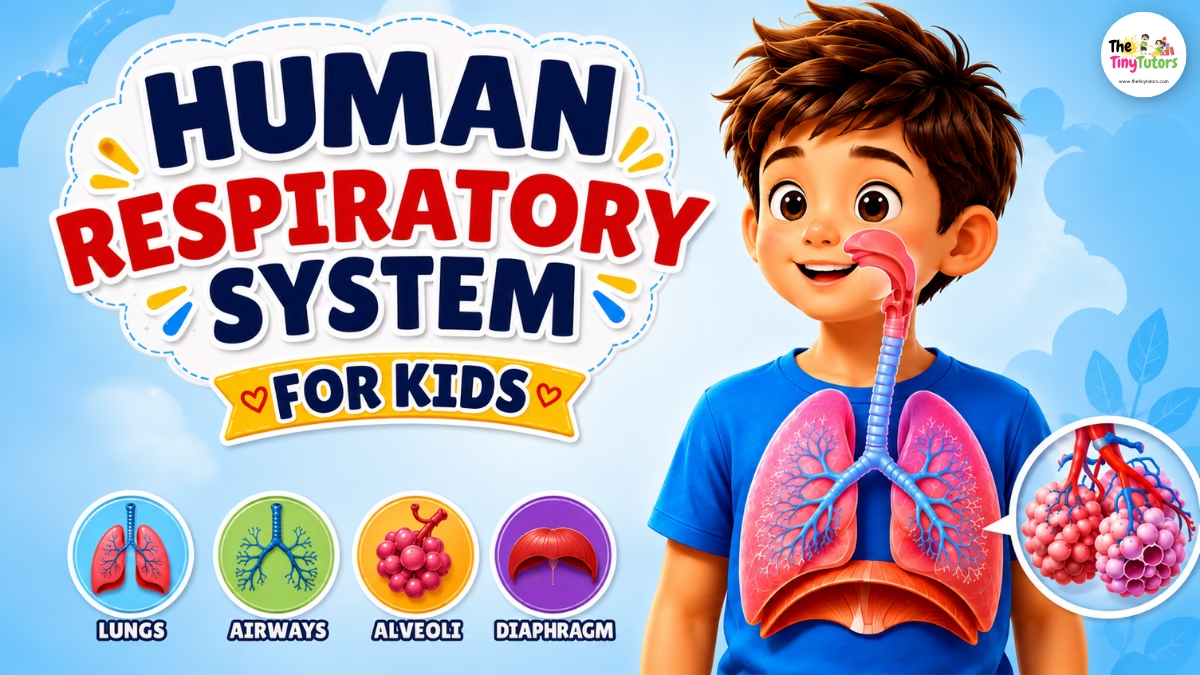
The human respiratory system for kids is the group of organs and airways that helps us breathe. It brings oxygen into the body and removes carbon dioxide when we breathe out.
- What Is the Human Respiratory System?
- How the Respiratory System Works
- Parts of the Human Respiratory System
- Human Respiratory System Diagram
- What Happens When We Breathe In and Out?
- How Does Oxygen Get Into the Blood?
- What Does the Respiratory System Do?
- How to Keep Your Respiratory System Healthy
- Fun Facts About the Respiratory System
- Respiratory System Activity for Kids
- Respiratory System Quiz for Kids
- Frequently Asked Questions
- Keep Learning
In this lesson, kids will learn how air travels through the body, how oxygen gets into the blood, what happens when we breathe in and out, and how to keep our lungs healthy.
What You’ll Learn:
By the end of this lesson, kids will be able to:
- name the main parts involved in breathing
- trace the path of air through the respiratory system
- explain inhalation and exhalation in simple words
- understand how oxygen and carbon dioxide are exchanged
What Is the Human Respiratory System?
The Human Respiratory System for Kids can be understood as the body system that helps us breathe. It includes the airways, lungs, and breathing muscles that work together to bring oxygen into the body and remove carbon dioxide. 🌬️
Why do we breathe? Our cells need oxygen to help release energy from food. When cells use oxygen, they produce carbon dioxide as a waste gas. Breathing brings fresh oxygen in and carries carbon dioxide out. This simple idea is the key to understanding the whole system.
How the Respiratory System Works
When you breathe in, air travels through a series of airways until it reaches your lungs. Each part of this pathway helps move the air toward the tiny air sacs where gas exchange takes place.
Follow the Air
Nose → Pharynx → Larynx → Trachea → Bronchi → Bronchioles → Alveoli
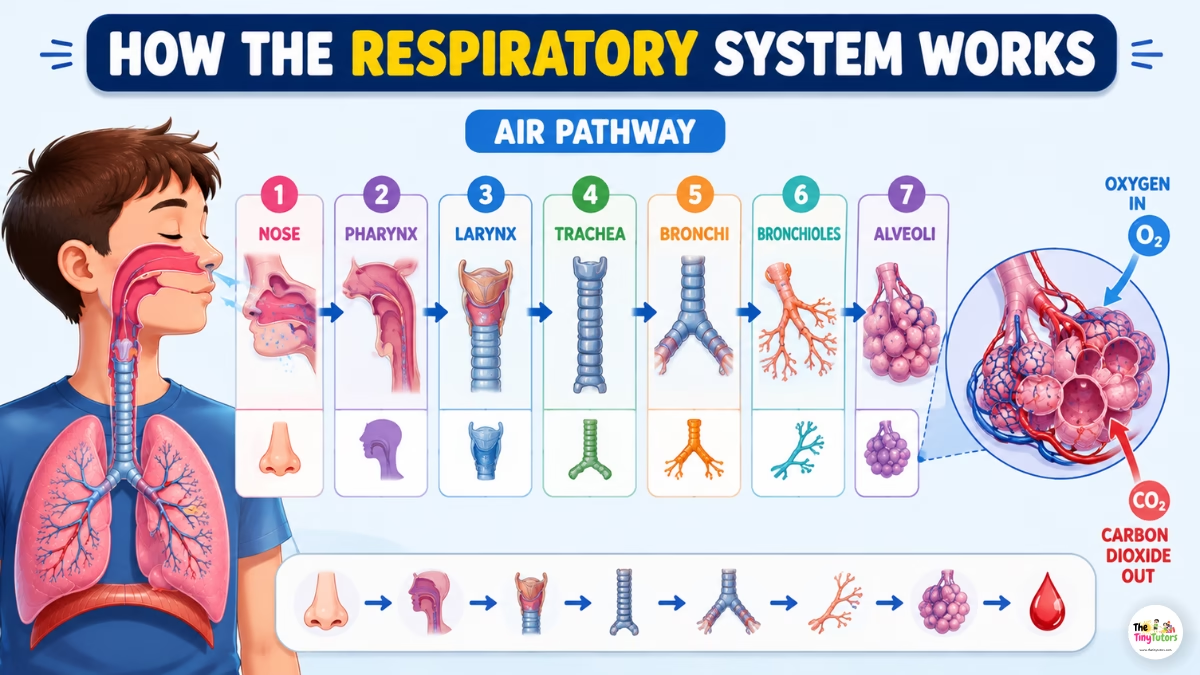
Here is the journey in simple steps:
- Nose: Air enters through the nose, where it is filtered, warmed, and moistened.
- Pharynx: Air passes through the throat, or pharynx, on its way to the lower airways.
- Larynx: Air moves through the larynx, which connects the pharynx to the trachea.
- Trachea: The trachea, also called the windpipe, carries air toward the lungs.
- Bronchi: The trachea divides into two main tubes called bronchi, with one leading to each lung.
- Bronchioles: The bronchi branch into many smaller tubes called bronchioles that carry air deeper into the lungs.
- Alveoli: The bronchioles end near tiny air sacs called alveoli. Here, oxygen moves from the air into the blood, while carbon dioxide moves from the blood into the alveoli to be breathed out.
A Simple Way to Picture It
Think of the airways like a branching road system. The trachea is like the main road, the bronchi are larger roads leading to each lung, and the bronchioles are smaller roads that carry air toward the alveoli.
Quick Learning Note
Air goes in: Nose → Airways → Lungs → Alveoli → Oxygen enters the blood
For a more detailed explanation of how the lungs, airways, alveoli, and gas exchange work, see the National Heart, Lung, and Blood Institute’s How the Lungs Work resource.
Parts of the Human Respiratory System
The main parts of the respiratory system work together to move air through the body and support gas exchange.
Learning them in groups helps children understand the job of each structure instead of memorizing a long list.
| Part | What it does |
|---|---|
| Nose & nasal cavity | Let air enter and help warm, moisten, and filter it |
| Pharynx & larynx | Guide air toward the trachea; the larynx also contains vocal cords |
| Trachea | Windpipe carrying air toward the bronchi |
| Bronchi & bronchioles | Branching airways carrying air into the lungs |
| Lungs & alveoli | Lungs contain tiny sacs where gas exchange occurs |
| Diaphragm | Main muscle that helps move air |
Nose and Nasal Cavity
The nose is usually the first place where air enters the respiratory system. Tiny hairs and mucus can help trap some dust and particles,
while the nasal passages warm and moisten the air before it travels deeper into the airways. 👃
Pharynx and Larynx
The pharynx is the throat area that serves as a passage for air. The larynx, also called the voice box, sits below it and contains the vocal cords that help us make sounds. Air then continues toward the trachea.
Trachea
In the Human Respiratory System for Kids, the trachea is the windpipe carrying air toward the bronchi.
Bronchi and Bronchioles
The trachea divides into two main bronchi, with one leading toward each lung. Inside the lungs, these airways branch into much smaller tubes called bronchioles, which carry air toward the alveoli. 🌳
Lungs and Alveoli
The lungs are the main organs where air reaches the tiny alveoli. These small air sacs are surrounded by capillaries, allowing oxygen to move into the blood while carbon dioxide moves from the blood into the alveoli.
The lungs are also protected by the rib cage, which forms part of the human skeleton. Children can learn more about how bones support and protect the body in our Human Skeleton for Kids guide.
Diaphragm
The diaphragm is a dome-shaped muscle below the lungs that helps move air in and out.
Human Respiratory System Diagram
A clear human respiratory system for kids diagram helps children see how the main parts connect and how air travels through the body. Instead of memorizing a long list, children can follow the arrows from the nose to the tiny air sacs inside the lungs.
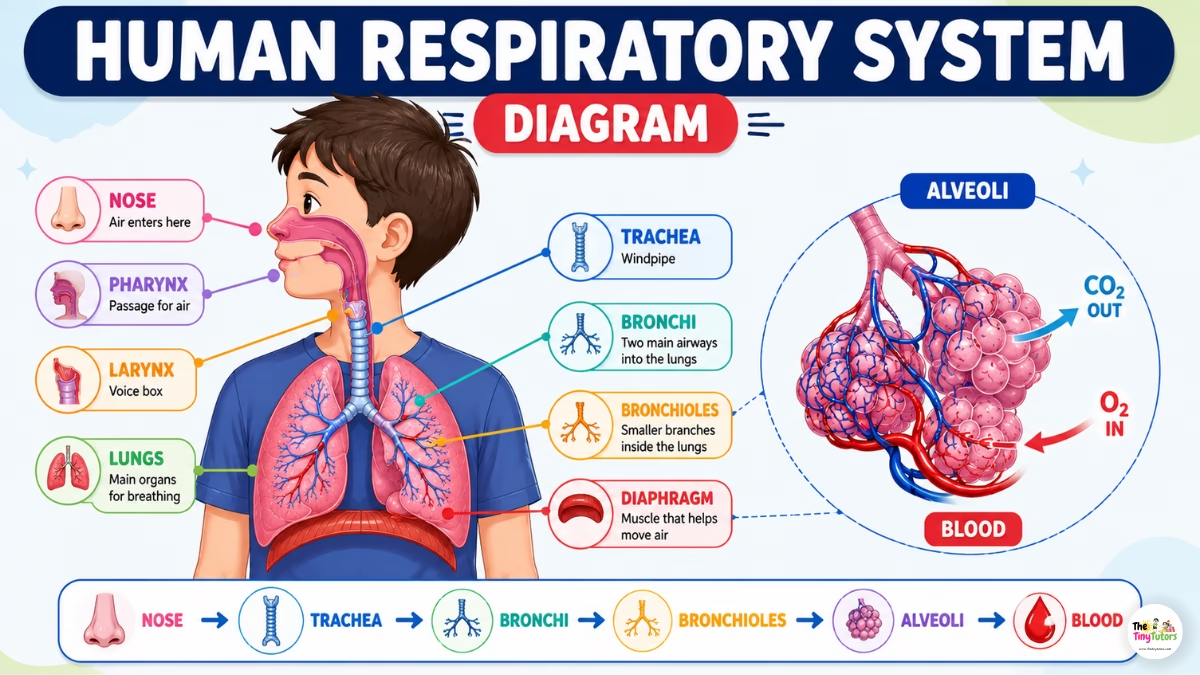
For younger learners, use a simple diagram with large labels for the nose, trachea, bronchi, lungs, bronchioles, alveoli, and diaphragm.
Older children can use a more detailed labeled version to explore how the smaller airways connect to the alveoli.
The diagram can also help children connect the lungs with the chest bones that protect them. To explore those bones in more detail, see our Bones of the Body for Kids guide.
At the alveoli, oxygen enters the blood while carbon dioxide moves into the air sacs to be breathed out.
💡 Learning Tip: Ask children to trace the pathway with their finger and explain what happens at each step. This turns the diagram into a simple science activity rather than something they only have to memorize.
What Happens When We Breathe In and Out?
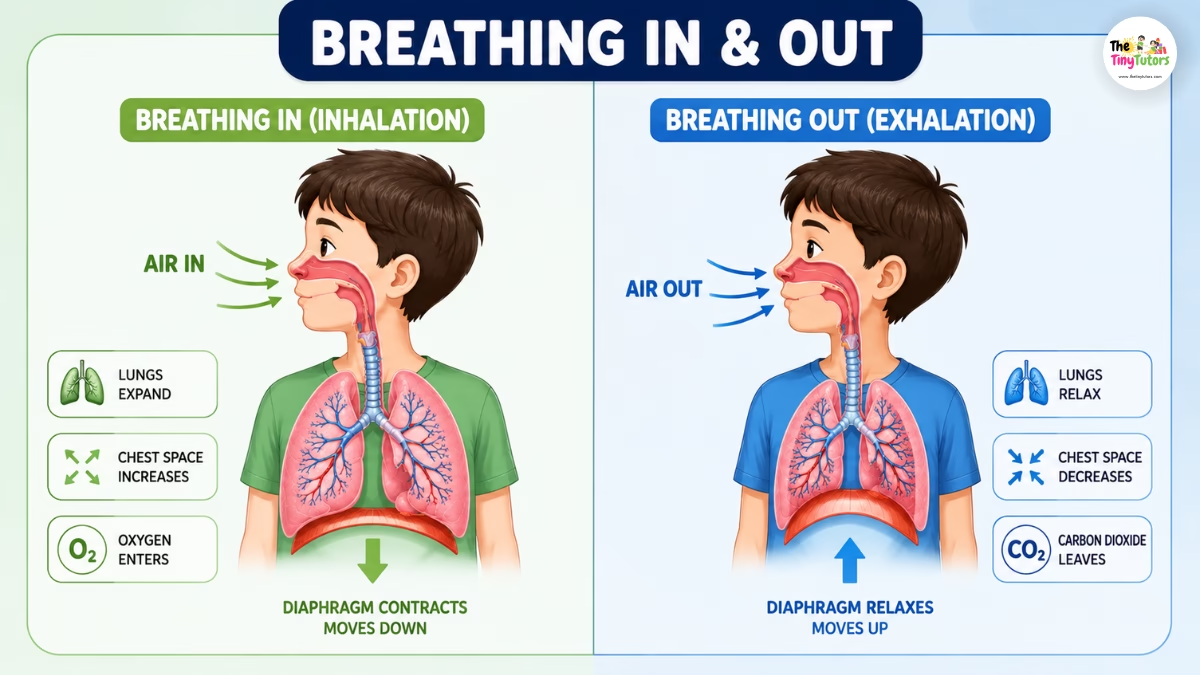
The Human Respiratory System for Kids is easier to remember by comparing inhalation and exhalation.
Breathing In — Inhalation
When you inhale, the diaphragm contracts and moves downward. This gives the lungs more room to expand, so air moves in. Oxygen-rich air travels through the airways toward the alveoli.
Breathing Out — Exhalation
As you breathe out, the diaphragm relaxes and rises, helping the air move back out of the lungs. The space in the chest becomes smaller, helping air move out. Carbon dioxide-rich air leaves the lungs and the body.
| Inhalation | Exhalation |
|---|---|
| Air moves in | Air moves out |
| Diaphragm contracts and moves down | Diaphragm relaxes |
| Fresh oxygen enters | Carbon dioxide leaves |
The diaphragm is a muscle, so children can connect breathing with what they learn about the muscular system in our Muscular System Fun Facts for Kids guide.
How Does Oxygen Get Into the Blood?
When inhaled air reaches the alveoli, oxygen moves through their very thin walls into nearby capillaries, which are tiny blood vessels. At the same time, carbon dioxide moves from the blood into the alveoli and is removed when you breathe out.
This process is called gas exchange.
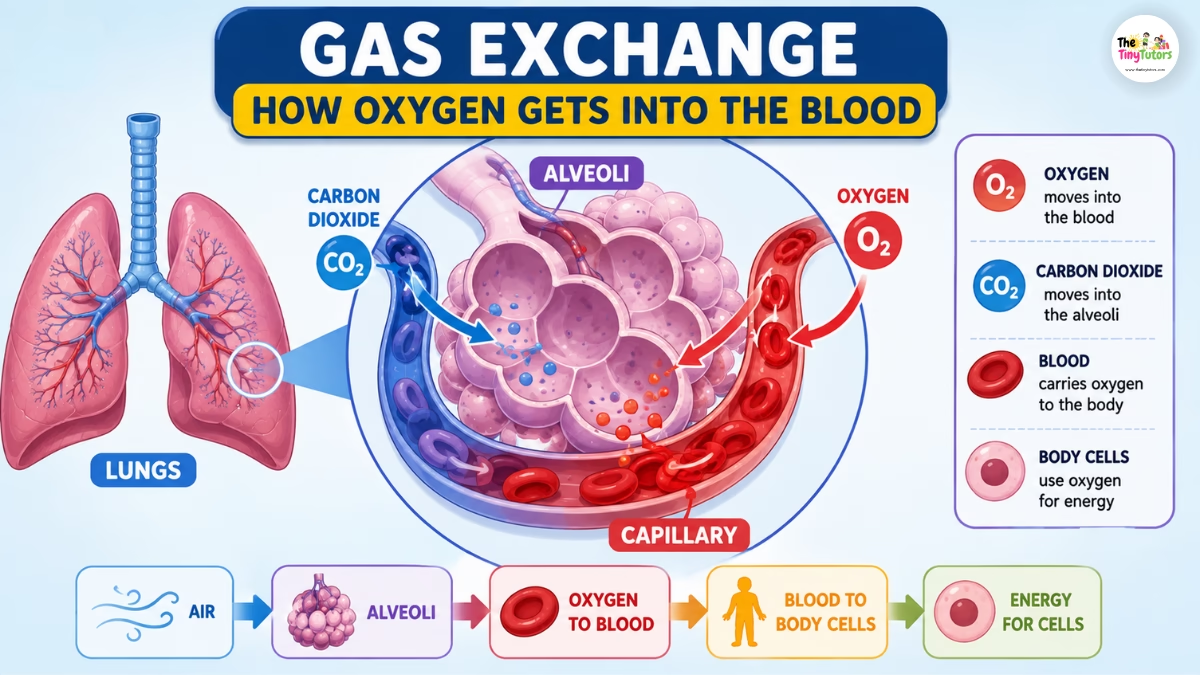
Remember:
Air → Alveoli → Oxygen → Blood → Body Cells
Body Cells → Carbon Dioxide → Blood → Alveoli → Outside
🫁 In simple words: The alveoli act like tiny exchange stations. Oxygen is picked up by the blood, while carbon dioxide is dropped off so your body can breathe it out.
What Does the Respiratory System Do?
The main job of the respiratory system is gas exchange: bringing oxygen into the body and removing carbon dioxide.
The lungs add oxygen to the blood, which carries it to body cells. At the same time, carbon dioxide produced by the cells travels back to the lungs and leaves the body when you breathe out.
The respiratory system supports everyday activities such as running, talking, playing, learning, and sleeping. 🫁
In Simple Words
Oxygen comes in → Blood carries oxygen to cells → Carbon dioxide comes back → You breathe it out
How to Keep Your Respiratory System Healthy
Children can support healthy lungs through simple habits. This Human Respiratory System for Kids section is basic health education, not diagnosis or treatment.
- Stay active through play or sports. 🏃
- Avoid tobacco smoke and secondhand smoke.
- Follow local health guidance when air pollution is high.
- Wash your hands regularly.
For serious or ongoing breathing problems, a parent or caregiver should seek qualified medical advice.
Fun Facts About the Respiratory System
These Human Respiratory System for Kids facts add memorable details:
- 🫁 Your lungs keep working while you sleep.
- 👃 Your nose helps warm and moisten incoming air.
- 🫧 Alveoli are tiny air sacs where gas exchange takes place.
- 💪 The diaphragm is the main muscle used for breathing.
- 🌳 Bronchi and bronchioles form a branching airway network.
- 🎤 The larynx contains vocal cords that help you make sounds.
Respiratory System Activity for Kids
Turn the Human Respiratory System for Kids lesson into a mini science challenge! 🎯
Trace the Air Path
Write nose, trachea, bronchi, lungs, bronchioles, alveoli on cards. Mix them up and put them in order.
Answer:
Nose → Trachea → Bronchi → Lungs → Bronchioles → Alveoli
Label the Respiratory System
Give children a blank body outline and word bank. Ask them to label the nose, trachea, bronchi, lungs, alveoli, and diaphragm.
This turns a respiratory system diagram for kids into an active recall game.
Respiratory System Quiz for Kids
Ready to test your Human Respiratory System for Kids knowledge? 🧠
Questions
1. Which gas does your body need from the air?
A. Oxygen
B. Carbon dioxide
C. Water vapor
Ans: A — Oxygen
2. Which gas does your body remove when you breathe out?
A. Oxygen
B. Carbon dioxide
C. Nitrogen
Ans: B — Carbon dioxide
3. What are the tiny air sacs inside the lungs called?
A. Bronchi
B. Alveoli
C. Trachea
Ans: B — Alveoli
4. Which muscle helps your lungs move air in and out?
A. Diaphragm
B. Larynx
C. Bronchi
Ans: A — Diaphragm
5. What is gas exchange?
A. Moving air through the nose
B. Swapping oxygen and carbon dioxide between the alveoli and blood
C. Moving the diaphragm up and down
Ans: B — Swapping oxygen and carbon dioxide between the alveoli and blood
6. Where does oxygen move into the blood?
A. In the nose
B. In the trachea
C. Across the alveoli into nearby capillaries
Ans: C — Across the alveoli into nearby capillaries
Frequently Asked Questions
Q1: Why do we breathe faster when we run or exercise?
When you run or exercise, your muscles need more oxygen to make energy. Your body responds by making you breathe faster so more oxygen can reach your blood and muscles.
Q2: Why is breathing through your nose important?
Your nose helps filter dust and other tiny particles from the air. It also warms and moistens the air before it travels deeper into your respiratory passages.
Q3: Why do we cough?
Coughing is one way your body helps protect the airways. It can help push out mucus, dust, or other things that irritate the breathing passages.
Q4: Why do we sneeze?
A sneeze is a protective reflex that helps clear irritants from the nose, such as dust or pollen. It is one of the ways your body keeps the airways cleaner.
Q5: Why does your chest move when you breathe?
Your chest moves because the lungs and breathing muscles change the space inside your chest as you breathe. This helps air move into and out of the lungs.
Q6: Can you breathe through your nose and mouth?
Yes. Air can enter through both the nose and mouth. However, the nose helps filter, warm, and moisten incoming air, so breathing through the nose is useful when possible.
Keep Learning
Once children understand the Human Respiratory System for Kids, they can connect it with other human-body topics. they can explore other parts of the human body and see how different body systems work together.
Explore next:
- Human Body Parts for Kids — Discover different body parts and learn what each one does.
🌟 Quick recap: The respiratory system brings oxygen into the body, removes carbon dioxide, and works with the breathing muscles to make every breath possible.